Leave Your Message
Discover our top-tier gear reducers specifically engineered for the harsh, continuous-duty environments of wastewater treatment plants and ecological remediation systems.
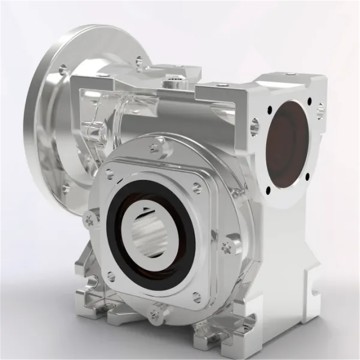
The intersection of rapid industrialization and stringent environmental regulations has catalyzed a massive transformation in the global wastewater treatment sector. As municipalities and private industries strive to meet the compliance standards set by the EPA, the EU Water Framework Directive, and international environmental protection agencies, the demand for highly reliable, energy-efficient mechanical infrastructure has skyrocketed. At the very heart of this mechanical ecosystem lies the Worm Gear Reducer.
In the current industrial landscape, wastewater treatment facilities are transitioning from outdated, energy-intensive operations to smart, automated, and continuous-duty plants. The global market for water and wastewater treatment equipment is experiencing a robust Compound Annual Growth Rate (CAGR), driven heavily by the need to retrofit aging infrastructure. Within this niche, the transmission components—specifically gearboxes and reducers—represent a critical investment. A failure in a clarifier drive or an aeration rotor gearbox can lead to catastrophic biological die-offs in treatment tanks, resulting in massive regulatory fines and ecological damage. Consequently, industrial procurement has shifted its focus from mere capital expenditure (CAPEX) to Total Cost of Ownership (TCO), prioritizing worm gear reducers that offer superior self-locking capabilities, exceptional torque density, and unparalleled resistance to highly corrosive hydrogen sulfide (H2S) environments.
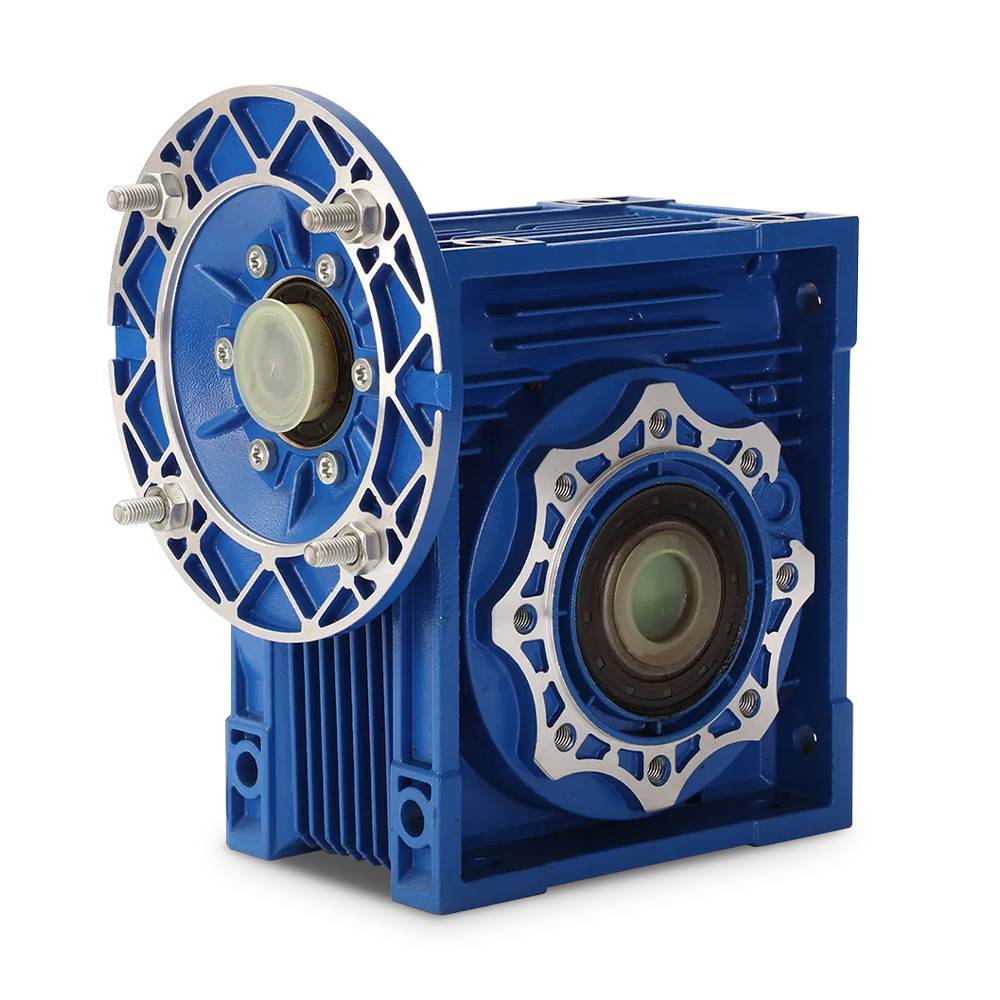
Worm gear reducers are not merely generic power transmission tools; they are highly specialized components engineered to conquer the unique physical and chemical challenges of environmental systems. Let us dissect their profound integration into key wastewater treatment processes:
1. Primary and Secondary Clarifiers (Scraper Drives): Clarifiers require massive rotating scraper bridges to slowly move settled sludge to a central hopper. The operational speed is incredibly low (often fractions of an RPM), yet the torque requirements are immense due to the sheer mass of the sludge and the span of the bridge. Worm gear reducers are the undisputed champions here. Their inherent high-reduction ratios achievable in a single stage, combined with their self-locking characteristics, prevent back-driving when the motor is powered down. This ensures that the heavy sludge does not force the scraper backwards, protecting the entire mechanical drivetrain.
2. Aeration Systems and Surface Rotors: The biological treatment phase relies on aeration to sustain microbial life that consumes organic waste. Surface aerators and brush rotors operate continuously under severe shock loads as blades strike the water surface. Gearboxes in this zone are constantly exposed to splashing, high humidity, and corrosive aerosols. Modern worm gear reducers designed for this scene utilize advanced IP68 sealing technologies, Viton oil seals, and specialized marine-grade epoxy coatings to prevent water ingress and oil emulsification, ensuring continuous oxygen transfer.
3. Sludge Dewatering and Screw Presses: Once treated, residual sludge must be dewatered before disposal. Screw presses and progressive cavity pumps rely on worm gearboxes to provide the relentless, steady torque required to squeeze water from thick, viscous biological matter. The smooth, quiet operation of the sliding gear mesh in a worm drive minimizes vibration, which is crucial for maintaining the structural integrity of the delicate filtration membranes and screens used in modern dewatering equipment.
4. Chemical Dosing and Flocculation Agitators: Precise chemical dosing (adding coagulants, polymers, or pH balancers) requires metering pumps driven by highly accurate gear motors. In flocculation tanks, gentle mixing is required to encourage particles to clump together without breaking the fragile flocs. Worm gear reducers provide the exact low-speed, high-stability output needed. Furthermore, stainless steel variants (like the SSRV series) are deployed here to combat the highly aggressive nature of concentrated treatment chemicals like ferric chloride or sodium hypochlorite.
The era of "run-to-failure" maintenance in environmental systems is officially over. The most significant trend in the power transmission industry is the evolution of the Smart Worm Gear Reducer. By embedding AI-driven IoT sensors directly into the gearbox housing, plant operators can now monitor real-time data regarding oil temperature, vibration frequencies, acoustic emissions, and load variations. AI algorithms analyze this data to predict bearing wear or gear fatigue weeks before a physical failure occurs. This predictive maintenance model drastically reduces unplanned downtime, ensuring that critical environmental systems remain online 24/7/365.
Wastewater environments are notoriously caustic. Traditional cast-iron housings are increasingly being replaced or augmented. We are witnessing a surge in the use of high-grade stainless steel housings (such as 304 and 316L) and advanced surface treatments like nitrocarburizing and proprietary polymer coatings. Additionally, advancements in tribology (the science of friction and lubrication) have led to the development of specialized synthetic polyglycol (PG) lubricants. These lubricants drastically reduce the sliding friction inherent in worm gear meshes, thereby lowering the operating temperature, increasing the mechanical efficiency by up to 15%, and extending the oil change intervals from 4,000 hours to over 15,000 hours—a massive benefit for hard-to-reach installations over aeration basins.
Environmental systems must themselves be environmentally friendly. Historically, standard worm gears were critiqued for lower efficiency at high reduction ratios. However, the latest generation of engineered worm gear reducers utilizes optimized gear tooth geometry, precision CNC grinding, and hybrid helical-worm configurations to maximize kinetic transfer. By pairing these high-efficiency reducers with IE4 and IE5 ultra-premium efficiency motors, wastewater plants are significantly reducing their megawatt-hour consumption, aligning with global net-zero carbon emission targets.
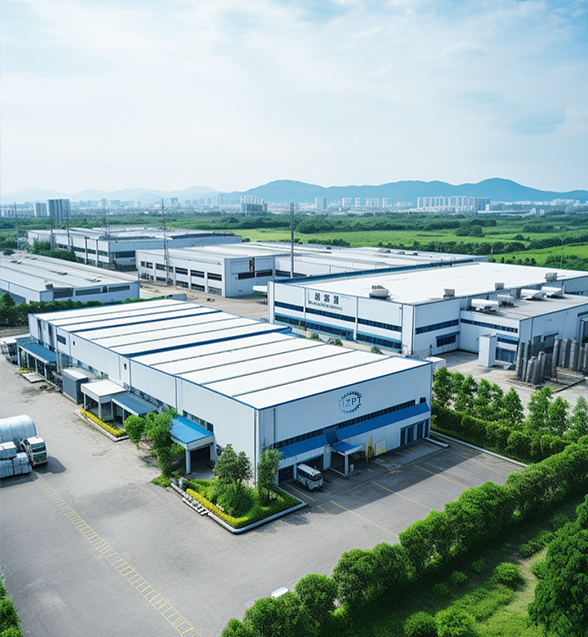
HANGZHOU EVER-POWER TRANSMISSION CO., LTD. (HZPT) is a leading manufacturer and global supplier of high-performance gearboxes, specializing in the design, development, and production of industrial, environmental, and agricultural transmission systems. With over 15 years of experience in the power transmission industry, HZPT has grown into a modern enterprise integrating R&D, manufacturing, sales, and service, serving customers in more than 60 countries across Asia, Europe, North America, and Africa.
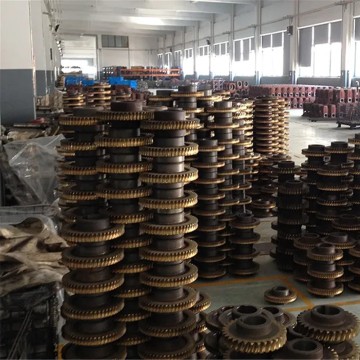
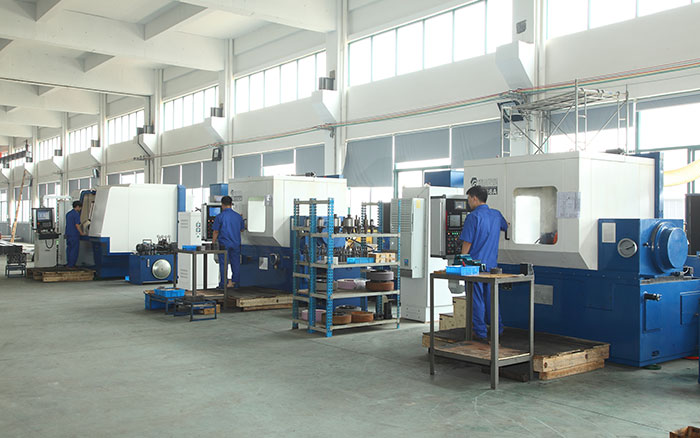
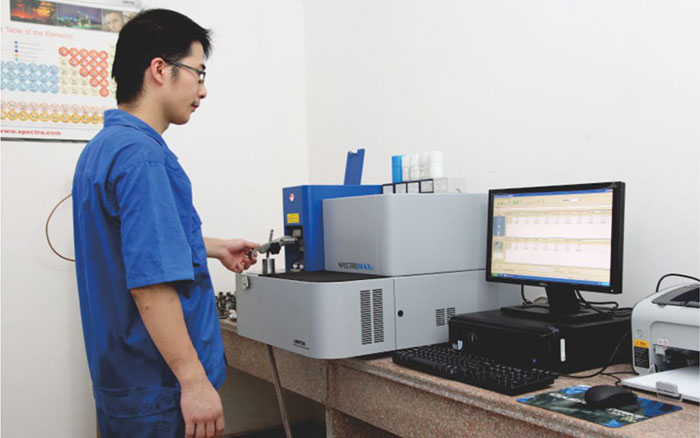
Our manufacturing base spans over 80,000 square meters, equipped with advanced CNC machining centers, precision gear grinding machines, automated assembly lines, and state-of-the-art testing facilities. We operate a fully integrated production system that ensures consistent quality from raw material sourcing to final product delivery, perfectly tailored for the rigorous demands of wastewater treatment facilities.
R&D Department: Our engineering team, led by veterans with over 15+ years of industry experience, is the core of our innovation. We maintain active "Industry-University-Research" collaborations with leading institutions to pioneer advancements in gear geometry, materials science, and tribology for environmental applications.
Skilled Workforce: Our production floor is staffed by highly trained and experienced technicians, with over 30% holding advanced technical certifications. Their craftsmanship and attention to detail are embedded in every product we build.
Management: Our leadership team brings international expertise and modern management practices, steering the company with a clear vision for sustainable growth and technological leadership.
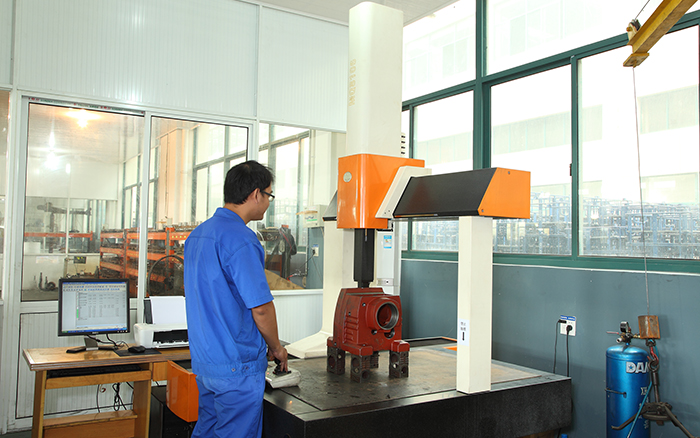
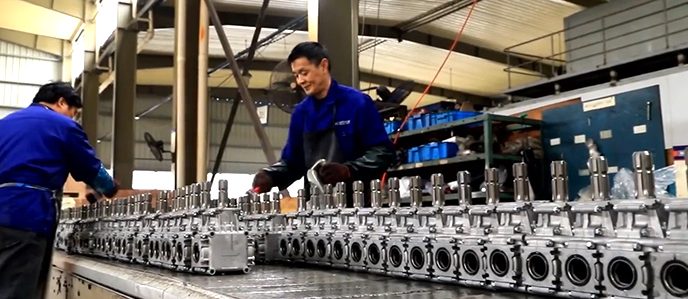
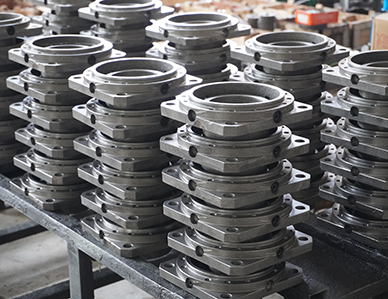
Our commitment to quality and innovation in environmental transmission solutions is validated by third-party accreditations and extensive intellectual property.
We proudly hold 30+ national patents, including 5 invention patents. These cover key areas critical to wastewater management, such as "Modular Housing Design," "High-Efficiency Helical-Herringbone Gear Profiles," "Integrated Cooling Systems," and "Proprietary Surface Treatment Processes."



Explore our full range of precision reducers, engineered to drive the future of sustainable water treatment, wind energy, and ecological automation.