Leave Your Message
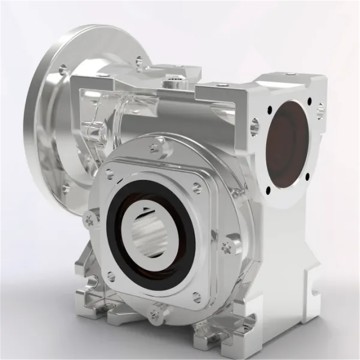
In the demanding realm of heavy material handling, the Worm Gear Reducer For Cranes, Hoists, And Lifting Equipment stands as a paramount component. Unlike standard gear trains, a worm gear setup consists of a worm (which resembles a screw) meshing with a worm wheel (similar to a spur gear). This unique perpendicular configuration offers an exceptionally high reduction ratio within a remarkably compact footprint, making it the ideal choice for spatial constraints often found in hoist drums and crane bridges.
The most critical advantage of utilizing a worm gear reducer in lifting applications is its inherent self-locking capability. In hoisting operations, safety is non-negotiable. When the motor stops, the friction angle between the worm threads and the wheel teeth prevents the load from back-driving the mechanism. This means that in the event of a power failure or motor malfunction, the load remains suspended securely without plummeting. While modern cranes employ secondary electromechanical brakes for absolute compliance with OSHA and ISO standards, the kinematic self-locking nature of the worm gear acts as an indispensable primary fail-safe.
Furthermore, these reducers offer unparalleled shock load absorption. When a multi-ton load is suddenly hoisted from the ground, the mechanical drivetrain experiences severe dynamic shocks. The sliding contact action of the worm gear, combined with advanced metallurgy such as hardened steel worms and centrifugally cast bronze wheels, ensures smooth power transmission, drastically reducing vibration and noise during operation.
From towering construction sites to bustling international ports, worm gear reducers are the silent powerhouses driving the world's most critical lifting operations.
In industrial manufacturing facilities, overhead bridge cranes rely heavily on precision gearboxes. Worm gear reducers are predominantly utilized in the cross-travel (trolley) and long-travel (bridge) mechanisms. These applications require smooth acceleration and deceleration to prevent load sway. The high torque output at low speeds provided by the worm reducer ensures that heavy steel coils, automotive dies, or aerospace components are moved with millimeter-level precision. In outdoor gantry cranes exposed to harsh weather, specialized sealed worm gearboxes prevent moisture ingress, ensuring uninterrupted logistics.
The heart of any electric hoist is its lifting mechanism. Here, the worm gear reducer is directly coupled to the hoist drum. Because hoists must be compact to maximize the lifting height (headroom) within a building, the 90-degree shaft arrangement of the worm gearbox allows the motor to be mounted parallel to the drum, saving crucial space. High-efficiency synthetic lubricants are often employed in these specific reducers to manage the thermal output generated by the sliding friction during high-frequency lifting cycles.
Marine and offshore environments present the ultimate test for lifting equipment. Winches used on ship decks or oil rigs utilize heavy-duty, corrosion-resistant worm gear reducers (such as our SSRV Stainless Steel Series). These gearboxes must withstand corrosive saltwater spray, extreme temperature fluctuations, and massive dynamic loads from wave action. The self-locking feature is vital here, preventing uncontrolled unwinding of the winch cable under immense tension.
The global market for cranes and hoists is experiencing robust growth, driven by rapid urbanization, infrastructure development, and the expansion of automated warehouses. However, the industry is facing stringent regulatory pressures regarding workplace safety and energy consumption. Traditional gearboxes are being phased out in favor of high-efficiency, modernized worm gear reducers that utilize optimized tooth profiles (such as the ZI, ZA, or ZK profiles) which significantly reduce sliding friction, thereby increasing the overall mechanical efficiency from the traditional 60% up to 85% or higher in specific configurations.
Additionally, modularity has become a major industry standard. Original Equipment Manufacturers (OEMs) of lifting equipment demand gearboxes that can be easily customized with various input flanges, output shafts, and torque arms to fit diverse hoist designs without the need for complete re-engineering.
Our journey is one of continuous evolution and strategic expansion in the power transmission sector.
Established in 2002, we began with a clear mission: to produce gearboxes of unmatched quality and durability. Our initial focus on standardized models allowed us to build a reputation for reliability and build a solid technical foundation for the lifting and hoisting industry.
Responding to market demands, we significantly expanded our production capabilities and R&D efforts. This period saw the introduction of custom-engineered and application-specific solutions, enabling us to serve more complex industrial needs such as heavy-duty crane mechanisms.
In the era of Industry 4.0, we have embraced smart manufacturing. By integrating advanced digital design tools and automated processes, we now deliver next-generation products that are smarter, more compact, and more energy-efficient, solidifying our position as an industry innovator.
We invest in world-class technology to ensure every product that leaves our facility is built to excel under the heaviest loads.
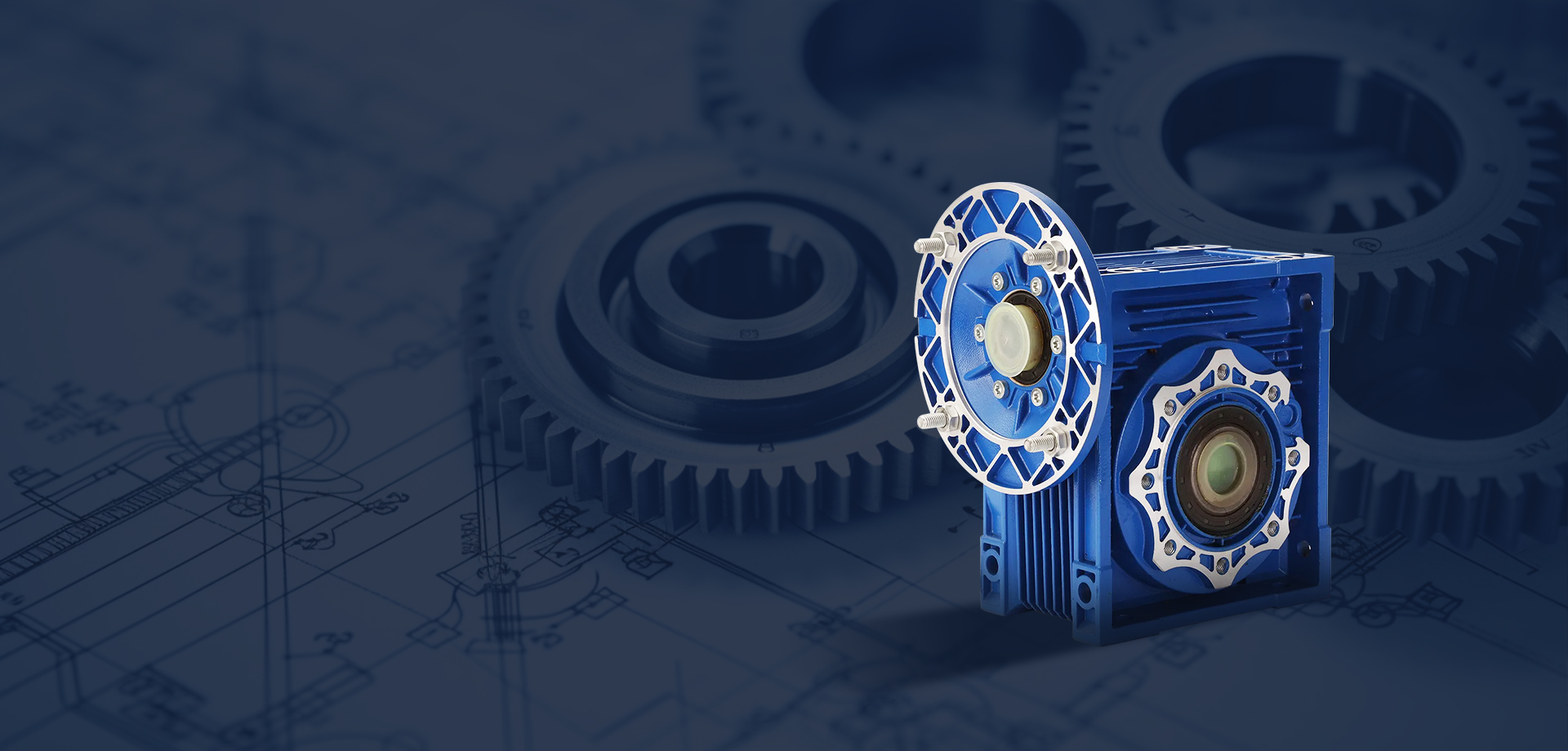
Quality is at the heart of everything we do for the material handling sector.
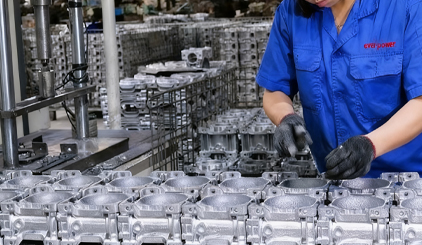

No diversions—just decades of refining worm, helical, planetary, and parallel-shaft gearboxes for industrial lifting applications.
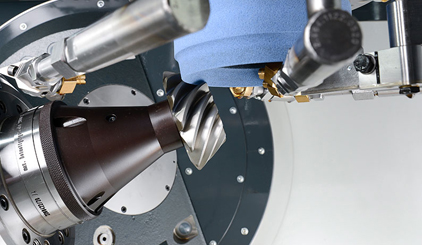

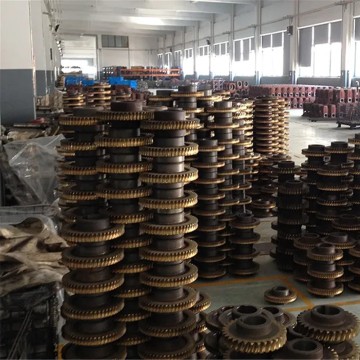
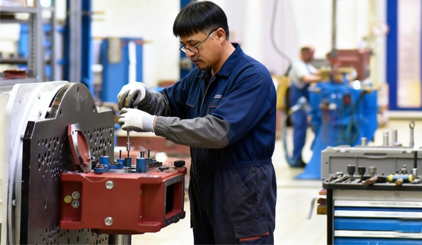
Critical processes like gear grinding, heat treatment, and housing machining are all done under one roof for consistent quality control.
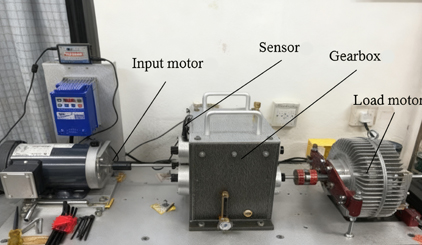

100% factory acceptance testing at rated torque with vibration, temperature, and leakage checks—test reports available on request to guarantee crane safety.

Our engineers provide prompt troubleshooting, installation advice, and maintenance recommendations in English or Chinese—because your uptime matters.