Leave Your Message
In the rapidly evolving landscape of global agriculture, efficiency, durability, and precision are no longer optional—they are imperative. At the very heart of this mechanization revolution lies the Speed Reducer Gearbox for Agricultural Machinery and Equipment. These highly engineered mechanical devices are responsible for transmitting power from high-speed prime movers (such as diesel engines or electric motors) to the working components of farming machinery, simultaneously reducing speed and multiplying torque to meet the exact demands of agricultural tasks.
The agricultural sector presents one of the most demanding operating environments for mechanical components. Gearboxes utilized in this industry must withstand extreme conditions: relentless exposure to dust, mud, high-pressure washdowns, corrosive fertilizers, and extreme temperature fluctuations. Furthermore, agricultural operations are highly seasonal. During harvesting or planting seasons, machinery often operates continuously for 24 hours a day. A gearbox failure during these critical windows can result in catastrophic crop loss and severe financial repercussions. Therefore, the commercial and industrial standards for agricultural speed reducers heavily prioritize unyielding reliability, high load-bearing capacity, and minimal maintenance requirements.
Globally, the commercial status of agricultural gearboxes is experiencing unprecedented growth. As the world population surges toward the 10 billion mark, the demand for food production escalates proportionally. This macro-economic driver forces the agricultural industry to transition from traditional, labor-intensive farming to highly mechanized, precision-based agriculture. Consequently, Original Equipment Manufacturers (OEMs) of tractors, harvesters, and irrigation systems are increasingly partnering with specialized gearbox manufacturers to develop custom, high-efficiency transmission solutions that reduce energy consumption and maximize yield.
The versatility of the speed reducer gearbox allows it to be integrated into a vast array of agricultural machinery. Each application requires a specific type of gear mechanism—be it helical, bevel, worm, or planetary—tailored to handle unique load profiles and spatial constraints.
Tractors are the workhorses of the farm, relying heavily on Power Take-Off (PTO) gearboxes. These reducers transfer power from the tractor's engine to trailed implements like rotary tillers and mowers. In combine harvesters, complex planetary and helical gearboxes control the threshing drums, augers, and cutter bars. They must handle massive shock loads when encountering dense crop volumes or foreign objects in the field, requiring robust housing and high-grade alloy steel gears.
Irrigation systems require continuous, ultra-low-speed movement across rough, muddy terrain. Wheel drive gearboxes (often worm or helical-worm combinations) are used to provide massive torque at fractional RPMs. The industrial challenge here is environmental sealing; these gearboxes must feature advanced multi-lip seals and expansion chambers to prevent water ingress and lubricant contamination during years of outdoor exposure.
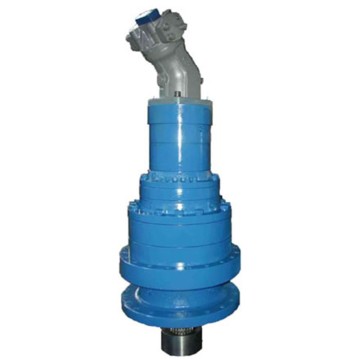
In dairy and livestock farming, vertical and horizontal feed mixers utilize heavy-duty planetary gear reducers to blend tons of silage, grain, and supplements. These gearboxes face incredibly high starting torques, as they must initiate rotation while fully loaded with dense, heavy feed. Superior heat dissipation and heavy-duty thrust bearings are critical design elements to ensure longevity in these applications.
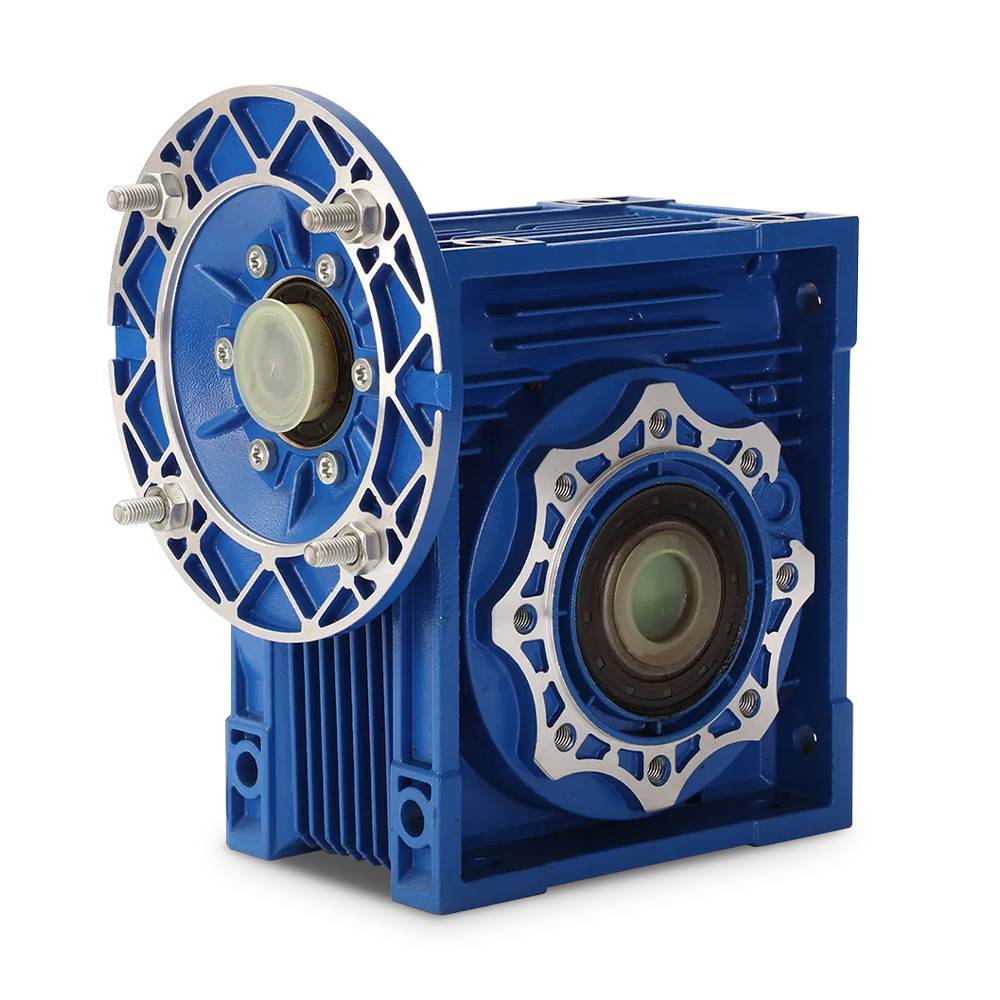
Precision is the defining metric for modern seeding and fertilizing equipment. Gearboxes used in these machines must provide exact, repeatable speeds to ensure uniform distribution of seeds or chemicals. Stainless steel or specially coated gearboxes (like the SSRV series) are frequently employed in fertilizer spreaders to combat the highly corrosive nature of agricultural chemicals, significantly extending the lifespan of the equipment.
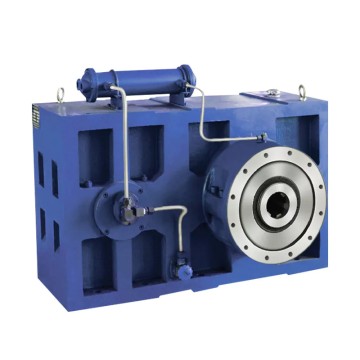
As farms move towards circular economies, agricultural waste is often processed into biofuels or animal bedding. Heavy-duty extruder gearboxes and shredder reducers are utilized to crush and extrude tough fibrous materials. These require extreme torque multiplication and rugged internal architectures to handle continuous, punishing vibrations.
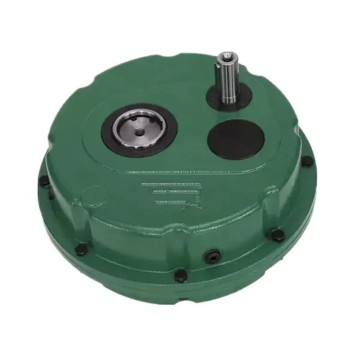
Moving harvested crops into silos requires massive bucket elevators and belt conveyors. Shaft-mounted gearboxes (like the DXG/ATA series) are the industry standard here. They offer easy installation directly onto the driven shaft, eliminating the need for complex couplings and base plates, while providing reliable, continuous power transmission for grain logistics.
The agricultural machinery industry is undergoing a paradigm shift, driven by technological advancements and environmental imperatives. The development of speed reducer gearboxes is closely mirroring these macro-trends, transitioning from purely mechanical components to intelligent, highly optimized electro-mechanical systems.
1. Smart Farming and IoT Integration: The most significant trend is the advent of the "Smart Gearbox." As precision agriculture relies heavily on data, modern gearboxes are increasingly being equipped with integrated IoT sensors. These sensors monitor real-time data such as oil temperature, vibration frequencies, and acoustic emissions. By analyzing this data, farmers and fleet managers can implement predictive maintenance strategies, replacing worn bearings or degrading oil before a catastrophic failure occurs in the field. This minimizes downtime during critical harvest windows and significantly reduces total cost of ownership.
2. Eco-Friendly and Energy-Efficient Designs: With rising fuel costs and stricter emission regulations, agricultural machinery must be more energy-efficient. Gearbox manufacturers are focusing on reducing mechanical losses through advanced gear tooth geometry (such as micro-geometry modifications), low-friction bearings, and the use of high-performance synthetic lubricants. These improvements ensure that a higher percentage of the engine's power is delivered to the implement, reducing overall fuel consumption and carbon footprint.
3. Advanced Material Science and Compactness: Modern agricultural equipment is becoming larger and more complex, yet space for power transmission components is often limited. There is a strong industry push towards higher power density—gearboxes that deliver more torque in a smaller, lighter package. This is being achieved through the use of advanced metallurgy, such as vacuum-carburized alloy steels, and innovative housing designs utilizing lightweight cast aluminum or high-strength ductile iron. This weight reduction also helps mitigate soil compaction, a major concern in modern agronomy.
4. Modularization and Customization: To streamline supply chains and reduce manufacturing costs, OEMs are demanding modular gearbox designs. A modular architecture allows a single base gearbox unit to be fitted with various input/output flanges, gear ratios, and mounting configurations. This enables rapid customization for different agricultural machines without the need for entirely new engineering cycles, accelerating time-to-market for new farming equipment.
HANGZHOU EVER-POWER TRANSMISSION CO., LTD. (HZPT) is a leading manufacturer and global supplier of high-performance gearboxes, specializing in the design, development, and production of industrial and agricultural transmission systems. With over 15 years of experience in the power transmission industry, HZPT has grown into a modern enterprise integrating R&D, manufacturing, sales, and service, serving customers in more than 60 countries across Asia, Europe, North America, and Africa.
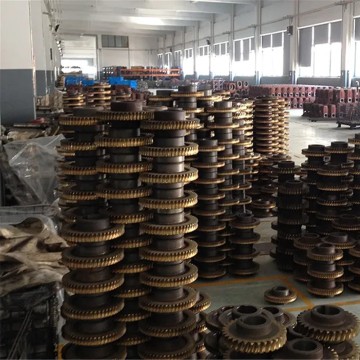
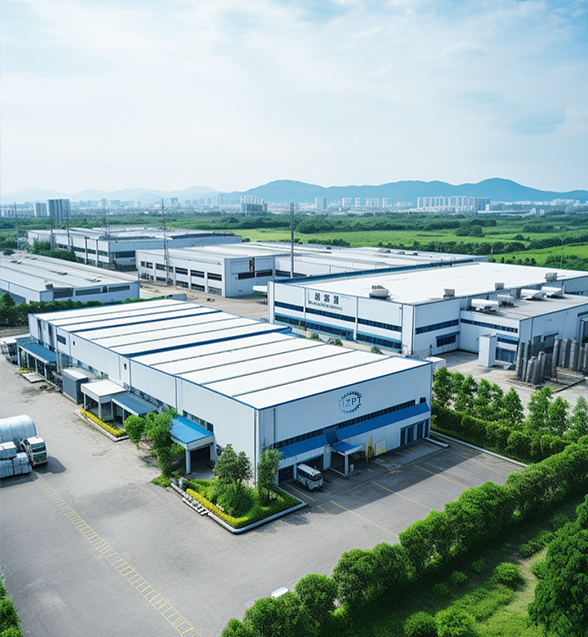
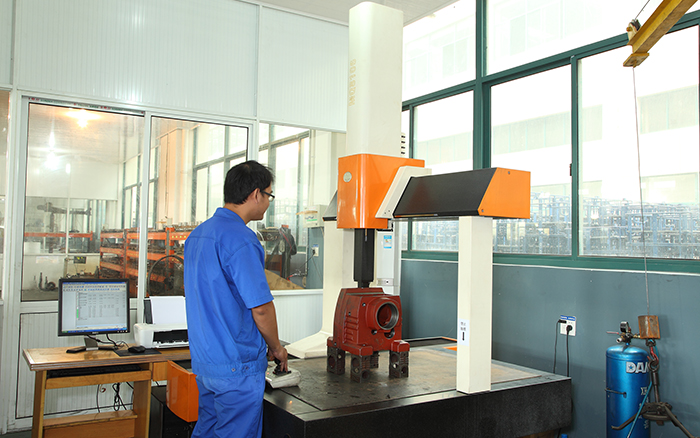
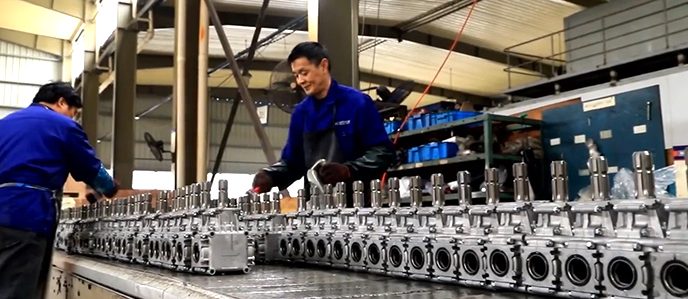
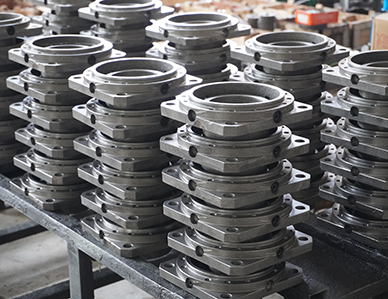
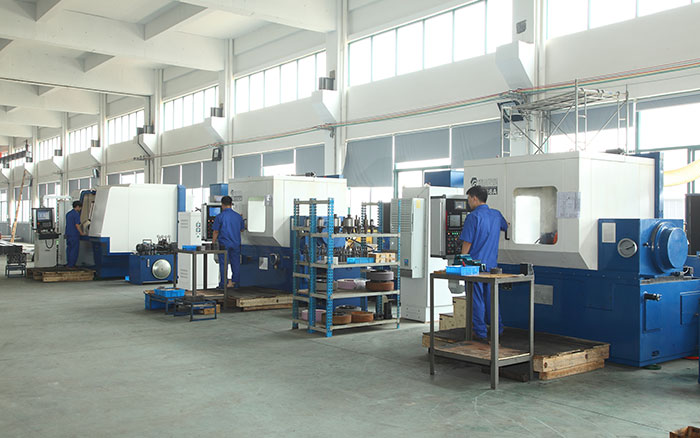
Our manufacturing base spans over 80,000 square meters, equipped with advanced CNC machining centers, precision gear grinding machines, automated assembly lines, and state-of-the-art testing facilities. We operate a fully integrated production system that ensures consistent quality from raw material sourcing to final product delivery.
Our commitment to quality and innovation is validated by third-party accreditations and intellectual property. We hold 30+ national patents, including 5 invention patents. These cover key areas like "Modular Housing Design," "High-Efficiency Helical-Herringbone Gear Profiles," "Integrated Cooling Systems," and "Proprietary Surface Treatment Processes."