Leave Your Message
High-Torque, Precision-Engineered Reducers for Demanding Hoisting Applications
In the realm of heavy industry, construction, and maritime logistics, the safe and efficient movement of massive loads is paramount. At the very heart of these operations lies the Reduction Gearbox for Cranes, Hoists, and Lifting Equipment. These highly engineered transmission systems are not merely components; they are the critical lifelines that ensure precise speed control, massive torque multiplication, and absolute safety during lifting, luffing, slewing, and traveling operations. Unlike standard industrial gearboxes, lifting gearboxes must adhere to stringent international safety standards (such as FEM and ISO), enduring extreme radial and axial loads, frequent start-stop cycles, and harsh environmental conditions.
The engineering behind a hoist gearbox involves a delicate balance of metallurgy, gear geometry, and thermal management. Because a failure in a lifting mechanism can result in catastrophic consequences, these gearboxes are designed with high safety factors, integrated braking systems, and self-locking capabilities (especially in worm gear designs). As industries push the boundaries of load capacities and operational heights, the demand for more robust, compact, and intelligent reduction gearboxes has never been higher.
The global market for crane and hoist gearboxes is experiencing robust growth, driven by rapid urbanization, massive infrastructure projects in emerging economies, and the expansion of global maritime shipping. In the commercial sector, the expansion of mega-ports requires giant Ship-to-Shore (STS) cranes and Rubber-Tired Gantry (RTG) cranes, all of which rely on heavy-duty planetary and helical gearboxes to operate 24/7. Furthermore, the mining and metallurgy industries continuously demand custom-engineered drive solutions capable of handling shock loads in highly abrasive environments.
Currently, the industry is highly competitive, with a strong emphasis on reducing the Total Cost of Ownership (TCO). End-users are no longer just looking for mechanical power; they are demanding high-efficiency systems that reduce power consumption. This has led to a significant shift from traditional worm gearboxes to highly efficient helical-bevel and planetary configurations in high-capacity lifting applications. Manufacturers who can provide compact, high power-density gearboxes with extended maintenance intervals are dominating the market landscape.
Understanding the specific application scenarios is crucial for selecting the right reduction gearbox. Cranes and hoists are complex machines comprising multiple distinct mechanisms, each requiring a specialized gearbox design.
The hoisting mechanism is the core of any lifting equipment, responsible for the vertical lifting and lowering of the payload. Gearboxes used here are typically parallel shaft helical gearboxes or planetary gearboxes integrated directly into the winch drum. They must provide immense torque at low speeds while ensuring smooth acceleration and deceleration. A critical requirement here is the integration with fail-safe braking systems. In the event of a power failure, the gearbox and brake combination must hold the suspended load securely. The gears are often case-hardened and ground to achieve a high contact ratio, minimizing noise and vibration even under maximum load.
Slewing gearboxes enable the upper structure of a crane to rotate 360 degrees. These are usually planetary gearboxes equipped with an output pinion that engages with a large slewing ring bearing. The challenge in slewing applications is overcoming the immense inertia of the crane's jib and counterweight, especially under high wind loads. Slewing gearboxes must offer precise control to position loads accurately and require robust output bearings to withstand extreme overturning moments and radial forces.
Luffing involves raising or lowering the crane's jib to change the working radius. Gearboxes in luffing winches must handle variable load spectrums, as the torque requirement changes drastically depending on the angle of the jib. High-precision gear meshing and low backlash are essential here to prevent load swinging and ensure the stability of the crane structure.
Traveling mechanisms move the entire crane along rails (gantry/bridge travel) or move the hoist along the bridge (trolley travel). These applications typically utilize shaft-mounted helical-bevel gearmotors or compact planetary drives. They require smooth starting characteristics to prevent load sway and are often controlled by Variable Frequency Drives (VFDs) working in tandem with the gearbox to optimize travel speed and positioning.
The future of reduction gearboxes for cranes and hoists is rapidly evolving, heavily influenced by the principles of Industry 4.0 and smart manufacturing.
Selecting the appropriate gearbox for lifting equipment is a highly technical process that goes beyond simple horsepower ratings. Engineers must consider the Duty Cycle (FEM/ISO Classification), which dictates how often and how heavily the crane will be used. A gearbox for a maintenance crane used once a month will differ vastly from one used in a steel mill operating continuously under maximum load.
Other critical factors include the Service Factor, environmental conditions (requiring specific IP ratings, anti-corrosion coatings, or ATEX explosion-proof certifications for offshore or mining use), and the exact calculation of radial and axial loads on the output shaft. Furthermore, low-temperature environments require specialized seals and lubricants to prevent catastrophic brittle fractures, while high-temperature applications demand robust thermal management solutions.

Your Trusted Partner in Precision Gearbox Solutions
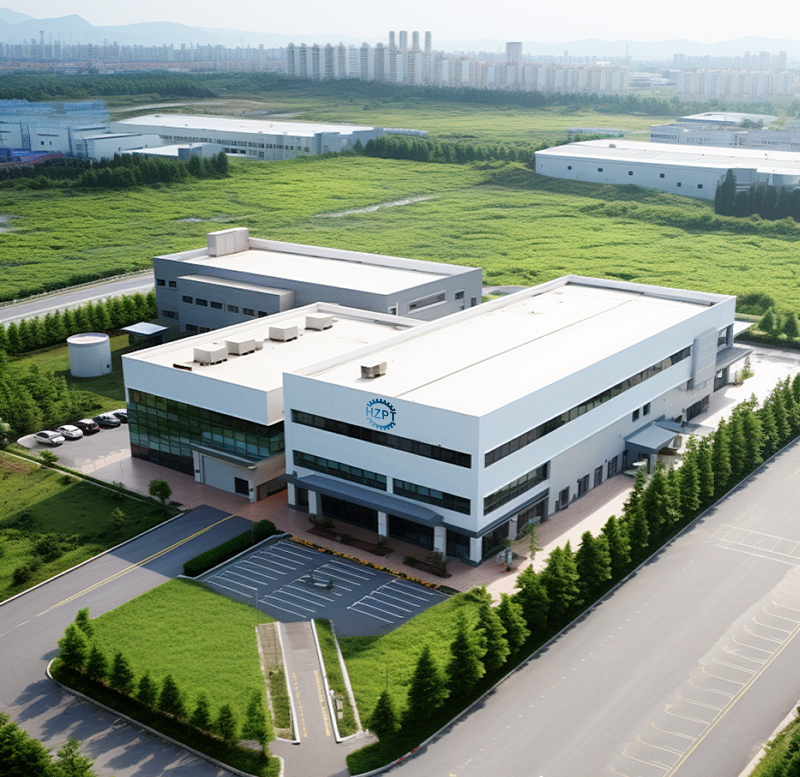
HANGZHOU EVER-POWER TRANSMISSION CO., LTD. (HZPT) is a leading manufacturer and global supplier of high-performance gearboxes, specializing in the design, development, and production of industrial and agricultural transmission systems. With over 15 years of experience in the power transmission industry, HZPT has grown into a modern enterprise integrating R&D, manufacturing, sales, and service, serving customers in more than 60 countries across Asia, Europe, North America, and Africa.
Our manufacturing base spans over 80,000 square meters, equipped with advanced CNC machining centers, precision gear grinding machines, automated assembly lines, and state-of-the-art testing facilities. We operate a fully integrated production system that ensures consistent quality from raw material sourcing to final product delivery.
DISCOVER OUR SUSTAINABILITY PROJECTS
No diversions—just decades of refining helical, planetary, and parallel-shaft gearboxes for industrial applications.
Read more
Planetary gearboxes are at the heart of wind turbine systems, driving yaw and pitch mechanisms that optimize blade angle and nacelle orientation. Built for 20+ years of maintenance-free operation in extreme environments.
Read more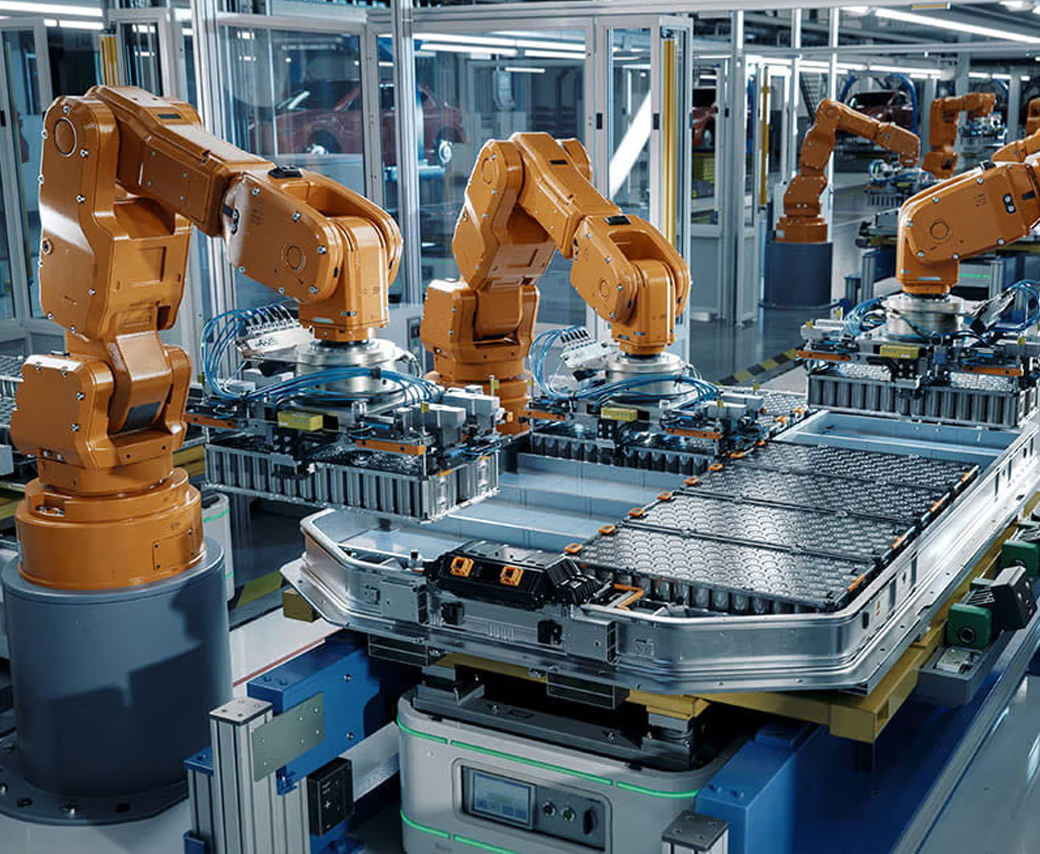
From robotic arms to high-speed CNC lathes and machining centers, our low-backlash planetary gearboxes ensure micron-level positioning accuracy, smooth motion control, and long-term repeatability in automated production lines.
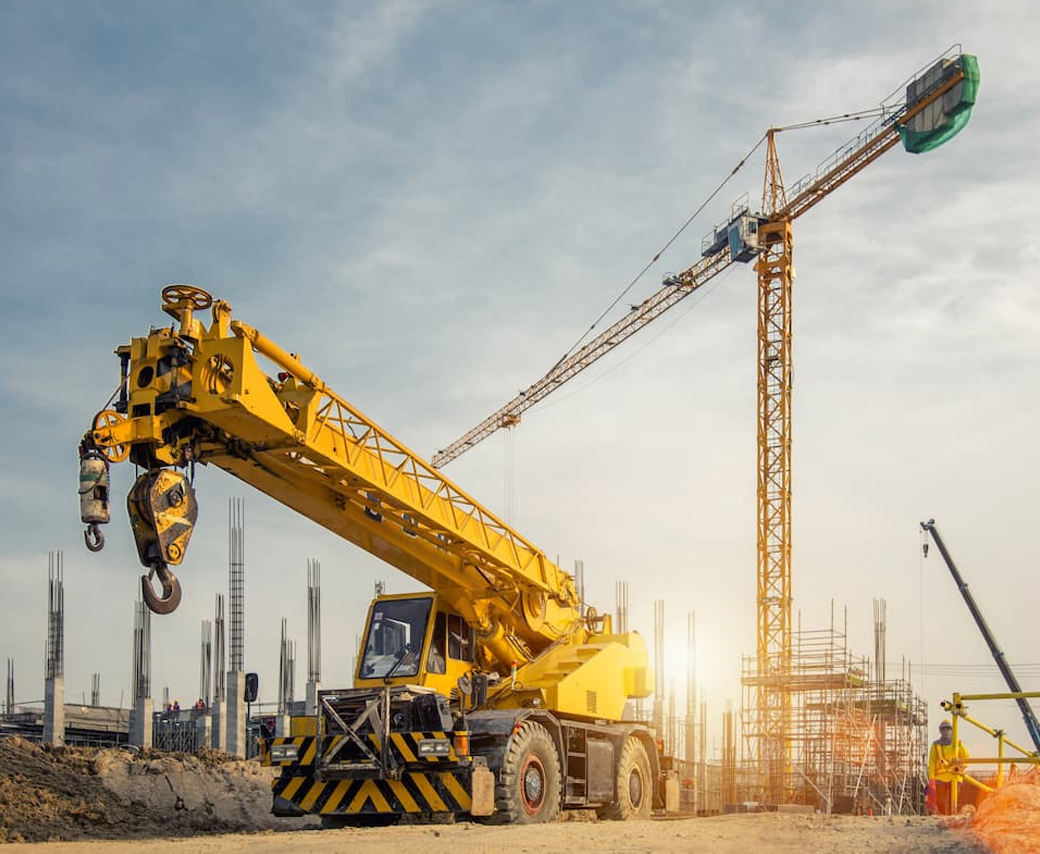
Used in cranes, excavators, concrete mixers, and pile drivers, our rugged helical and planetary gearboxes handle heavy loads, frequent starts/stops, and harsh job-site conditions—ensuring durability where failure is not an option.
Explore our full range of robust transmission systems designed specifically for Cranes, Hoists, and Heavy Duty Lifting.