Leave Your Message
In the global industrial landscape, efficiency, speed, and reliability are the cornerstones of productivity. Conveyor systems and material handling frameworks are the lifelines of modern factories, distribution centers, mines, and agricultural facilities. From moving raw ores in heavy mining operations to sorting micro-packages in ultra-automated e-commerce fulfillment centers, these systems rely on one central element to convert motor power into controlled physical motion: the reduction gearbox.
A reduction gearbox, or speed reducer, is an assembly of gears designed to reduce the high rotational speed of electrical motors while simultaneously multiplying torque. In conveyor applications, high speed is rarely useful without the necessary torque to push massive, continuous loads. By utilizing advanced helical, planetary, and cycloidal gear geometries, modern industrial gearboxes ensure that material handling systems run 24/7 with minimal energy loss and maximum reliability.
Over 60% of unexpected downtime in heavy conveyor operations is traced back to improper gearbox selection or inadequate thermal capacity. Choosing a highly optimized reduction gearbox is crucial for system longevity.
The global market for material handling equipment is experiencing unprecedented growth, driven largely by the exponential rise of global e-commerce, automated warehousing, and the modernization of infrastructure in developing nations. According to recent industrial market research, the demand for high-efficiency industrial gearboxes in logistics and bulk handling is projected to expand at a compound annual growth rate (CAGR) of over 5.5% in the coming decade.
Historically, worm gearboxes were the standard for simple conveyor systems due to their low initial cost and self-locking capabilities. However, the industrial landscape is shifting rapidly. Today's operations prioritize energy efficiency and carbon footprint reduction. Worm gears, which typically operate at efficiencies of 60% to 80% due to sliding friction, are increasingly being replaced by helical and planetary gear reducers that achieve efficiencies upwards of 95% to 98%. This transition not only cuts electricity costs but also reduces operating temperatures, extending the lifespan of lubricants and internal components.
Conveyor systems are not monolithic; they vary drastically based on the material being transported, the environment, and the required path of travel. Consequently, different conveyor types require specialized reduction gearboxes:
The integration of smart sensors (IoT) directly into the gear housing allows real-time monitoring of vibration, temperature, and oil degradation, transforming reactive maintenance into predictive maintenance.
Designing and selecting a reduction gearbox for material handling involves balancing several engineering variables:
1. Thermal Rating vs. Mechanical Rating: A gearbox may be mechanically strong enough to transmit a specific torque, but if it generates more heat than it can dissipate, the lubricant will break down, leading to rapid gear wear. Modern gearboxes utilize optimized housing designs with cooling fins, and sometimes auxiliary cooling fans or oil circulation systems, to maximize thermal capacity.
2. Overhung Loads (OHL): Conveyor drives often transmit power via sprockets, chains, or belts mounted on the output shaft. This creates a bending force (overhung load) on the shaft and bearings. High-quality gearboxes employ reinforced output shafts and heavy-duty spherical roller bearings to withstand these external radial forces.
3. Sealing Systems: Dusty environments like cement plants or grain silos pose a major threat to gearboxes. Abrasive dust entering the gearbox can act as a grinding paste, destroying gears and bearings. Advanced sealing solutions, such as taconite seals, labyrinth seals, and dual-lip viton seals, are employed to keep contaminants out and lubricants in.
As industry 4.0 matures, the humble reduction gearbox is becoming a smart, highly integrated device. The future of conveyor drives lies in three main trends:
Smart Diagnostics & Condition Monitoring: Modern gearboxes are increasingly equipped with embedded sensors that measure temperature, vibration, and acoustic emissions. This data is transmitted to cloud-based AI platforms that analyze the health of the gearbox, alerting maintenance teams to potential bearing failures or gear wear weeks before they occur. This virtually eliminates unscheduled downtime.
Modular and Compact Designs: Space is at a premium in modern factories. Manufacturers are designing gearboxes with higher power densities—achieving greater torque output from smaller physical envelopes. This is achieved through advanced metallurgy, precise heat treatment processes, and computer-optimized gear tooth profiles.
Sustainability and Circular Economy: Energy efficiency regulations (such as IE3 and IE4 motor standards) are forcing gearbox manufacturers to optimize gear meshes to reduce friction losses. Furthermore, there is a growing demand for gearboxes made from highly recyclable materials and filled with biodegradable synthetic lubricants.

Our high-performance reduction gearboxes are engineered to deliver reliable torque transmission across a diverse range of demanding industrial sectors.

No diversions—just decades of refining helical, planetary, and parallel-shaft gearboxes for industrial and agricultural applications, ensuring high reliability under harsh field conditions.
Read More →
Planetary gearboxes are at the heart of wind turbine systems, driving yaw and pitch mechanisms that optimize blade angle and nacelle orientation. Built for 20+ years of maintenance-free operation in extreme environments.
Read More →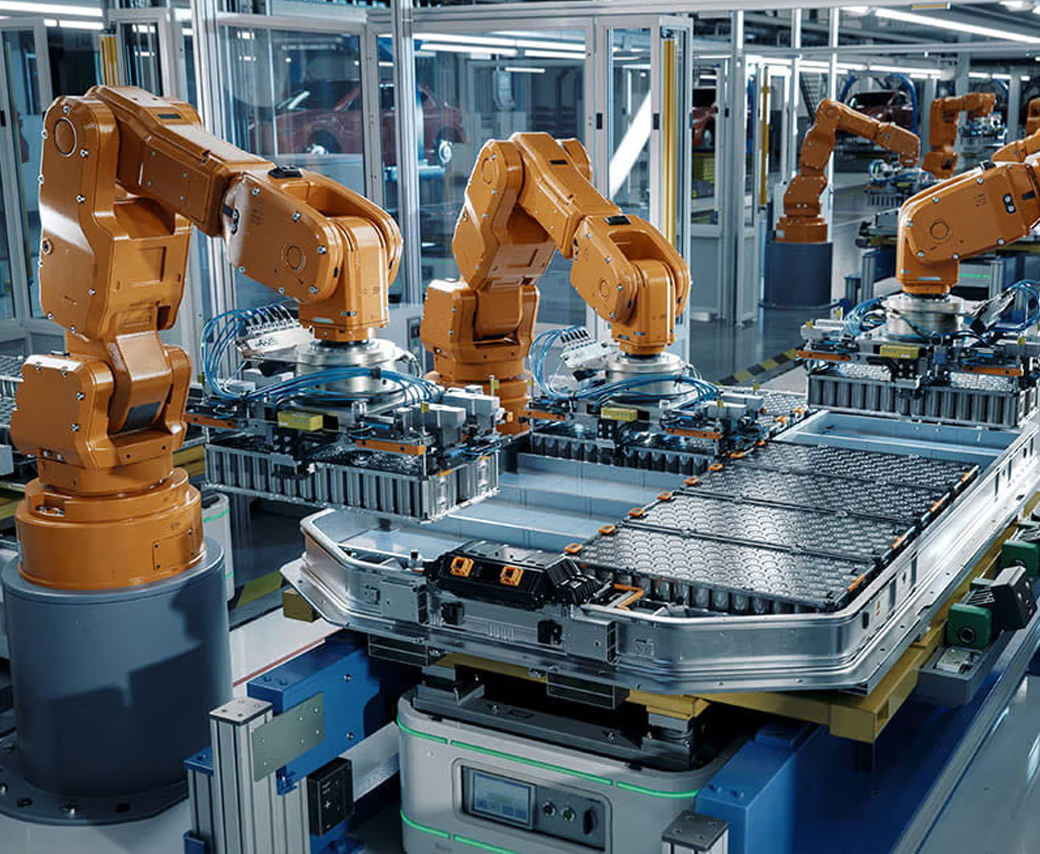
From robotic arms to high-speed CNC lathes and machining centers, our low-backlash planetary gearboxes ensure micron-level positioning accuracy, smooth motion control, and long-term repeatability in automated production lines.
Read More →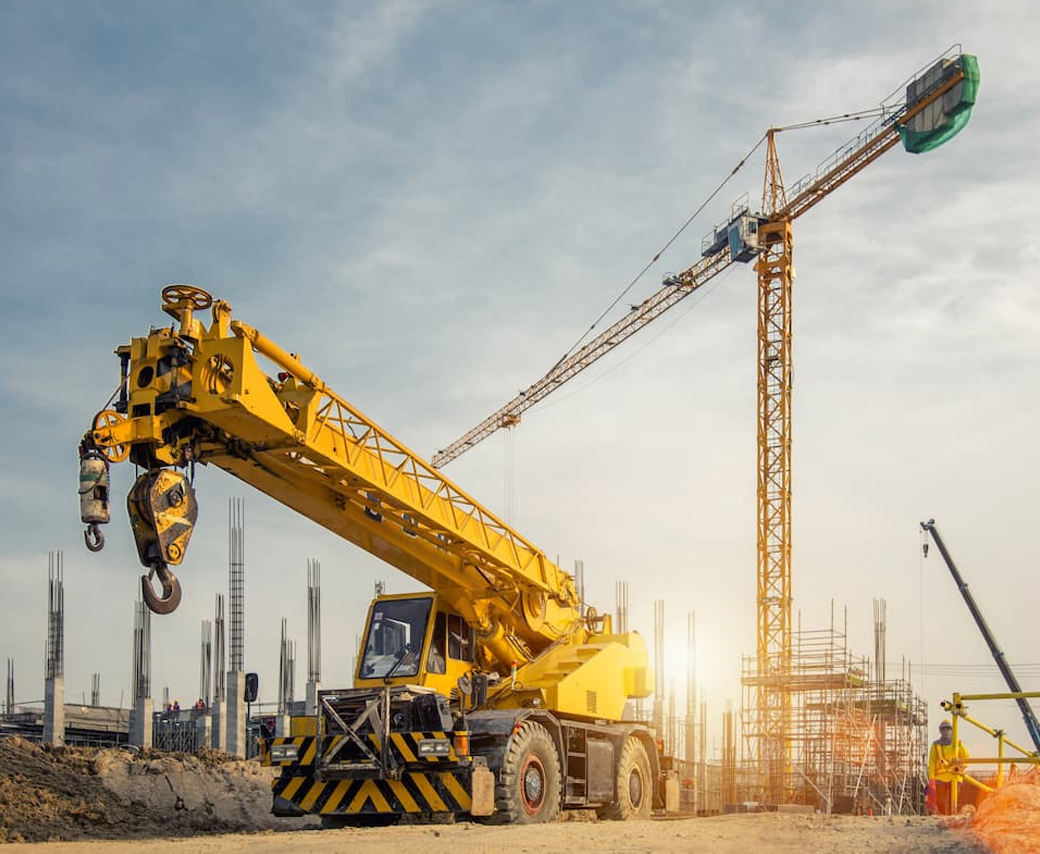
Used in cranes, excavators, concrete mixers, and pile drivers, our rugged helical and planetary gearboxes handle heavy loads, frequent starts/stops, and harsh job-site conditions—ensuring durability where failure is not an option.
Read More →