Leave Your Message
Engineered with alloy steel carburized gearing, massive thrust roller bearings, and exceptional torque-to-weight ratios to endure severe industrial duty cycles.
Exploring how specialized mechanical architectures engineered for polymer extrusion drive innovations across demanding material handling, automated hoists, and gantry operations.
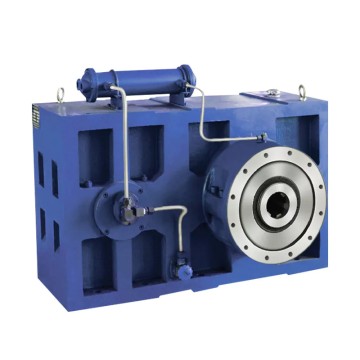
In modern industrial manufacturing, high-torque plastic extruder gearboxes and heavy-duty crane lifting equipment share an extraordinary engineering commonality: the uncompromising demand to withstand sustained, high-intensity mechanical stresses under zero-tolerance safety regimes. A continuous polymer extrusion line exerts enormous, relentless axial reaction forces back into the drive train as the screw compresses and homogenizes molten polymers at pressures commonly exceeding 350 to 500 bar. To endure this harsh phenomenon, extruder gear reducers incorporate oversized self-aligning spherical roller thrust bearings (notably the 29400 and 29300 series) coupled directly into reinforced cast or fabricated housing blocks.
This identical mechanical architecture has sparked widespread adoption across severe lifting systems, gantry hoists, ladle cranes, and mine-shaft hoisting winches. When heavy cranes lift massive payloads—such as ladles of molten steel, heavy die tools in automotive pressing plants, or tensioned extrudate pullers—the gear transmission system encounters sudden shock loads, reverse inertia, and pronounced axial deflection along the shaft axes. By deploying the robust structural rigidity and thrust-bearing architecture pioneered in plastic extruder gearboxes, heavy lifting machinery achieves unprecedented reliability, suppressing structural fatigue, tooth breakage, and bearing race spalling.
The global industrial landscape is undergoing a digital revolution characterized by smart connectivity, predictive maintenance, and decarbonization mandates. In lifting equipment, cranes, and polymer production facilities, downtime directly correlates to tens of thousands of dollars per hour in production deficits. Consequently, equipment builders are abandoning standard-duty commercial gearboxes in favor of integrated mechatronic speed reducers equipped with IoT sensors that track vibration signatures, oil dielectric health, temperature gradients, and shaft alignment in real time.
Furthermore, energy efficiency standards such as IE3 and IE4 have pushed gearbox manufacturers to elevate gear tooth meshing efficiencies beyond 96% per stage. Helical gear designs with optimized tip and root relief minimize frictional power dissipation, while synthetic lubricants engineered for wide operational temperature spectra reduce churn losses during the brutal ambient conditions typically found in foundries, plastic compounding plants, and coastal container terminals.
From polymer recycling haul-off rigs to heavy shipyard gantry hoists, see how high-capacity gearboxes power high-stakes industrial operations.
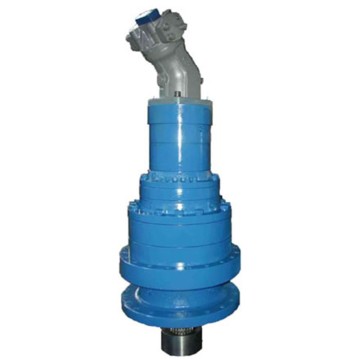
In large-scale continuous extrusion plants for polyolefins, PVC compounding, and engineering plastics, massive multi-ton breaker plates, extruder barrels, and screw shafts require frequent maintenance, swapping, and vertical extraction. Standard crane hoists often struggle with the subtle micro-positioning and immense breakout torque required when pulling tight-tolerance screws from gummed barrels. Heavy-duty gearbox systems utilizing specialized helical-planetary gear trains provide ultra-smooth low-speed torque delivery, eliminating jerky micro-movements and safeguarding costly nitrided barrels from galling.
In the manufacturing of ultra-high molecular weight polyethylene (UHMWPE) profiles, subsea marine synthetic cables, and heavy blown-film towers, the vertical extrudate must be pulled vertically through multi-story cooling towers via synchronized hoist mechanisms. These hoists run non-stop 24/7/365 under constant, unyielding line tension. Any torque ripple or momentary gear backlash can cause localized gauge variation or catastrophic line snapping. Incorporating high-precision extruder gearbox technology into the winch drum drives ensures seamless torque ripple attenuation and uninterrupted operational continuity.
Foundry lifting environments are amongst the most hazardous settings in modern industry, characterized by intense radiant thermal heat, abrasive airborne dust, and severe kinetic shock loading during emergency braking sequences. Gearboxes deployed in these environments require forged ductile iron or heavy welded steel housings, viton double-lip oil seals with auxiliary dust labyrinths, and forced circulating oil lubrication with integrated heat exchangers. The metallurgical excellence honed in heavy extruder drive manufacturing translates directly to zero-defect performance on high-risk crane hoists.

A Legacy of Growth & Innovation: Our journey is one of continuous evolution and strategic expansion.
We invest in world-class technology to ensure every product that leaves our facility is built to excel.
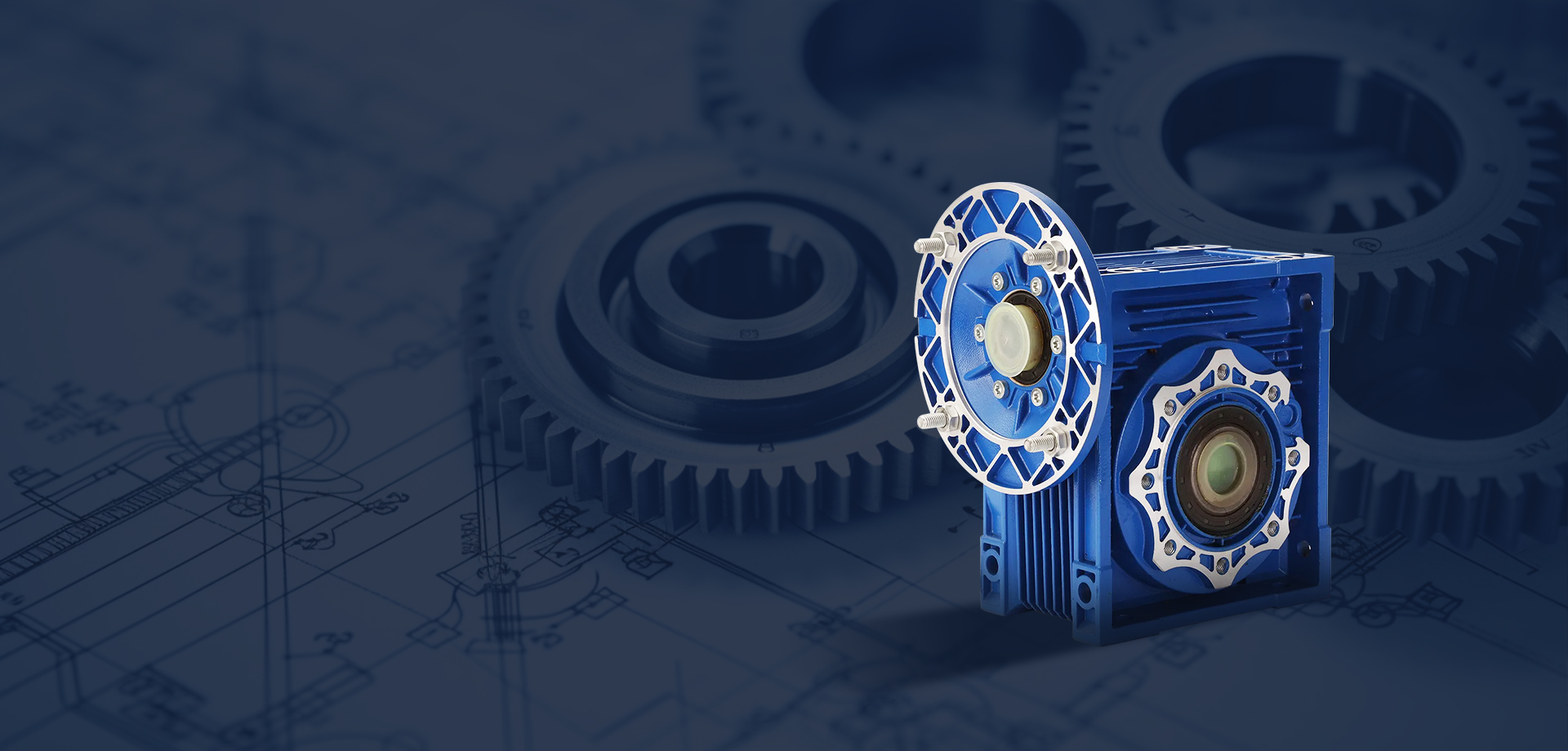
Quality is at the heart of everything we do

No diversions—just decades of refining helical, planetary, and parallel-shaft gearboxes for industrial applications.
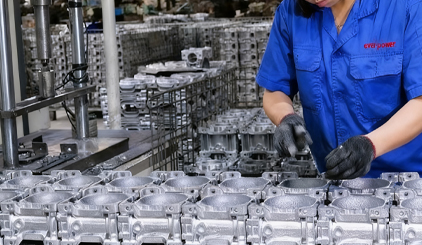

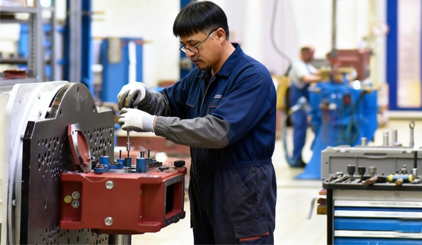
Critical processes like gear grinding, heat treatment, and housing machining are all done under one roof for consistent quality.
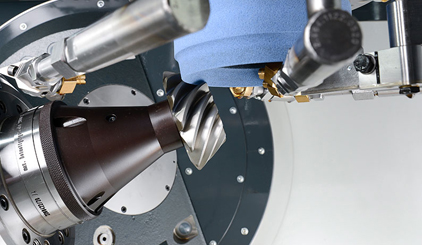

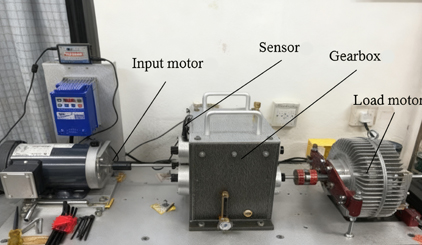
100% factory acceptance testing at rated torque with vibration, temperature, and leakage checks—test reports available on request.

Our engineers provide prompt troubleshooting, installation advice, and maintenance recommendations in English or Chinese—because your uptime matters.
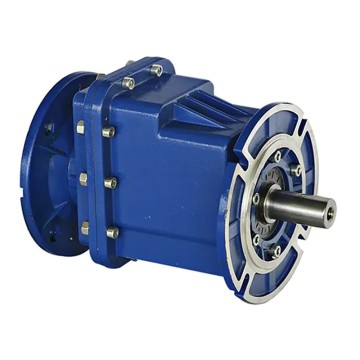
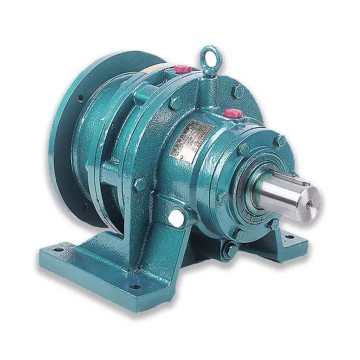
Explore our extensive line of high-torque, helical, planetary, worm, and cycloidal gear speed reducers tailored for extruders, hoists, cranes, and heavy automation.