Leave Your Message
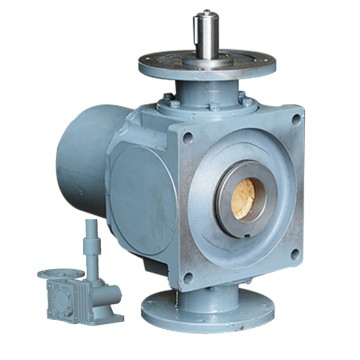
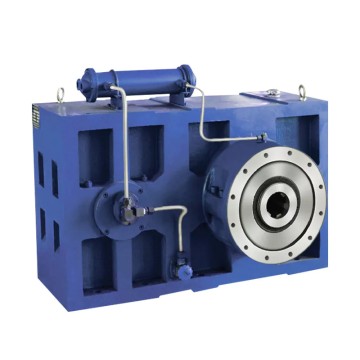
In the rapidly evolving landscape of industrial automation, the integration of specialized power transmission components is no longer a luxury but a fundamental necessity. The Plastic Extruder Gearbox for Conveyor Systems and Material Handling represents a pinnacle of engineering designed to meet the rigorous demands of continuous, high-torque operations. Traditionally associated strictly with polymer processing, the robust architecture of the plastic extruder gearbox—characterized by its exceptional thrust-bearing capacity and thermal dissipation capabilities—has found a revolutionary secondary application in heavy-duty conveyor systems. These systems are the lifeblood of global supply chains, moving everything from raw bulk materials in mining operations to meticulously packaged goods in e-commerce fulfillment centers.
The global material handling equipment market is experiencing unprecedented growth, driven by the explosive expansion of e-commerce, the globalization of supply chains, and the imperative transition towards Industry 4.0. Within this booming sector, the demand for high-reliability, low-maintenance power transmission units has skyrocketed. Conveyor systems in modern facilities operate 24/7, meaning any downtime results in catastrophic financial losses.
Commercially, facility managers and system integrators are shifting their procurement strategies. Instead of opting for standard, off-the-shelf reducers, there is a distinct trend towards over-engineering critical nodes within the conveyor matrix. By utilizing gearboxes originally designed for the extreme pressures of plastic extrusion, conveyor systems gain an unparalleled safety margin. These gearboxes are inherently designed to handle massive axial loads—a feature that translates perfectly to managing the erratic tension and heavy start-up torques of fully loaded industrial belt and screw conveyors. The return on investment (ROI) is realized not just through energy efficiency, but through a drastic reduction in Mean Time Between Failures (MTBF).
Understanding the versatility of the Plastic Extruder Gearbox requires a granular look at its specific applications within material handling and conveyor systems. The mechanical synergy between high-torque extrusion drives and heavy material transport is profound.
In agriculture, mining, and chemical processing, screw conveyors (augers) are utilized to move semi-solid, granular, or abrasive materials. The mechanics of a screw conveyor closely mirror those of a plastic extruder. Both require a motor to drive a helical screw against significant resistance, generating substantial axial thrust. A standard gearbox would require external thrust bearings to survive this force. However, a Plastic Extruder Gearbox integrates heavy-duty thrust bearings directly into its housing. This seamless integration ensures smooth, continuous operation even when transporting dense materials like cement, grain, or raw plastic pellets, significantly reducing the mechanical footprint and maintenance requirements of the conveyor system.
In recycling facilities and ore processing plants, apron conveyors must absorb the shock of heavy, irregular loads dropping onto the line. The transmission system driving these conveyors must possess exceptional shock-load resistance. The gears within an extruder gearbox are typically manufactured from high-alloy steel, meticulously carburized and ground to precise tolerances. This metallurgical superiority allows the gearbox to absorb sudden torque spikes without suffering tooth fracture or premature wear. Furthermore, the optimized lubrication systems inherent to extruder gearboxes ensure that even at low rotational speeds—common in heavy apron conveyors—the gears remain fully protected against friction.
While heavy industries benefit from the brute strength of these gearboxes, automated packaging logistics benefit from their precision. Modern fulfillment centers utilize complex networks of roller and belt conveyors that must start, stop, and reverse with exact timing to route packages correctly. The low-backlash characteristics of premium gearboxes ensure that motor commands translate instantaneously to conveyor movement, preventing package collisions and maintaining the high throughput required by modern logistics software.
The future of power transmission in material handling is not just mechanical; it is deeply digital. As we step further into the era of Industry 4.0, the Plastic Extruder Gearbox is evolving from a passive mechanical component into an active, intelligent node within the industrial Internet of Things (IIoT).
The most significant trend currently reshaping the industry is the integration of smart sensors directly into the gearbox housing. These sensors continuously monitor critical operational parameters such as vibration signatures, acoustic emissions, oil temperature, and particulate contamination. However, data alone is insufficient. The true breakthrough lies in feeding this real-time telemetry into AI-driven predictive maintenance algorithms.
By utilizing machine learning models trained on thousands of hours of operational data, these systems can detect microscopic anomalies in gear meshing or bearing rotation weeks before a physical failure occurs. For a massive conveyor system handling millions of dollars of inventory, the ability to schedule maintenance during planned downtime—rather than reacting to a catastrophic breakdown—is invaluable. This AI integration transforms the gearbox from a potential point of failure into a self-diagnosing asset.
Beyond digital integration, physical advancements are continuing at a rapid pace. Development in tribology is leading to the use of advanced synthetic lubricants and nano-coatings on gear teeth, dramatically reducing friction coefficients. This not only extends the lifespan of the gearbox but significantly lowers the energy consumption of the conveyor system. In an era where carbon footprint reduction is a corporate mandate, the energy efficiency of the transmission system plays a critical role in the overall sustainability of material handling operations.
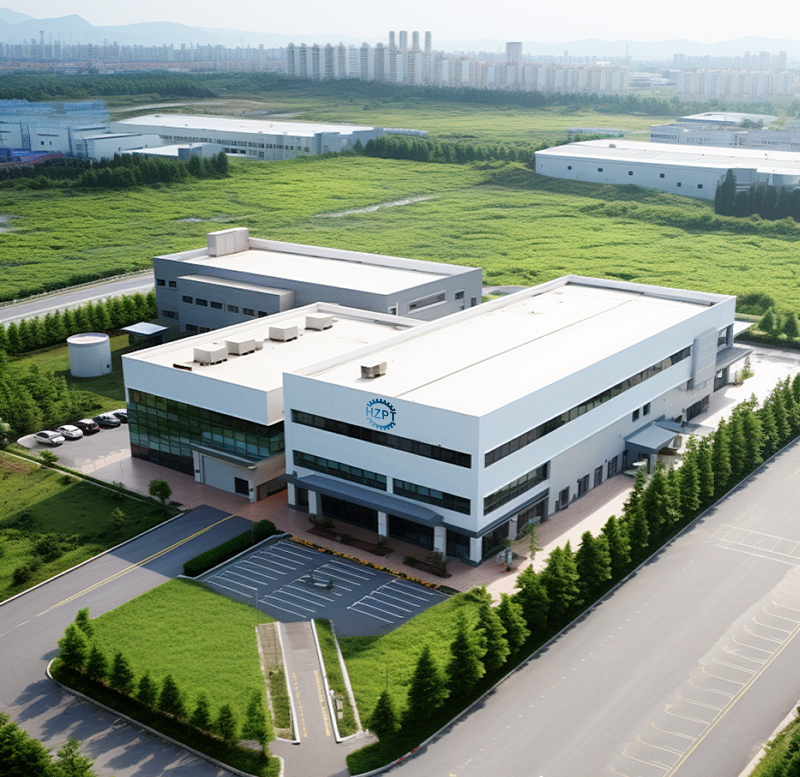

HANGZHOU EVER-POWER TRANSMISSION CO., LTD. (HZPT) is a leading manufacturer and global supplier of high-performance gearboxes, specializing in the design, development, and production of industrial and agricultural transmission systems. With over 15 years of experience in the power transmission industry, HZPT has grown into a modern enterprise integrating R&D, manufacturing, sales, and service, serving customers in more than 60 countries across Asia, Europe, North America, and Africa.
Our manufacturing base spans over 80,000 square meters, equipped with advanced CNC machining centers, precision gear grinding machines, automated assembly lines, and state-of-the-art testing facilities. We operate a fully integrated production system that ensures consistent quality from raw material sourcing to final product delivery.
DISCOVER OUR SUSTAINABILITY PROJECTSOur advanced gearbox technology powers critical infrastructure across a multitude of heavy-duty and precision sectors globally.

No diversions—just decades of refining helical, planetary, and parallel-shaft gearboxes for industrial and agricultural applications.
Read more
Planetary gearboxes are at the heart of wind turbine systems, driving yaw and pitch mechanisms. Built for 20+ years of maintenance-free operation.
Read more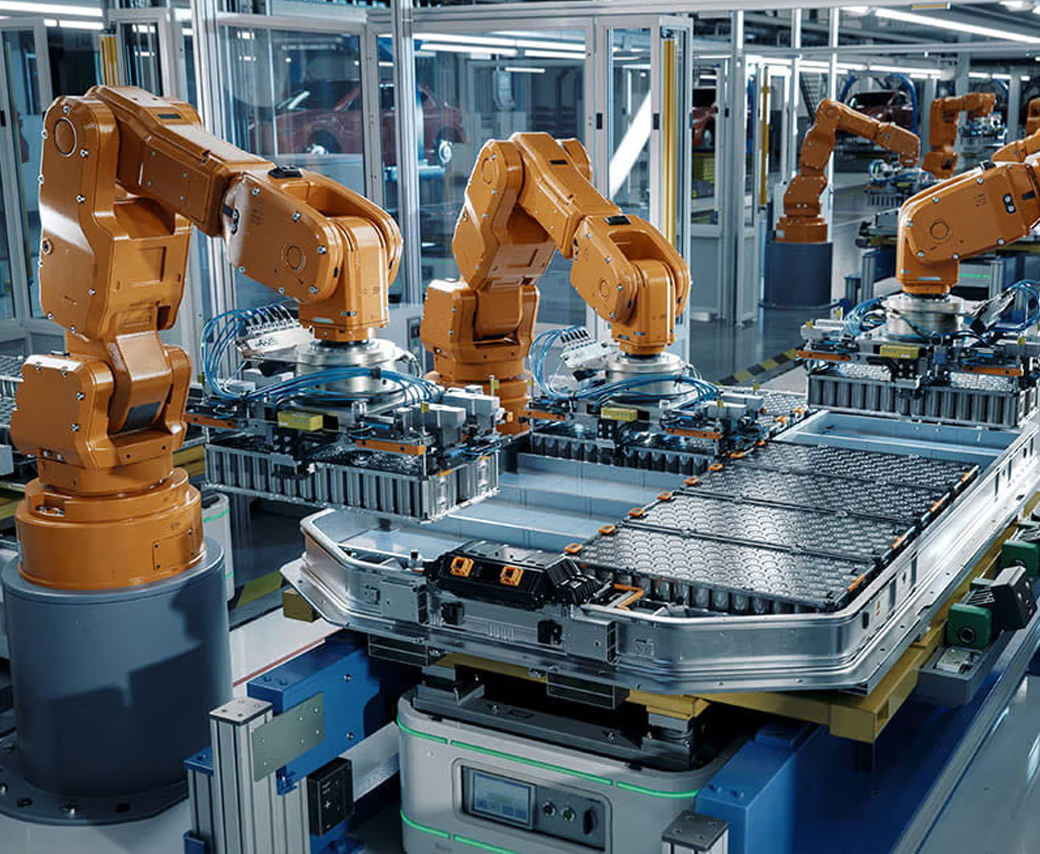
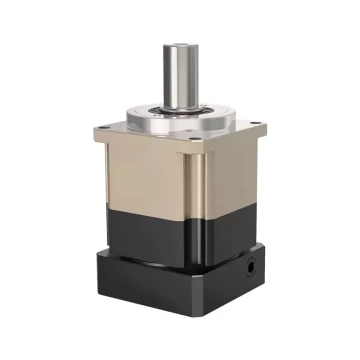
From robotic arms to high-speed CNC lathes, our low-backlash planetary gearboxes ensure micron-level positioning accuracy and smooth motion control.
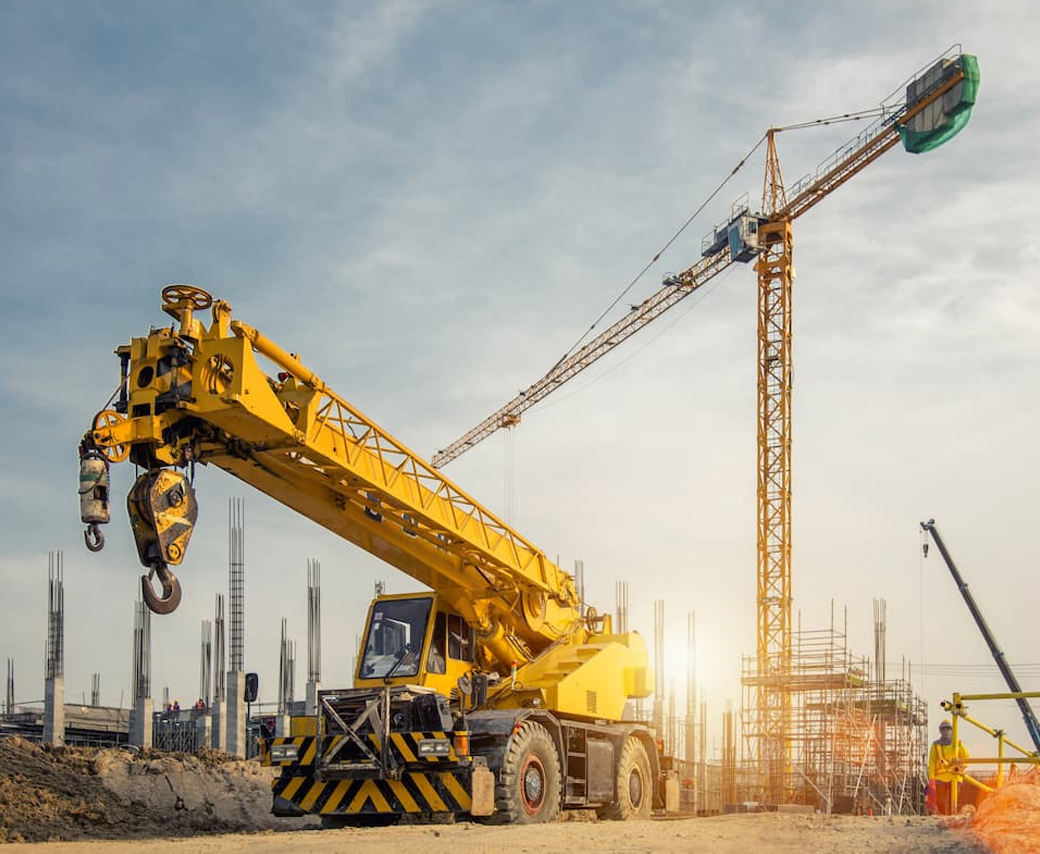
Used in cranes, excavators, and concrete mixers, our rugged helical and planetary gearboxes handle heavy loads and harsh job-site conditions.