Leave Your Message
Discover our cutting-edge planetary and precision gearboxes engineered for the most demanding applications, bridging the gap between heavy-duty wind energy generation and micron-level robotic automation.
The global industrial landscape is undergoing a monumental transformation, driven simultaneously by the urgent transition toward renewable energy and the rapid adoption of Industry 4.0 automation. At the mechanical heart of both these revolutions lies the Planetary Gearbox. Historically viewed as traditional mechanical power transmission components, planetary gearboxes have evolved into highly sophisticated, precision-engineered systems vital for complex motion control.
In the commercial sector, the demand for precision gearboxes is experiencing an unprecedented Compound Annual Growth Rate (CAGR). This surge is fueled by two distinct yet mechanically related extremes: the macro-scale requirements of multi-megawatt wind turbines and the micro-scale demands of precision robotics. Despite the vast difference in physical size, both applications rely on the fundamental advantages of planetary gear systems: exceptional torque density, high torsional stiffness, compact footprint, and the ability to distribute massive radial and axial loads across multiple planet gears.
Today's market demands zero-backlash performance and extreme durability. Industrial operators can no longer afford unexpected downtime, whether it is an offshore wind turbine facing catastrophic storm winds or a surgical robot performing delicate procedures. Consequently, gearbox manufacturers are pushing the boundaries of metallurgy, tribology, and precision machining to deliver products that offer absolute reliability under the most strenuous conditions.
In the realm of wind energy, planetary gearboxes are mission-critical components, specifically within the Pitch and Yaw drive systems. The Pitch Drive is responsible for adjusting the angle of the individual turbine blades. This micro-adjustment optimizes the aerodynamic angle of attack to maximize energy capture during low winds, and crucially, feathers the blades to prevent structural failure during extreme weather events. The Yaw Drive continuously rotates the entire massive nacelle to face the wind directly, ensuring optimal efficiency.
Why are planetary gearboxes the absolute standard here? The nacelle of a wind turbine is highly space-constrained, yet the aerodynamic forces exerted on a 100-meter blade are staggering. A planetary gearbox's multi-stage design allows it to achieve massive reduction ratios (often exceeding 1:1000) within a remarkably compact cylindrical housing. The load is distributed evenly among several planet gears revolving around a central sun gear, preventing premature wear on any single tooth.
Wind turbine gearboxes operate in some of the most hostile environments on Earth. Offshore installations subject the machinery to highly corrosive salt spray, relentless humidity, and dynamic wave loading. Conversely, onshore installations in remote regions expose the gearboxes to extreme temperature fluctuations—from blistering heat to sub-zero freezing conditions.
To combat these elements, modern planetary gearboxes for wind applications are engineered with specialized multi-lip sealing systems to prevent lubricant contamination. Furthermore, they utilize advanced synthetic lubricants capable of maintaining viscosity across broad temperature spectrums. The integration of robust slewing bearings directly into the gearbox housing allows them to absorb massive bending moments, ensuring that the precision motion control required for blade pitching remains uncompromised over a 20-to-25-year lifespan.
While wind turbines require massive torque, the robotics industry demands absolute precision. The integration of Planetary Gearboxes in Robotics and Precision Motion Control represents the pinnacle of modern mechanical engineering. In automated manufacturing, logistics, and medical fields, robots must perform repetitive tasks with exact repeatability, often down to fractions of a millimeter.
In 6-axis articulated robotic arms, SCARA robots, and Automated Guided Vehicles (AGVs), standard gearboxes are insufficient due to "backlash"—the slight clearance or play between mating gear teeth. In a robotic arm spanning two meters, a mere fraction of a degree of backlash at the base joint translates to significant positional errors at the end-effector. High-precision planetary gearboxes solve this through meticulously ground helical gears, pre-loaded bearings, and optimized tooth profiles, achieving near-zero backlash and exceptionally high torsional stiffness.
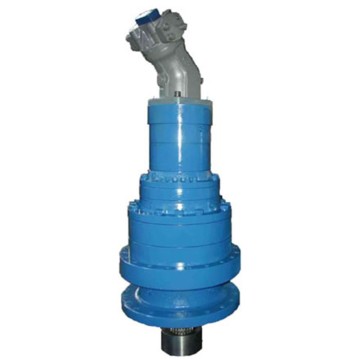
For AGVs and autonomous mobile robots (AMRs) navigating dynamic warehouse environments, planetary wheel drives offer the perfect solution. By integrating the planetary gear stages directly inside the wheel hub, manufacturers save critical chassis space, allowing for larger battery capacities and sleeker robot designs. These gearboxes provide the immediate torque required for rapid acceleration, deceleration, and precise steering maneuvers, all while maintaining high energy efficiency to extend the robot's operational shifts.
The future of planetary gearboxes in both wind energy and robotics is intrinsically linked to digital transformation and advanced material sciences.
The era of "run-to-failure" is over. The latest trend is the integration of IoT sensors directly into the gearbox housing. These sensors continuously monitor vibration signatures, acoustic emissions, oil temperature, and particulate contamination. Artificial Intelligence (AI) algorithms analyze this real-time data to predict component wear before a failure occurs. In offshore wind turbines, this predictive maintenance capability saves millions in logistics costs. In robotic assembly lines, it guarantees uninterrupted production, scheduling maintenance only during planned downtimes.
To push the limits of power density, manufacturers are exploring advanced metallurgy, including titanium alloys and specialized carbon fiber composites for housings, drastically reducing the weight of robotic joints. Furthermore, the use of "Digital Twin" technology allows engineers to simulate the exact physical stresses a planetary gearbox will face in a specific wind turbine or robotic application before a single piece of metal is cut. This virtual prototyping ensures optimal gear geometry, minimizing noise and maximizing efficiency.
Our journey is one of continuous evolution and strategic expansion, dedicated to bridging the gap between heavy industrial power and robotic precision.
We invest in world-class technology to ensure every product that leaves our facility is built to excel in both harsh wind environments and high-precision robotic applications.
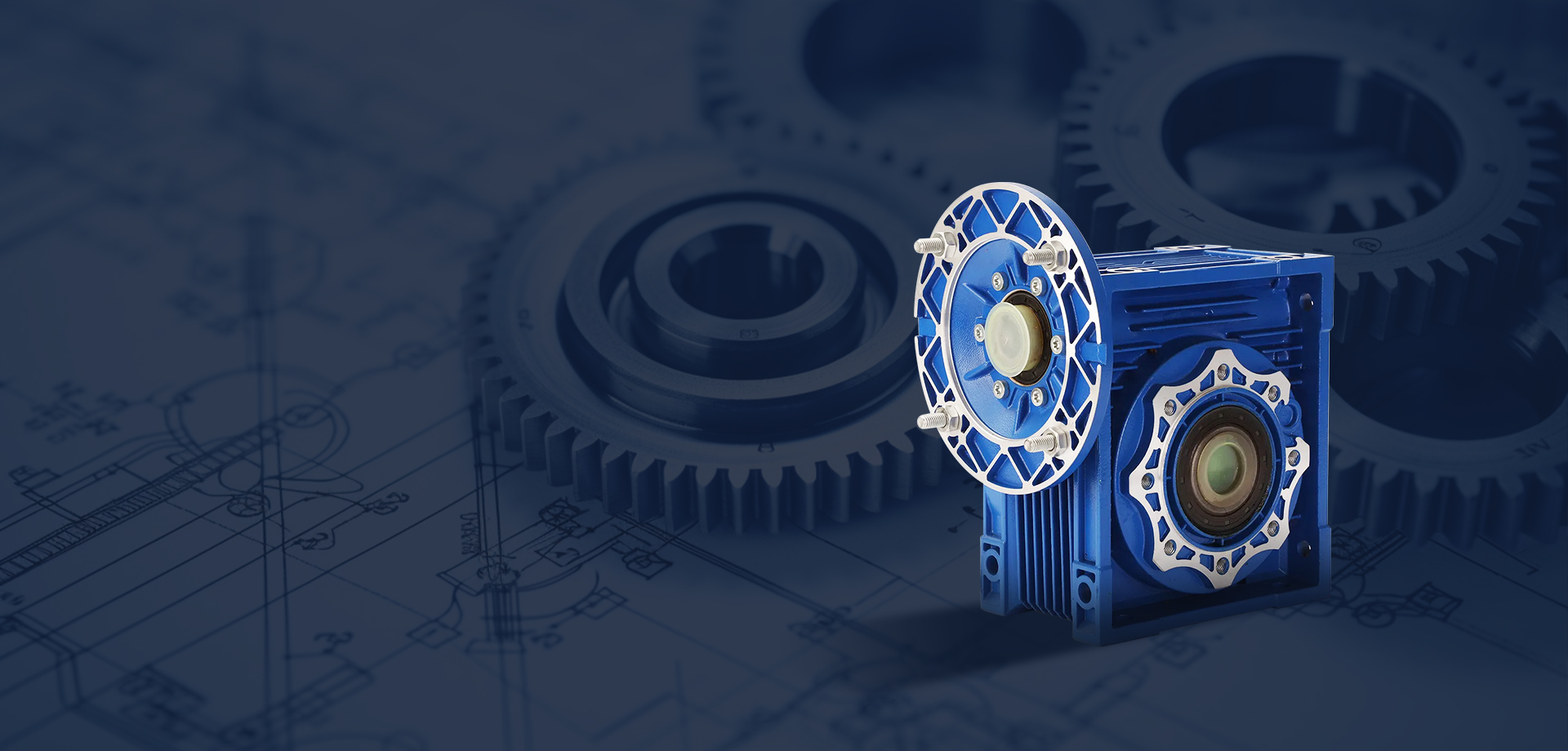
Quality is at the heart of everything we do. Our commitment ensures your robotic systems and wind turbines operate flawlessly.

No diversions—just decades of refining helical, planetary, and parallel-shaft gearboxes for industrial, robotic, and renewable energy applications.
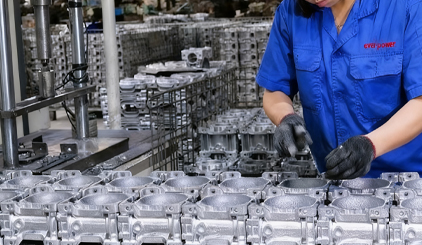

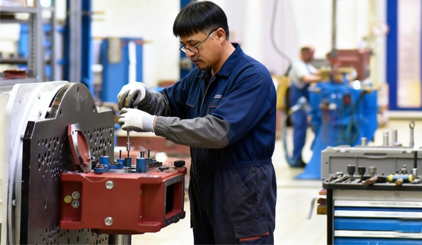
Critical processes like gear grinding, heat treatment, and housing machining are all done under one roof for absolute and consistent quality control.
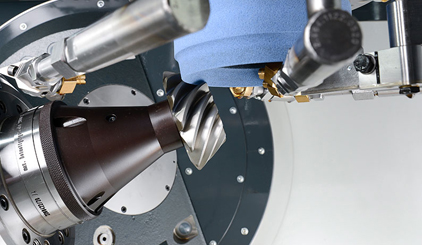

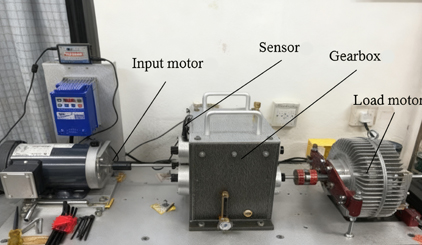
100% factory acceptance testing at rated torque with vibration, temperature, and leakage checks—detailed test reports are available on request.

Our engineers provide prompt troubleshooting, installation advice, and maintenance recommendations in English or Chinese—because your uptime matters.
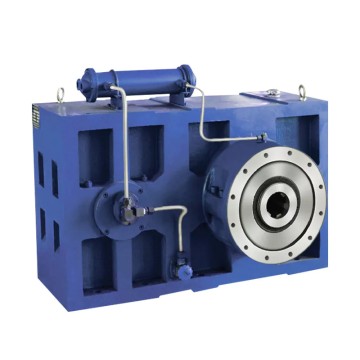
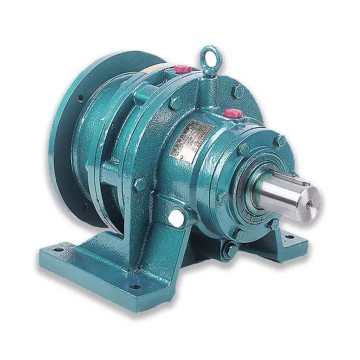
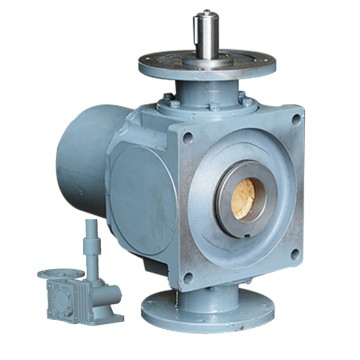
Explore our full range of high-performance gearboxes designed to meet the rigorous demands of modern robotics, precision motion control, and heavy-duty wind turbine applications.