Leave Your Message
Engineered for maximum torque density, durability, and efficiency in extreme environmental conditions.
The global transition towards sustainable and clean energy sources has exponentially increased the demand for highly efficient, robust, and technologically advanced mechanical components. At the very heart of this mechanical revolution lies the Planetary Gearbox for Wind Power and Renewable Energy Systems. Unlike traditional parallel-shaft gearboxes, planetary (or epicyclic) gear systems offer unparalleled torque density, compact footprints, and the ability to handle massive radial and axial loads. These characteristics make them the absolute cornerstone of modern renewable energy infrastructure, from towering multi-megawatt offshore wind turbines to precise, sun-chasing solar tracking arrays.
In the context of wind power, the kinetic energy harnessed by massive rotor blades must be converted into high-speed rotational energy to drive the electrical generator. A planetary gearbox serves as the critical intermediary, stepping up the low rotational speed of the turbine blades (typically 10 to 20 RPM) to the high speeds required by the generator (often 1,500 to 1,800 RPM). The multi-stage planetary configuration distributes the immense mechanical load across multiple planet gears, significantly reducing the stress on individual gear teeth. This load-sharing capability is what allows wind turbine nacelles to remain relatively compact and lightweight while processing incredibly high torque inputs.
The industrial landscape for planetary gearboxes in the renewable sector is experiencing a period of unprecedented growth. As governments worldwide commit to stringent net-zero carbon emissions targets, the installation of wind and solar capacity is breaking records annually. According to recent industrial analyses, the wind turbine gearbox market alone is projected to grow at a Compound Annual Growth Rate (CAGR) of over 6% in the coming decade. This growth is heavily skewed towards offshore wind farm developments.
Offshore wind turbines present a unique set of commercial and engineering challenges. Turbines deployed in marine environments are growing exponentially in size, with modern offshore prototypes exceeding 15 Megawatts (MW) in capacity. To handle the colossal torque generated by rotor diameters surpassing 250 meters, manufacturers are pushing the boundaries of planetary gearbox design. The commercial demand is strictly focused on reducing the Levelized Cost of Energy (LCOE). To achieve this, planetary gearboxes must offer extreme reliability; the cost of deploying a jack-up vessel to replace a failed gearbox in the middle of the ocean can easily erase the profit margins of a wind farm for years. Consequently, the industry is witnessing a massive shift towards premium, high-fatigue-strength materials and advanced manufacturing precision.
Understanding the application of a planetary gearbox for wind power and renewable energy systems requires a deep dive into the specific mechanisms within a turbine. A modern wind turbine relies on multiple distinct gearbox systems to operate safely and efficiently, each utilizing planetary gear technology tailored for specific operational profiles.
The pitch drive system is responsible for adjusting the angle of the individual wind turbine blades in real-time. By rotating the blades along their longitudinal axis, the pitch system controls the aerodynamic lift, optimizing energy capture in low winds and feathering the blades to prevent catastrophic structural failure during storm conditions. Pitch drive planetary gearboxes must be incredibly compact to fit within the confined space of the rotor hub. Furthermore, they must deliver massive intermittent torque to overcome the immense aerodynamic forces acting on the blades. These gearboxes often feature three or four-stage planetary configurations, providing reduction ratios that can exceed 1000:1, ensuring precise micro-adjustments of the massive composite blades.
While the pitch system controls the blades, the yaw system is responsible for keeping the entire nacelle (and thus the rotor) facing directly into the wind to maximize energy extraction. The nacelle of a multi-megawatt turbine can weigh hundreds of tons. Yaw drives utilize heavy-duty planetary gearboxes driven by electric or hydraulic motors to rotate this massive structure atop the tower. Because the wind direction can change rapidly, yaw gearboxes are subjected to severe shock loads and continuous start-stop operations. Multiple planetary yaw drives (often 4 to 8 units depending on turbine size) work in synchronization, requiring perfect load distribution and exceptional braking torque capabilities to hold the nacelle steady once aligned.
The main gearbox is the largest and most expensive mechanical component in a geared wind turbine. It takes the massive torque from the main shaft and increases the rotational speed for the generator. Modern main gearboxes typically employ a hybrid design: one or two low-speed planetary stages followed by a high-speed parallel helical gear stage. The planetary stages are crucial here; they absorb the violent, irregular wind gusts and turbulent aerodynamic loads, distributing these destructive forces across multiple planet gears and the outer ring gear. The precision engineering of the planet carrier and the bearings within this system is arguably the most complex challenge in modern renewable energy mechanics.
While wind energy dominates the conversation, the planetary gearbox for wind power and renewable energy systems is equally vital in other green technologies. The versatility of epicyclic gearing makes it the ideal solution for various automated and high-torque applications across the green energy spectrum.
In utility-scale Photovoltaic (PV) solar farms and Concentrated Solar Power (CSP) plants, maximizing solar irradiance is key to profitability. Solar tracking systems slowly rotate massive arrays of solar panels or mirrors to follow the sun's trajectory across the sky from dawn until dusk. This requires ultra-low-speed, high-precision movement. Planetary gearboxes used in solar trackers are designed with minimal backlash (the play between gear teeth) to ensure the panels are positioned with pinpoint accuracy. Furthermore, these gearboxes must be completely sealed and lubricated for life, as they are exposed to harsh desert environments, extreme temperature fluctuations, and abrasive dust storms over a 25-year lifespan.
Harnessing the immense power of ocean tides and river currents is a growing frontier in renewable energy. Tidal turbines operate on principles similar to wind turbines but in a fluid that is 800 times denser than air. The planetary gearboxes utilized in underwater turbines must withstand incredible torque loads at very low rotational speeds. The primary engineering challenge here is completely isolating the internal gear mechanics from corrosive seawater. Advanced multi-lip sealing technologies, specialized marine-grade stainless steel housings, and pressure-compensation systems are integrated into these planetary gearboxes to ensure they can operate continuously submerged without catastrophic failure.
📈The future of the planetary gearbox for wind power and renewable energy systems is intrinsically linked to the digital revolution and advanced material sciences. As the industry strives for zero downtime, traditional reactive maintenance is being entirely replaced by predictive, AI-driven strategies.
Modern planetary gearboxes are no longer just mechanical components; they are smart, IoT-enabled hubs. State-of-the-art gearboxes are embedded with a network of sensors that continuously monitor vibration signatures, acoustic emissions, oil temperature, and particulate contamination. This real-time data is fed into Artificial Intelligence (AI) algorithms and Machine Learning models to create a "Digital Twin" of the gearbox in the cloud. The AI analyzes micro-changes in the gear meshing frequencies, capable of predicting a bearing spall or a gear tooth micro-crack months before a physical failure occurs. This AI tech integration allows wind farm operators to schedule maintenance during low-wind periods, drastically reducing operational expenditure and preventing catastrophic cascading failures.
To meet the demand for higher torque density in smaller packages, manufacturers are exploring revolutionary materials. The use of ultra-clean, vacuum-degassed forged steels combined with advanced surface hardening techniques (like deep case carburizing and nitriding) is becoming standard. Furthermore, developments in tribology (the science of wear and friction) have led to the creation of synthetic, nanoparticle-infused lubricants. These advanced oils maintain their viscosity in extreme temperatures and actively repair micro-fissures on the gear tooth surface, significantly extending the lifecycle of the planetary gearbox in remote renewable energy installations.
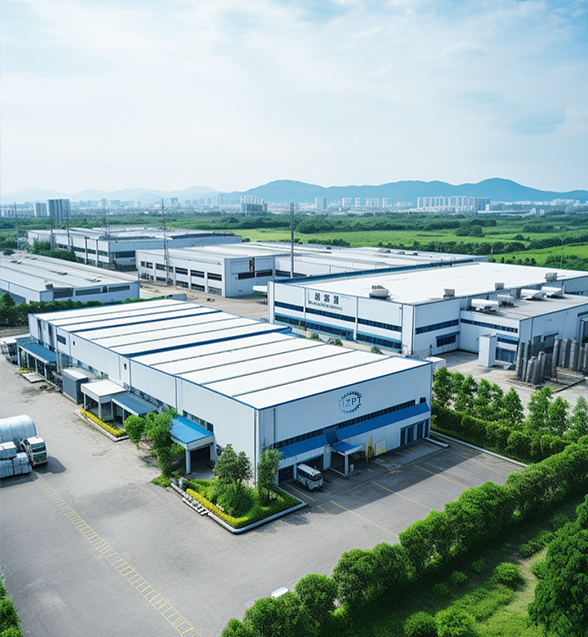
HANGZHOU EVER-POWER TRANSMISSION CO., LTD. (HZPT) is a leading manufacturer and global supplier of high-performance gearboxes, specializing in the design, development, and production of industrial and agricultural transmission systems. With over 15 years of experience in the power transmission industry, HZPT has grown into a modern enterprise integrating R&D, manufacturing, sales, and service, serving customers in more than 60 countries across Asia, Europe, North America, and Africa.
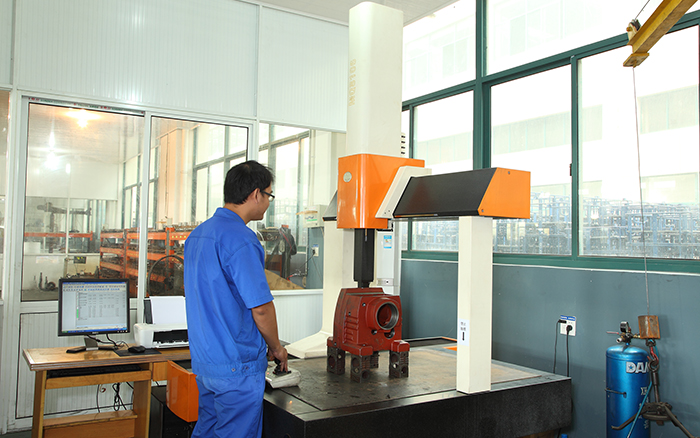
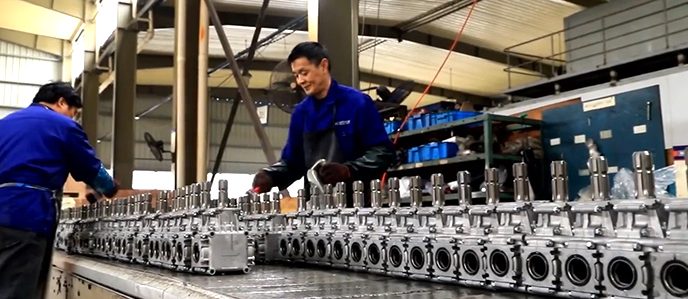
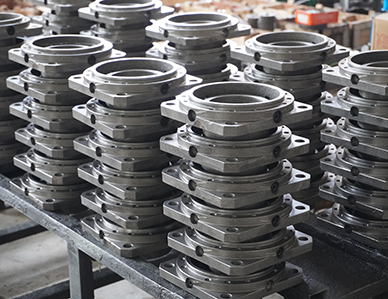
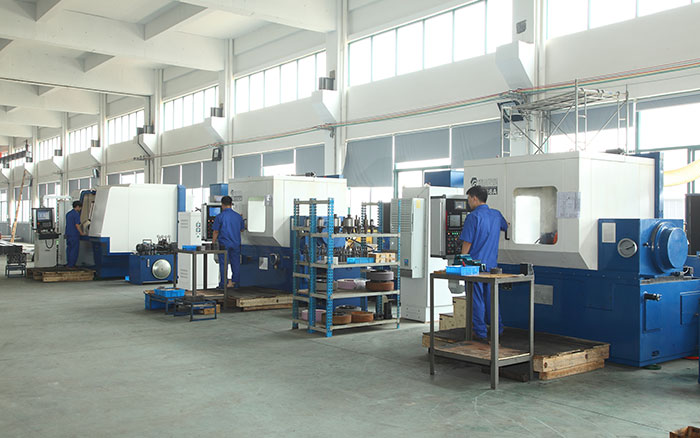
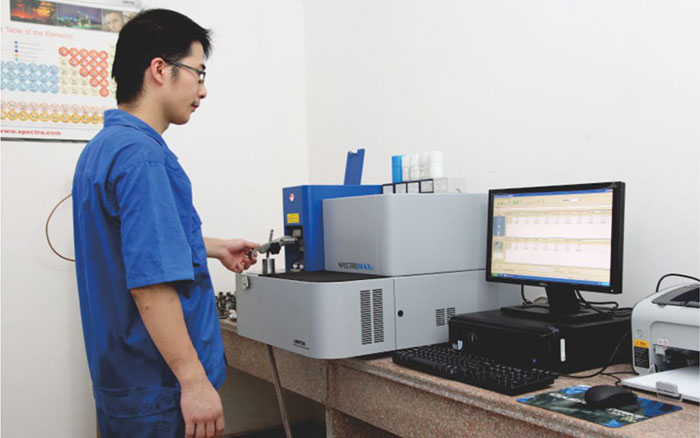
Our manufacturing base spans over 80,000 square meters, equipped with advanced CNC machining centers, precision gear grinding machines, automated assembly lines, and state-of-the-art testing facilities. We operate a fully integrated production system that ensures consistent quality from raw material sourcing to final product delivery.
DISCOVER OUR SUSTAINABILITY PROJECTSR&D Department: Our engineering team, led by veterans with over 15+ years of industry experience, is the core of our innovation. We maintain active "Industry-University-Research" collaborations with leading institutions to pioneer advancements in gear geometry, materials science, and tribology.
Skilled Workforce: Our production floor is staffed by highly trained and experienced technicians, with over 30% holding advanced technical certifications. Their craftsmanship and attention to detail are embedded in every product we build.
Management: Our leadership team brings international expertise and modern management practices, steering the company with a clear vision for sustainable growth and technological leadership.
Our commitment to quality and innovation is validated by third-party accreditations and intellectual property.
We hold 30+ national patents, including 5 invention patents. These cover key areas like "Modular Housing Design," "High-Efficiency Helical-Herringbone Gear Profiles," "Integrated Cooling Systems," and "Proprietary Surface Treatment Processes."


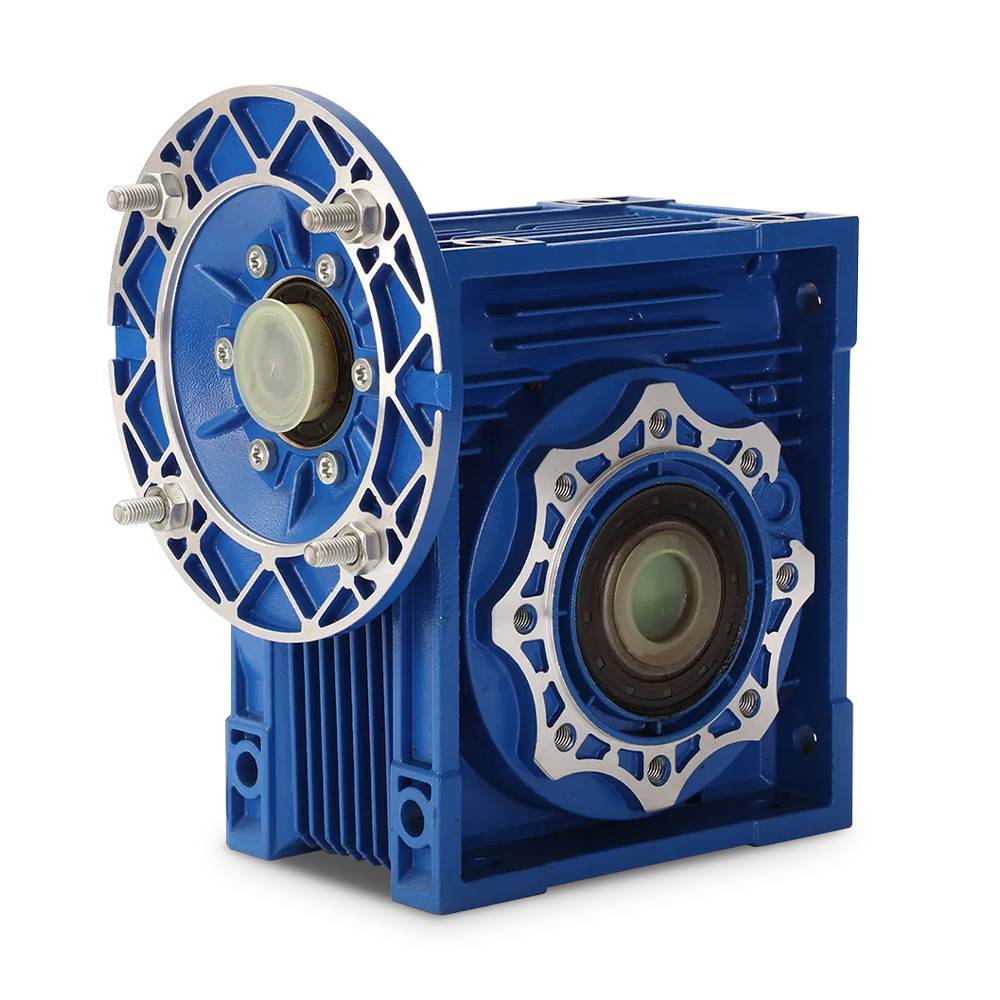
Explore our full range of engineered power transmission products designed for the future of renewable energy infrastructure.