Leave Your Message
Discover our core lineup of high-performance planetary gear reducers, specifically engineered to withstand the extreme torques and harsh environments of wind, solar, and tidal energy applications.
The global transition towards sustainable and renewable energy sources has fundamentally reshaped the industrial landscape. At the very heart of this mechanical revolution lies the Planetary Gear Reducer. As nations strive to meet ambitious Net Zero emission targets by 2050, the demand for highly efficient, durable, and compact power transmission systems has skyrocketed. In the wind power sector alone, the market for specialized gearboxes is experiencing a robust Compound Annual Growth Rate (CAGR), driven heavily by the shift from onshore to massive offshore wind farms. Offshore turbines, often exceeding 10 MW in capacity, operate in exceptionally brutal marine environments characterized by corrosive salt spray, extreme temperature fluctuations, and unpredictable aerodynamic loads. Here, the planetary gear reducer is not merely a component; it is the lifeline of the turbine's operational viability.
Commercially, the renewable energy gearbox market is transitioning from standardized, off-the-shelf products to highly customized, application-specific engineering marvels. Manufacturers are now required to provide solutions that offer unprecedented torque density while minimizing weight and physical footprint. The economic viability of a wind farm or a utility-scale solar tracking plant is directly tied to the Levelized Cost of Energy (LCOE). By significantly reducing mechanical losses, extending maintenance intervals, and ensuring near-perfect uptime, advanced planetary gearboxes directly contribute to a lower LCOE, making renewable energy increasingly competitive against traditional fossil fuels. Furthermore, the integration of smart sensors and IoT (Internet of Things) capabilities into these gearboxes has transformed them from passive mechanical devices into active, data-generating assets, creating a lucrative secondary market for predictive maintenance software and condition monitoring services.
In wind power systems, planetary gear reducers are predominantly utilized in two critical subsystems: the pitch drive and the yaw drive. The pitch drive is responsible for continuously adjusting the angle of the individual turbine blades. This adjustment is crucial for optimizing aerodynamic efficiency at varying wind speeds and for feathering the blades to protect the turbine during severe storm conditions. Pitch drives require gearboxes that can deliver immense holding torque while fitting into the highly constrained space within the rotor hub. Planetary gear systems, with their ability to distribute loads across multiple planet gears, are uniquely suited for this task, offering superior shock load resistance and torsional stiffness.
The yaw drive, on the other hand, rotates the entire nacelle to ensure the rotor is always optimally facing the wind direction. Wind turbulence creates massive, erratic forces that attempt to twist the nacelle out of alignment. The yaw gearbox must not only rotate this massive structure (often weighing hundreds of tons) but also hold it rigidly in place against gale-force winds. Planetary gear reducers used here are typically multi-stage designs, providing extraordinarily high reduction ratios (often exceeding 1000:1). They are engineered with minimal backlash and reinforced output bearings to handle the severe radial and axial loads inherent in nacelle positioning.
Beyond wind, planetary gear reducers are indispensable in utility-scale solar installations. Both Concentrated Solar Power (CSP) plants and Photovoltaic (PV) solar farms increasingly utilize active tracking systems to follow the sun's trajectory across the sky, thereby increasing energy yield by up to 30%. Solar tracker gearboxes operate at incredibly low speeds but require exceptional precision and zero-maintenance longevity, as a single solar farm may contain tens of thousands of individual drives. Planetary gears provide the smooth, judder-free motion necessary to keep solar panels perfectly aligned with the sun, mitigating the effects of wind buffeting that could otherwise misalign the arrays.
In the emerging field of Tidal and Hydrokinetic Energy, the challenges are even more extreme. Underwater turbines operate in highly abrasive, corrosive, and inaccessible environments. Planetary gearboxes in these systems are sealed using advanced hydrodynamic technologies and are often filled with specialized biodegradable lubricants. The compact nature of planetary gears is vital here, as minimizing the cross-sectional area of the underwater nacelle reduces drag and improves overall fluid dynamic efficiency. The ability of planetary systems to handle the immense, low-speed torque generated by dense water currents makes them the only viable choice for commercializing ocean energy.
The future of planetary gear reducers in renewable energy is inextricably linked to Artificial Intelligence and the Industrial Internet of Things (IIoT). Modern wind turbine gearboxes are no longer just mechanical constructs; they are intelligent nodes within a broader digital ecosystem. We are witnessing a massive trend towards Digital Twin Technology, where physical gearboxes are mirrored by virtual models in the cloud. By embedding vibration sensors, acoustic emission detectors, and oil particulate analyzers directly into the gearbox housing, AI algorithms can monitor the exact health of the planetary carrier, sun gear, and bearings in real-time.
These AI-driven condition monitoring systems analyze terabytes of operational data to predict micro-pitting, gear tooth root fatigue, or bearing spalling months before a catastrophic failure occurs. This predictive maintenance paradigm drastically reduces the exorbitant costs associated with unplanned crane mobilizations for offshore wind repairs. Furthermore, AI is revolutionizing the design phase itself. Generative design algorithms are optimizing the topology of the gearbox housings, reducing weight while maintaining structural integrity. In terms of materials, the industry is shifting towards advanced vacuum-arc remelted (VAR) steels, sophisticated carburizing heat treatments, and diamond-like carbon (DLC) coatings to drastically reduce friction and wear. The integration of these advanced metallurgical processes with AI-optimized gear geometries allows modern planetary reducers to achieve torque densities that were considered physically impossible a decade ago, paving the way for the next generation of 15MW+ mega-turbines.
A Legacy of Growth & Innovation at H Z P T
Our journey is one of continuous evolution and strategic expansion, driven by a commitment to excellence in power transmission.
Established in 2002, we began with a clear mission: to produce gearboxes of unmatched quality and durability. Our initial focus on standardized models allowed us to build a reputation for reliability and build a solid technical foundation.
Responding to market demands, we significantly expanded our production capabilities and R&D efforts. This period saw the introduction of custom-engineered and application-specific solutions, enabling us to serve more complex industrial needs and establish long-term partnerships.
In the era of Industry 4.0, we have embraced smart manufacturing. By integrating advanced digital design tools and automated processes, we now deliver next-generation products that are smarter, more compact, and more energy-efficient, solidifying our position as an industry innovator.
We invest in world-class technology to ensure every product that leaves our facility is built to excel.
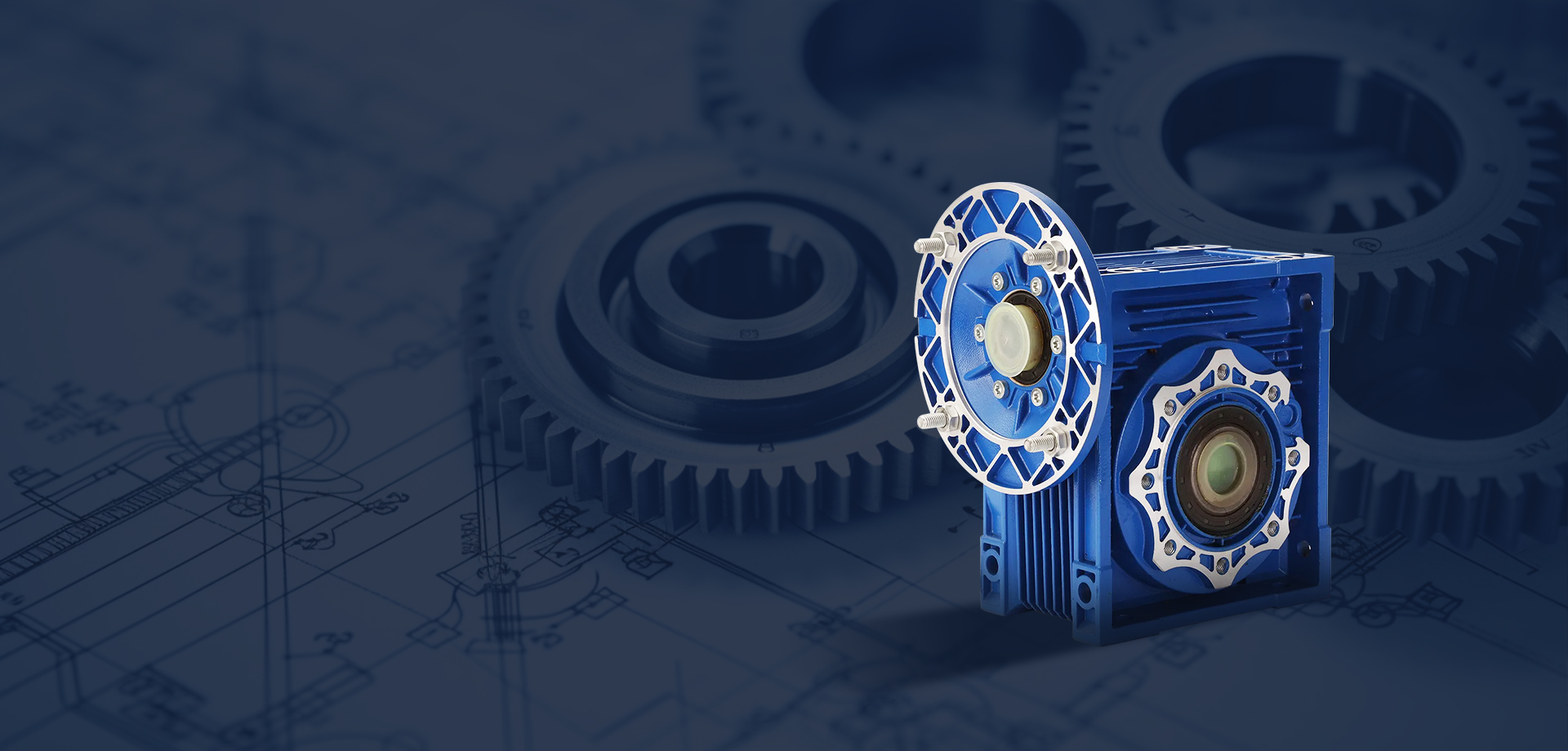
Quality is at the heart of everything we do

No diversions—just decades of refining helical, planetary, and parallel-shaft gearboxes for industrial applications.
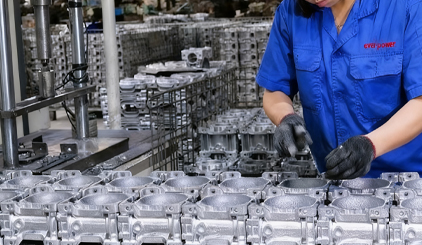

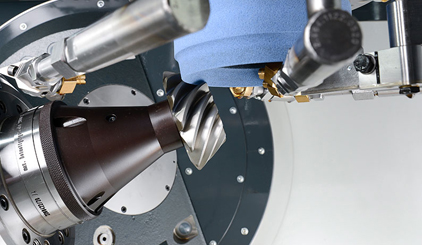
Critical processes like gear grinding, heat treatment, and housing machining are all done under one roof for consistent quality.

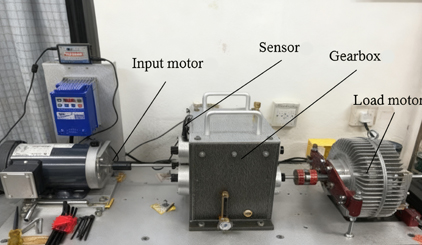
100% factory acceptance testing at rated torque with vibration, temperature, and leakage checks—test reports available on request.

Our engineers provide prompt troubleshooting, installation advice, and maintenance recommendations in English or Chinese—because your uptime matters.
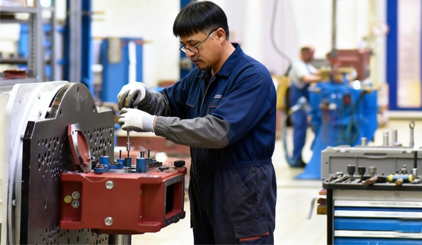
Explore our full range of rugged, precision-engineered gearboxes designed to optimize the efficiency and lifespan of wind turbines, solar tracking arrays, and advanced renewable energy manufacturing equipment.