Leave Your Message
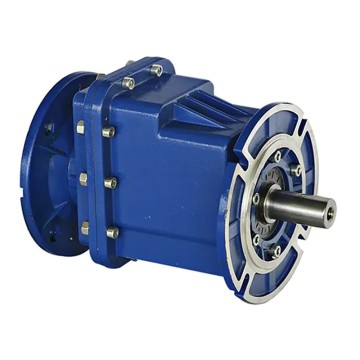
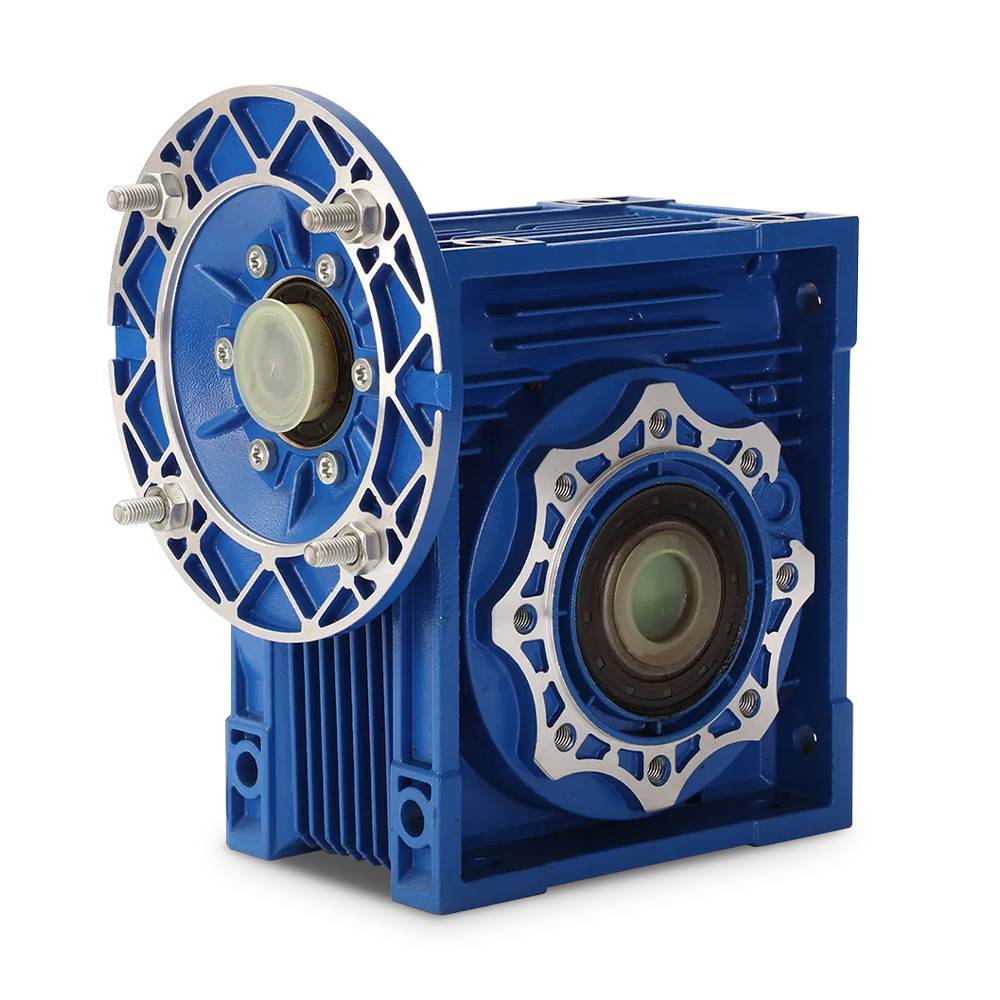
In the rapidly evolving landscape of global industrial automation, the Parallel Shaft Gearbox stands as the undisputed backbone of conveyor systems and material handling infrastructure. Designed meticulously with input and output shafts positioned parallel to each other, these robust mechanical devices are engineered to deliver exceptional torque transmission, unparalleled energy efficiency, and a highly compact footprint. Unlike other gear configurations, parallel shaft reducers allow for multiple gear stages within a single, narrow housing, making them the ultimate solution for space-constrained conveyor setups.
For conveyor systems—whether they are transporting lightweight parcels in an e-commerce fulfillment center or moving thousands of tons of raw ore in an open-pit mine—the demand for reliable continuous operation is absolute. A sudden gearbox failure can halt an entire production line, leading to catastrophic financial losses. Therefore, modern parallel shaft gearboxes for material handling are crafted from high-grade alloy steels, featuring precision-ground helical gears that ensure smooth, quiet, and vibration-free operation even under the most punishing loads. They are the silent workhorses driving the global supply chain forward.
The global market for material handling equipment is experiencing unprecedented growth. Driven by the explosive rise of e-commerce, rapid urbanization, and the transition toward Industry 4.0, intralogistics systems demand higher throughput. Parallel shaft gearboxes are experiencing a compound annual growth rate (CAGR) that outpaces traditional transmission systems, largely due to their modularity and adaptability to automated environments.
As mega-warehouses and automated storage and retrieval systems (AS/RS) become the industry standard, the requirement for precision power transmission has skyrocketed. Modern automated guided vehicles (AGVs) and smart conveyor belts rely heavily on compact parallel shaft gear drives to achieve the dynamic starting, stopping, and reversing required in high-speed sorting operations.
With global industries facing strict carbon emission regulations, energy efficiency is paramount. Parallel shaft gearboxes, particularly those utilizing helical gears, offer mechanical efficiencies exceeding 95%. When paired with IE4 or IE5 premium efficiency electric motors, these gearboxes significantly reduce the carbon footprint of massive material handling facilities.
The commercial reality of today's industrial sector dictates that equipment must do more with less. Supply chain optimization relies heavily on minimizing downtime. Consequently, the commercial procurement of parallel shaft gearboxes has shifted from a mere hardware purchase to a strategic investment in operational reliability. End-users in logistics, mining, and manufacturing are increasingly prioritizing Total Cost of Ownership (TCO) over initial purchase price, seeking gearboxes that offer extended service life, minimal maintenance requirements, and seamless integration with smart factory ecosystems.
The versatility of the parallel shaft gearbox allows it to be perfectly tailored for a vast array of material handling applications. Understanding these deep-dive scenarios illuminates why this specific gearbox architecture is so highly prized across diverse industrial sectors.
In heavy industries, overland conveyors can stretch for miles, transporting abrasive materials like coal, iron ore, or cement clinker. The parallel shaft gearboxes driving these massive belts are subjected to extreme shock loads, high levels of particulate contamination, and severe temperature fluctuations. In these scenarios, gearboxes are often equipped with heavy-duty cast-iron housings, advanced labyrinth sealing systems to keep dust out, and integrated cooling fans or liquid cooling systems. The parallel shaft design allows for high reduction ratios, generating the immense torque required to start a fully loaded, kilometer-long conveyor belt from a standstill without snapping the belt or burning out the motor.
Contrast the heavy mining environment with an Amazon or Alibaba fulfillment center. Here, the load is lighter, but the speed and frequency of operation are blistering. Cross-belt sorters and shoe sorters require gearboxes that offer high dynamic responsiveness. Parallel shaft gearboxes in these applications are optimized for low backlash and are often constructed with lightweight aluminum housings to reduce the overall weight of the conveyor modules. Their slim profile allows them to be mounted directly alongside the conveyor frame, saving critical floor space and allowing for tighter, more complex conveyor routing within the warehouse.
Material handling in the food processing industry introduces a unique set of challenges: strict hygiene standards. Conveyors moving raw meat, dairy, or baked goods must undergo rigorous daily washdowns with high-pressure, caustic cleaning chemicals. Parallel shaft gearboxes utilized here are often treated with specialized anti-corrosion coatings or are manufactured entirely from high-grade stainless steel. They feature smooth, crevice-free outer surfaces to prevent bacterial buildup and utilize food-grade (H1) synthetic lubricants. The enclosed parallel gear train ensures that zero contaminants enter the gearbox, and zero lubricants leak onto the food products.
In automotive manufacturing, overhead monorail systems and heavy-duty floor conveyors move vehicle chassis through various assembly and painting stations. These systems demand absolute synchronization and positional accuracy. Parallel shaft gearboxes provide the rigid power transmission necessary to ensure that a multi-ton vehicle frame arrives at the robotic welding station with millimeter precision. Their high torsional stiffness prevents the "spring" effect that can occur in lesser transmission systems, ensuring smooth, judder-free movement of the assembly line.
The future of the parallel shaft gearbox in conveyor systems is intrinsically linked to the rise of Artificial Intelligence (AI) and the Industrial Internet of Things (IIoT). We are witnessing the evolution of the gearbox from a purely mechanical component to an intelligent, data-generating node within the smart factory network.
Predictive Maintenance via IoT Integration: The most significant trend is the integration of smart sensors directly into the gearbox housing. These sensors continuously monitor vibration signatures, oil temperature, acoustic emissions, and load variations. AI algorithms analyze this real-time data in the cloud, learning the baseline operational profile of the conveyor system. When the AI detects micro-anomalies—such as a slight change in gear mesh frequency indicating early-stage bearing wear—it alerts maintenance teams weeks before a physical failure occurs. This shift from reactive to predictive maintenance virtually eliminates unplanned downtime.
Advanced Materials and Tribology: Metallurgical advancements are leading to gears that are lighter yet stronger. The use of advanced forging techniques, cryogenic treatments, and specialized surface coatings (like diamond-like carbon) is drastically reducing internal friction. This not only improves efficiency but also reduces the operating temperature of the gearbox, extending the life of the lubricating oil and the seals.
Mechatronic Integration: The boundary between the motor, the variable frequency drive (VFD), and the gearbox is blurring. Future material handling systems will increasingly utilize highly integrated mechatronic drive units where a decentralized inverter, a permanent magnet synchronous motor, and a parallel shaft gearbox are combined into a single, compact, plug-and-play module. This drastically reduces wiring complexity and installation time for massive conveyor networks.
HANGZHOU EVER-POWER TRANSMISSION CO., LTD. (HZPT) is a leading manufacturer and global supplier of high-performance gearboxes, specializing in the design, development, and production of industrial and agricultural transmission systems, with a particular focus on advanced solutions for conveyor systems and material handling.
With over 15 years of deep-rooted experience in the power transmission industry, HZPT has successfully grown into a modern enterprise integrating R&D, manufacturing, sales, and service. We proudly serve a diverse clientele in more than 60 countries across Asia, Europe, North America, and Africa, empowering global supply chains with reliable drive technology.
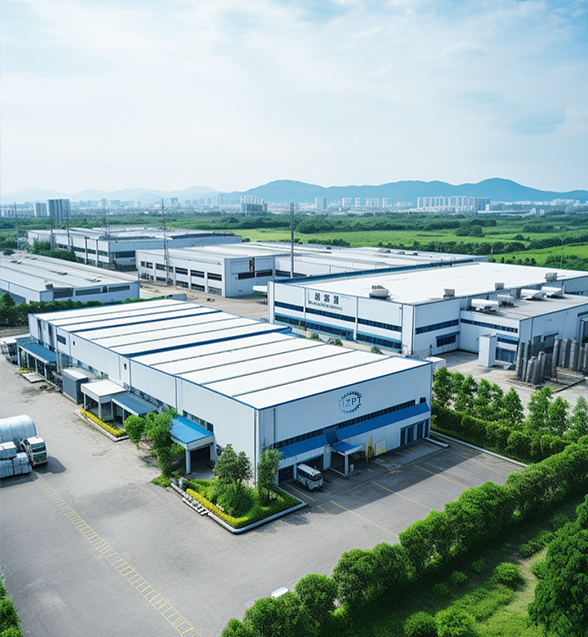
Our state-of-the-art manufacturing base spans over 80,000 square meters. It is fully equipped with advanced CNC machining centers, precision gear grinding machines, automated assembly lines, and comprehensive testing facilities. We operate a fully integrated production system that ensures consistent, uncompromising quality from raw material sourcing to final product delivery.
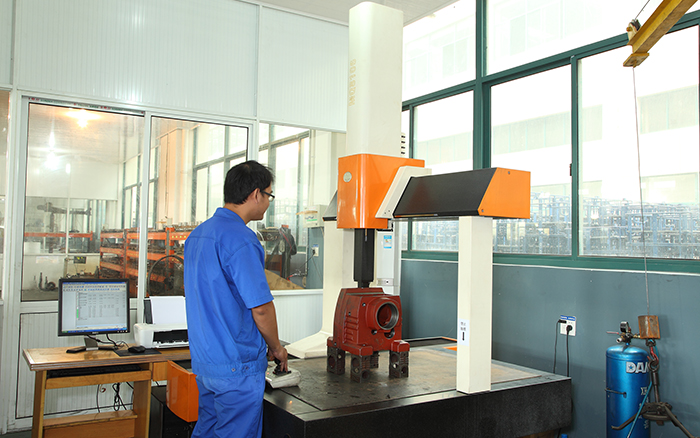
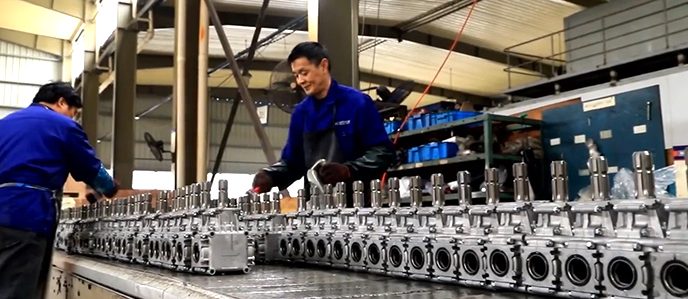
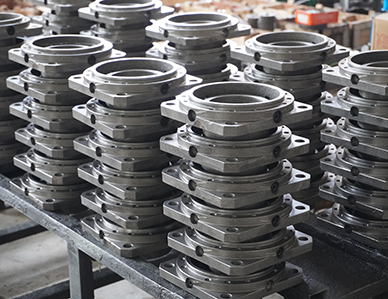
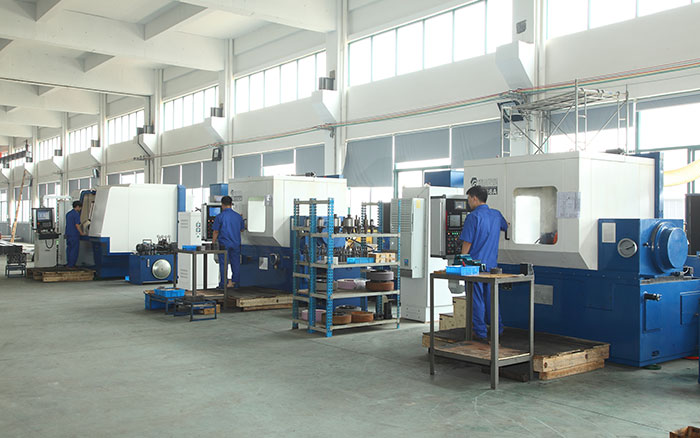
Our engineering team, led by veterans with over 15+ years of industry experience, is the core of our innovation. We maintain active "Industry-University-Research" collaborations with leading institutions to pioneer advancements in gear geometry, materials science, and tribology specifically tailored for material handling.
Our production floor is staffed by highly trained technicians, with over 30% holding advanced technical certifications. Their craftsmanship is embedded in every product. Our leadership team brings international expertise, steering the company with a clear vision for sustainable growth and technological leadership.
Our commitment to quality and innovation is validated by third-party accreditations and intellectual property. We hold 30+ national patents, including 5 invention patents. These cover key areas like "Modular Housing Design," "High-Efficiency Helical-Herringbone Gear Profiles," "Integrated Cooling Systems," and "Proprietary Surface Treatment Processes."