Leave Your Message
Explore our top-tier precision gearboxes designed to optimize torque conversion and reliability in clean energy applications.
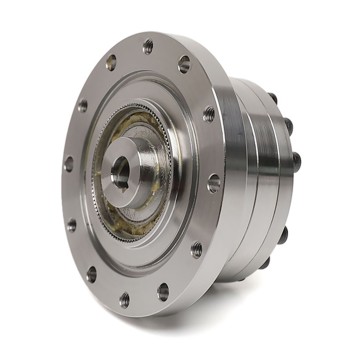
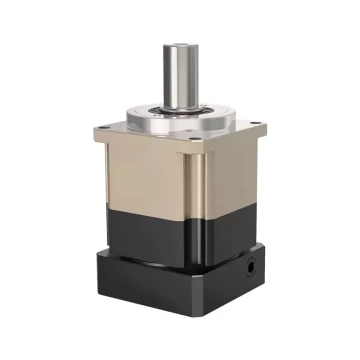
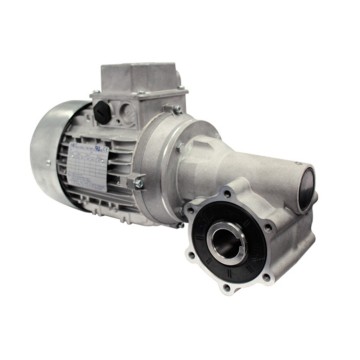
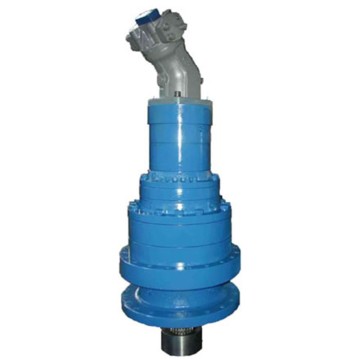
As the global energy paradigm undergoes a rapid shift toward sustainability, wind power and other renewable energy sources have transitioned from alternative technologies to mainstream power generation infrastructures. At the heart of this mechanical revolution lies the inline helical gearbox. These gearboxes are essential components that bridge the gap between kinetic force capture and electrical grid integration. By providing high-efficiency speed reduction and torque multiplication, inline helical gearboxes ensure that modern renewable installations operate at peak performance, regardless of environmental challenges.
Unlike conventional industrial transmission systems, gearboxes deployed in renewable energy systems must withstand highly variable loads, extreme temperature fluctuations, and continuous operation cycles. The inline helical design is uniquely suited for these demanding conditions. Its coaxial alignment, coupled with helical gears cut at precise angles, allows for progressive and smooth tooth engagement. This mechanical configuration minimizes friction, reduces thermal losses, and offers superior torque density, making it an indispensable asset in modern wind turbine nacelles, solar tracking arrays, and hydroelectric generators.
Engineered to minimize mechanical friction and maximize energy output from wind and hydro sources.
Compact coaxial design capable of handling extreme loads within space-constrained nacelles.
Built with premium alloys and advanced lubrication systems for maintenance-free operation.
The commercial landscape for renewable energy transmission systems is experiencing unprecedented growth. According to global industrial market analyses, the demand for high-capacity wind turbine gearboxes is projected to grow at a compound annual growth rate (CAGR) of over 6.5% through the next decade. This growth is driven by the rapid scaling of both onshore and offshore wind farms, alongside the modernization of aging turbine fleets.
Industrially, the trend is moving toward larger, multi-megawatt turbines. While older turbines typically operated in the 1.5 MW to 3 MW range, modern offshore installations routinely exceed 10 MW, with designs pushing toward 15 MW and beyond. This massive scaling places immense physical stress on the drive train. Consequently, the industry is shifting away from standard spur gear arrangements toward advanced inline helical and planetary-helical combination gearboxes. These hybrid systems distribute load forces across multiple gear meshes, mitigating the risk of premature tooth wear and micro-pitting, which are the leading causes of gearbox failure in offshore environments.
Furthermore, supply chain localization and manufacturing precision have become critical competitive factors. Leading global suppliers, particularly those based in advanced manufacturing hubs in China, are investing heavily in state-of-the-art CNC gear grinding centers and automated heat treatment facilities. By maintaining micron-level tolerances, these manufacturers can guarantee the reliability required by international utility companies, thereby reducing the Levelized Cost of Energy (LCOE) for wind power worldwide.
In wind turbines, capturing maximum wind energy requires continuous adjustment of the turbine's orientation. This is handled by two critical systems: the yaw drive and the pitch drive. The yaw drive rotates the entire nacelle atop the tower to face the wind, while the pitch drive rotates the individual rotor blades to optimize their angle of attack.
Both systems rely on high-ratio inline helical planetary gearboxes. Because wind direction and velocity change constantly, these gearboxes must endure frequent start-stop cycles, high static loads, and sudden reverse torques during storm conditions. The inline helical configuration provides the high torsional stiffness and low backlash required to position the massive blades and nacelle with millimeter precision, preventing structural damage and maximizing aerodynamic efficiency.
Solar energy systems are increasingly utilizing active tracking to follow the sun's path throughout the day, boosting energy yields by up to 25-30% compared to fixed installations. In Concentrated Solar Power (CSP) plants, giant heliostat mirrors focus sunlight onto a central receiver. This requires tracking gearboxes to operate with micro-radian accuracy under heavy wind loads.
Inline helical gear reducers are selected for solar trackers due to their self-locking capabilities (when combined with worm stages) and high output torque. The inline design allows for a compact footprint that integrates cleanly into the tracker's structural torque tubes, protecting the internal gear components from abrasive desert sand and extreme ambient heat.
Tidal and run-of-river hydroelectric systems present some of the most hostile operating environments for mechanical machinery. Water is dense, and flow rates are relatively slow, meaning the turbine blades rotate at low speeds but generate massive torque.
To convert this slow rotation into the high speeds required by standard electrical generators, speed-increasing inline helical gearboxes are utilized. These units are sealed to IP68 standards or housed in dry chambers, requiring advanced sealing technology to prevent water ingress. The high mechanical efficiency of helical gearing is vital here, as any energy lost to friction directly reduces the overall efficiency of the hydroelectric plant.
The future of inline helical gearboxes in the renewable sector is intrinsically linked to digital transformation and material science. As wind farms move further offshore and into remote locations, physical inspections become economically unfeasible. This has catalyzed the development of Smart Gearboxes equipped with integrated IoT sensors. These sensors continuously monitor vibration profiles, oil temperature, moisture levels, and acoustic emissions. By analyzing this data using AI-driven predictive maintenance algorithms, operators can detect micro-cracks or lubrication degradation months before a failure occurs, scheduling maintenance during planned downtime.
On the material side, manufacturers are adopting advanced metallurgical processes. The use of high-purity alloy steels, vacuum carburizing, and shot peening has significantly increased the surface hardness and core toughness of gear teeth. Additionally, the development of synthetic biodegradable lubricants ensures that even in the rare event of a leak, environmental damage to marine or terrestrial ecosystems is minimized.
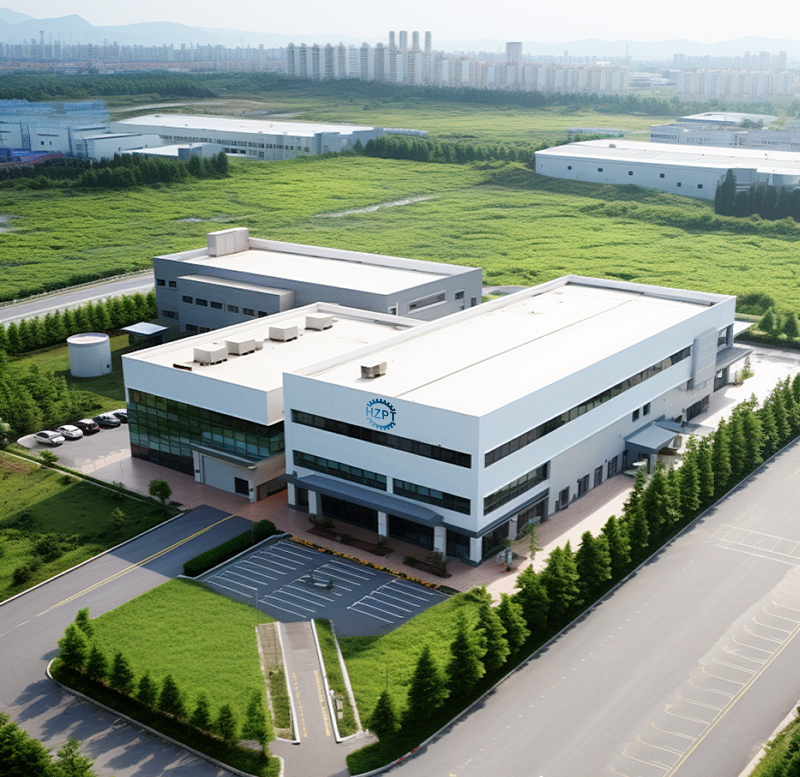

HANGZHOU EVER-POWER TRANSMISSION CO., LTD. (HZPT) is a leading manufacturer and global supplier of high-performance gearboxes, specializing in the design, development, and production of industrial and agricultural transmission systems. With over 15 years of experience in the power transmission industry, HZPT has grown into a modern enterprise integrating R&D, manufacturing, sales, and service, serving customers in more than 60 countries across Asia, Europe, North America, and Africa.
Our manufacturing base spans over 80,000 square meters, equipped with advanced CNC machining centers, precision gear grinding machines, automated assembly lines, and state-of-the-art testing facilities. We operate a fully integrated production system that ensures consistent quality from raw material sourcing to final product delivery.
Our high-precision transmission systems are engineered to perform reliably across diverse industrial and agricultural sectors.


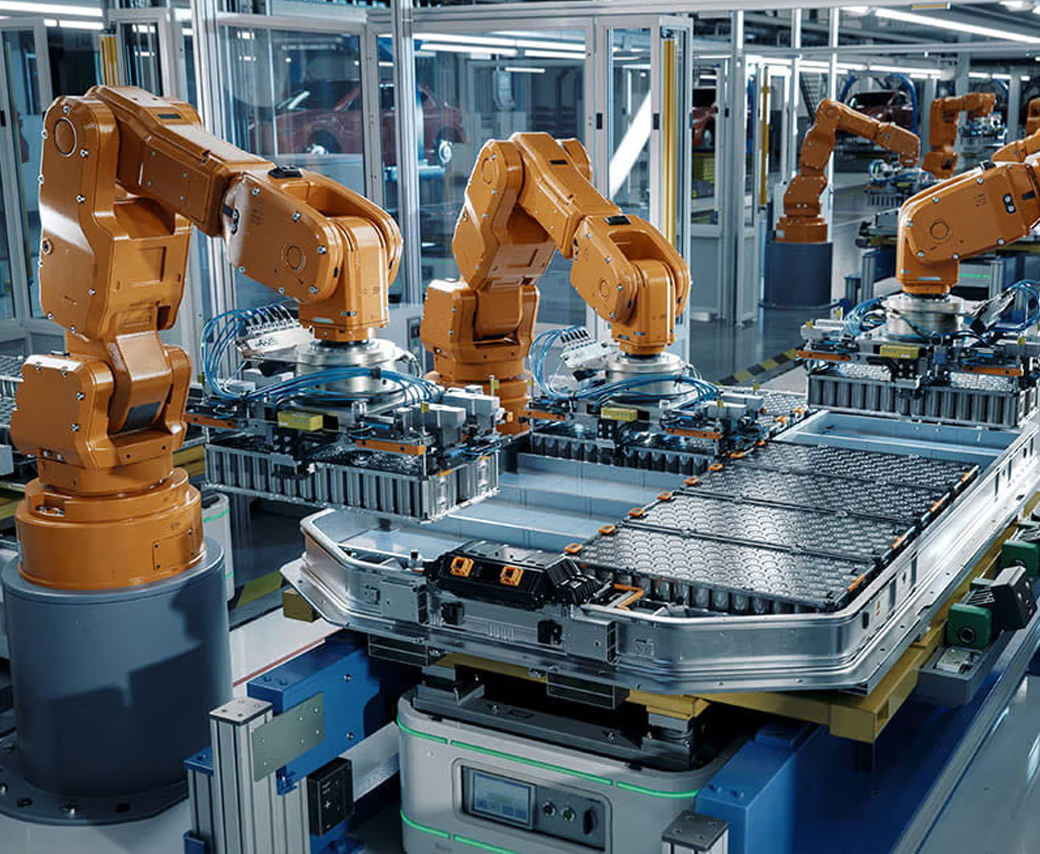
Explore our full catalog of high-torque, high-efficiency gear reducers engineered for heavy-duty industrial and green energy applications.