Leave Your Message
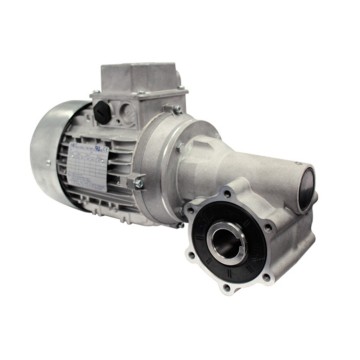
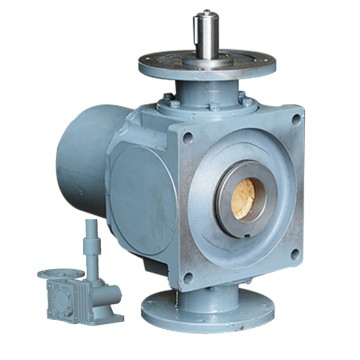
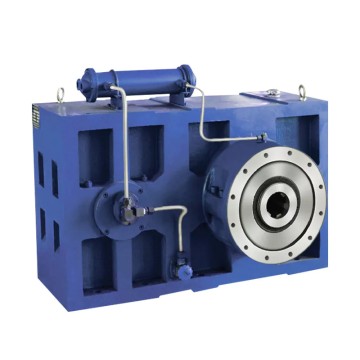
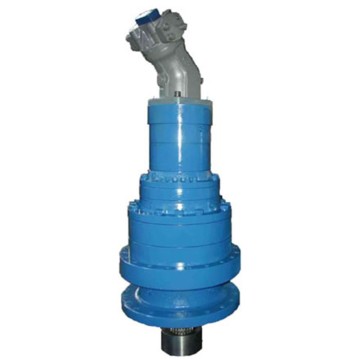
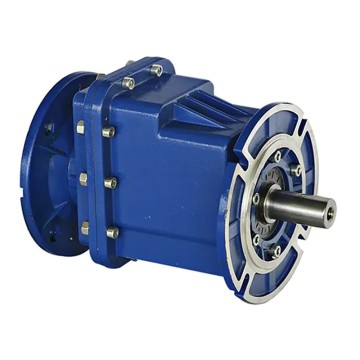
Discover our top-tier inline helical gearboxes optimized for heavy-duty agricultural applications.
The global agricultural landscape is undergoing a massive transformation. With the world population projected to reach nearly 10 billion by 2050, the demand for food security has never been more critical. This exponential demand places an unprecedented burden on agricultural machinery and equipment. To meet these yield requirements, modern farming has shifted from manual labor to highly mechanized, continuous-operation systems. At the very heart of these robust machines lies the Inline Helical Gearbox. Known for its exceptional efficiency, compact footprint, and ability to handle immense axial and radial loads, the inline helical gearbox is the silent powerhouse driving tractors, combine harvesters, irrigation pivots, and feed processing units worldwide.
Commercially, the agricultural gearbox market is experiencing rapid growth. Farmers and agribusinesses are no longer looking for just any power transmission component; they are demanding high-durability, low-maintenance solutions that minimize downtime. An equipment failure during the critical harvest window can result in devastating financial losses. Therefore, the industrial status of the inline helical gearbox has elevated from a simple mechanical component to a critical asset for agricultural risk management. Manufacturers are now utilizing advanced metallurgy, precision gear grinding, and optimized tooth profiles to ensure that these gearboxes can withstand the harsh, dusty, and high-moisture environments typical of agricultural settings.
Unlike traditional spur gears that engage abruptly, the angled teeth of an inline helical gearbox engage gradually. This results in significantly smoother operation, reduced vibration, and lower noise levels. More importantly, this gradual engagement distributes the load across multiple teeth simultaneously, drastically increasing the torque capacity and lifespan of the gearbox—a vital feature for heavy-duty agricultural machinery.
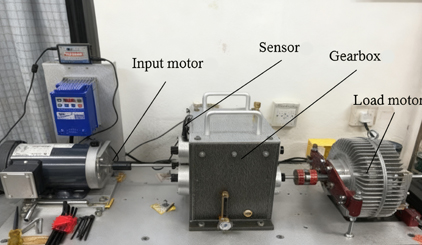
As we step deeper into the era of Agriculture 4.0, the inline helical gearbox is evolving alongside smart farming technologies. The integration of Artificial Intelligence (AI) and the Internet of Things (IoT) is becoming a prominent trend. Modern high-end gearboxes are increasingly being equipped with smart sensors that monitor vibration, temperature, and oil quality in real-time. This predictive maintenance capability allows farmers to address potential wear and tear before it leads to catastrophic failure, thereby optimizing the lifecycle of their agricultural machinery.
Another significant trend is the push towards lightweight yet ultra-strong materials. As soil compaction becomes a major concern for crop yields, agricultural equipment manufacturers are striving to reduce the overall weight of their machines. Gearbox engineers are responding by utilizing high-grade aluminum alloys for housings where appropriate, and advanced carbon-infused steel for the internal gears. This maintains the high torque output required for agricultural tasks while shedding unnecessary weight.
Furthermore, environmental sustainability is shaping the future of gearbox lubrication. The industry is seeing a shift towards biodegradable, eco-friendly synthetic lubricants. These advanced lubricants not only reduce the friction and heat within the inline helical gearbox—thereby increasing its energy efficiency—but also ensure that in the rare event of a leak, the soil and crops remain uncontaminated. The focus on sealing technology, such as multi-lip Viton seals, has also intensified to prevent dust, mud, and water ingress, which are the primary enemies of agricultural equipment.
Combine harvesters are complex machines that perform reaping, threshing, and winnowing in a single process. The inline helical gearbox plays a pivotal role in driving the header, the threshing drum, and the unloading auger. During the harvest, these components are subjected to severe shock loads as they encounter varying crop densities and occasional foreign objects like rocks. The high shock-load resistance of helical gears ensures that power is transmitted smoothly without stripping teeth. The inline configuration is particularly beneficial here, as space within the harvester chassis is highly restricted, and the coaxial alignment of the input and output shafts saves valuable real estate.
Water management is critical in modern agriculture. Center pivot irrigation systems operate continuously for days or weeks, moving massive, water-laden pipes across vast fields. The wheel drives of these systems rely heavily on inline helical gearboxes. These gearboxes must deliver extremely high torque at very low speeds to move the heavy structure through muddy, uneven terrain. Moreover, because they operate outdoors 24/7, they are exposed to heavy rain, extreme UV radiation, and freezing temperatures. Gearboxes designed for this application feature specialized anti-corrosion coatings and hermetic sealing to guarantee uninterrupted power transmission regardless of the weather.
In the livestock sector, feed mixers and plastic/feed extruders require consistent, high-torque power to blend heavy, dense materials like silage, grains, and supplements. The Inline Helical Gearbox is favored in these applications due to its high efficiency (often exceeding 95%). This efficiency translates to lower energy consumption for the electric motors or PTO (Power Take-Off) shafts driving them. In extrusion processes, where immense back-pressure is generated, the robust thrust bearings integrated into these gearboxes absorb the axial loads, preventing motor damage and ensuring a uniform feed mixture.
Precision agriculture relies on the exact distribution of seeds and fertilizers. Modern automated seeding robots and fertilizer spreaders use precision inline helical gearboxes to control the rotational speed of the spreading discs or seeding mechanisms. The minimal backlash inherent in high-quality helical gears ensures that the distribution is perfectly synchronized with the ground speed of the tractor or robot, preventing costly over-application or under-application of agricultural chemicals.
Our journey is one of continuous evolution and strategic expansion in the power transmission industry.
We invest in world-class technology to ensure every product that leaves our facility is built to excel.
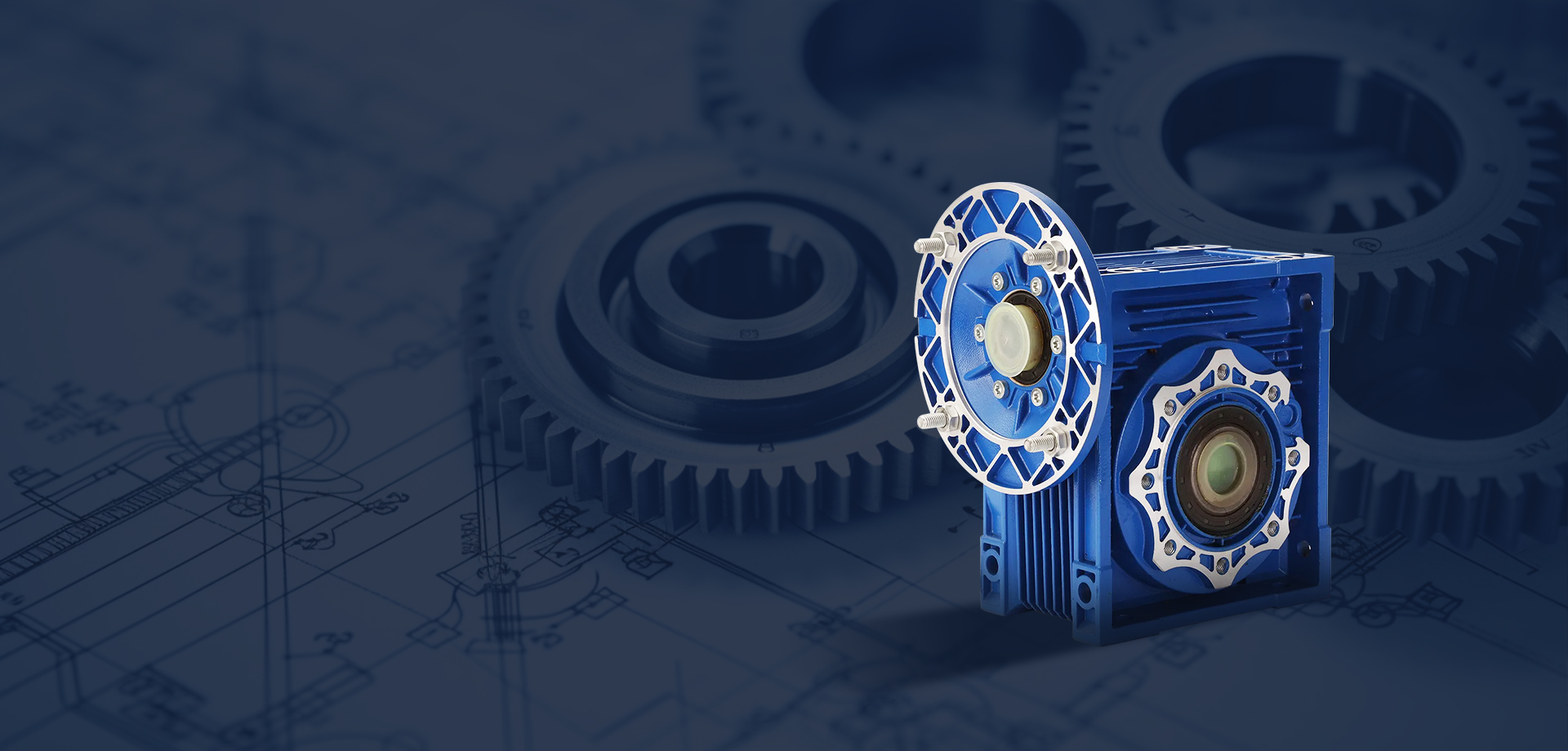
Quality is at the heart of everything we do for agricultural machinery.

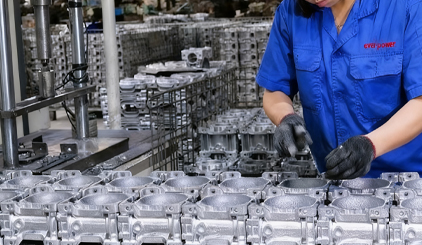

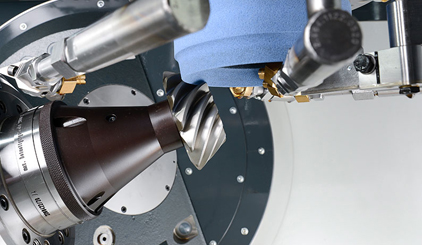


For agricultural operators, the Return on Investment (ROI) of an inline helical gearbox is measured by its longevity and the reduction of maintenance-induced downtime. When evaluating agricultural equipment, the total cost of ownership extends far beyond the initial purchase price. A gearbox failure during the peak of the harvesting season can cost thousands of dollars per hour in lost productivity and crop spoilage. By investing in premium inline helical gearboxes, farmers are essentially buying an insurance policy against mechanical failure.
While our gearboxes are engineered for extreme durability, adhering to a strict maintenance protocol extends their operational life significantly. 1. Regular Oil Analysis: In high-dust agricultural environments, microscopic contaminants can bypass even the best seals over time. Regular oil sampling can detect early signs of gear wear or contamination. 2. Thermal Monitoring: Excessive heat is a primary indicator of overloading or lubrication failure. Utilizing infrared thermometers during heavy operations like deep tilling or forage harvesting can preemptively identify issues. 3. Proper Storage: During the off-season, machinery should be stored in dry conditions, and gearboxes should be run periodically to ensure internal components remain coated in protective oil, preventing condensation-induced rust.
Ultimately, the synergy between high-precision manufacturing and intelligent application makes the inline helical gearbox an indispensable component for the future of agriculture. As machinery grows larger, smarter, and more powerful, the demands on power transmission will only increase. Our commitment to utilizing state-of-the-art CMM inspection, full-load performance testing, and rigorous metallurgical analysis guarantees that our gearboxes will continue to drive the agricultural industry forward, ensuring global food security through unmatched mechanical reliability.
Explore our full range of power transmission products designed to elevate your farming operations.