Leave Your Message
Discover our top-tier industrial gearboxes engineered specifically for the extreme demands of wind turbines and renewable energy infrastructures.
The global energy paradigm is undergoing a monumental shift. As nations strive to meet ambitious carbon neutrality targets by 2050, renewable energy systems—particularly wind and solar power—have moved from alternative energy sources to the backbone of the global power grid. At the absolute heart of this mechanical revolution lies the industrial gearbox for wind power and renewable energy systems. These highly engineered power transmission units are responsible for converting the low-speed, high-torque rotation of wind turbine blades into the high-speed rotation required by the generator to produce electricity.
From a commercial perspective, the industrial gearbox market for renewable energy is experiencing unprecedented growth. The Levelized Cost of Energy (LCOE) for wind power has plummeted over the last decade, making it highly competitive with fossil fuels. However, this economic viability places immense pressure on the supply chain and manufacturing sectors. Modern wind turbines are no longer the sub-megawatt machines of the early 2000s; today, onshore turbines routinely exceed 4MW to 6MW, while offshore behemoths are pushing past the 15MW threshold. This scaling up demands gearboxes that can handle exponentially higher torque loads while maintaining a compact footprint to fit within the turbine's nacelle.
Furthermore, the offshore wind sector presents a unique industrial challenge. The harsh marine environment, characterized by corrosive saltwater, extreme wind shears, and difficult maintenance access, dictates that offshore wind gearboxes must achieve near-zero failure rates. A single gearbox failure offshore can result in millions of dollars in lost revenue and crane vessel deployment costs. This reality has driven the industry toward highly specialized, ruggedized gearbox solutions, a field where precision engineering and rigorous quality control are non-negotiable.
Industrial gearboxes are not one-size-fits-all. In the realm of renewable energy, different mechanisms require highly specialized transmission solutions.
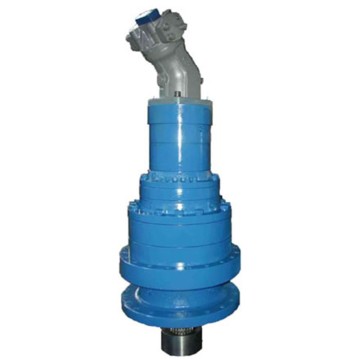
The main gearbox is the heavy lifter of the wind turbine. Positioned between the main shaft and the generator, its primary function is kinematic step-up. The rotor blades typically turn at a slow rate of 10 to 20 revolutions per minute (RPM) depending on wind speed. The generator, however, requires speeds of 1,200 to 1,800 RPM to generate grid-frequency electricity. To achieve this massive ratio, main gearboxes utilize a complex combination of planetary and helical gear stages. The planetary stages handle the immense incoming torque from the rotor, distributing the load across multiple planet gears, while the high-speed helical stages provide the final velocity step-up. The precision required here is staggering; microscopic deviations in gear teeth can lead to localized stress concentrations, micro-pitting, and eventual catastrophic failure.
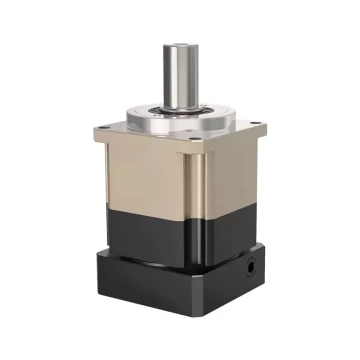
Beyond the main drive, wind turbines rely heavily on secondary gear systems for optimal performance and safety. Pitch drives are mounted inside the rotor hub and are responsible for rotating the individual turbine blades along their longitudinal axis. This allows the turbine to optimize the blade angle for maximum aerodynamic efficiency in low winds, and to "feather" the blades to stop the rotor during dangerous storm conditions. Yaw drives are located at the base of the nacelle, rotating the entire top heavy structure to ensure the rotor is always facing directly into the wind. Both Pitch and Yaw systems heavily utilize Planetary Gearboxes due to their high torque density and ability to handle extreme shock loads during turbulent wind gusts.
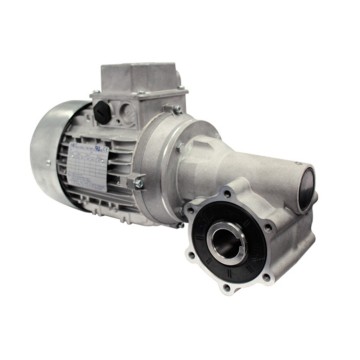
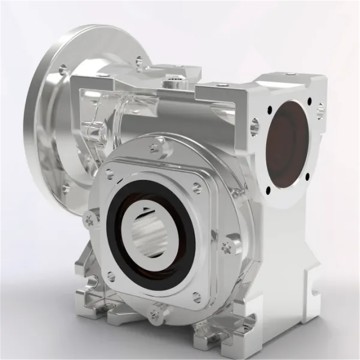
While wind power is a primary application, industrial gearboxes are equally vital in utility-scale solar farms. Single-axis and dual-axis solar tracking systems use slewing drives and specialized worm or planetary gearboxes to slowly rotate solar panels, following the sun's trajectory across the sky. This tracking ability can increase a solar farm's energy yield by up to 25% compared to fixed-tilt installations. Gearboxes in these applications must feature extremely low backlash to prevent wind-induced panel fluttering, and must be sealed against severe dust and thermal fluctuations found in desert environments.
Emerging renewable sectors like tidal and river-current power rely on underwater turbines. The industrial gearboxes used here face the ultimate test of sealing and corrosion resistance. Often constructed with specialized stainless steel housings (similar to our SSRV Series) and utilizing advanced marine-grade seals, these gearboxes step up the slow rotation of water-driven blades. The density of water means these gearboxes experience continuous, massive torque loads, requiring exceptional structural integrity.
As the renewable energy sector matures, the engineering behind the Industrial Gearbox For Wind Power And Renewable Energy Systems is evolving rapidly. The intersection of traditional mechanical engineering with cutting-edge digital technology is creating a new generation of "smart" power transmission systems.
Historically, gearbox maintenance was either reactive (fixing it when it breaks) or schedule-based (replacing parts every few years regardless of condition). Today, the trend is firmly shifting towards AI-driven predictive maintenance. Modern wind turbine gearboxes are embedded with an array of IoT sensors that monitor vibration frequencies, acoustic emissions, oil temperature, and even the microscopic metallic debris in the lubrication fluid. This real-time data is fed into AI algorithms that create a "Digital Twin" of the gearbox in the cloud. By analyzing this data, AI can predict a bearing failure or gear tooth crack months before it happens, allowing operators to schedule maintenance during low-wind periods, drastically reducing downtime and operational costs.
To meet the demand for higher torque density without increasing the physical size of the gearbox, manufacturers are turning to advanced materials science. Clean-steel technology is being used to eliminate microscopic non-metallic inclusions in the steel matrix, which are common starting points for fatigue cracks. Furthermore, proprietary surface treatments, such as advanced carburizing, nitriding, and specialized shot peening, are being applied to gear teeth to create a hardened outer shell while maintaining a tough, ductile core capable of absorbing shock loads.
To combat supply chain bottlenecks and reduce lead times, the industry is moving towards modular gearbox designs. Instead of custom-engineering every component for a specific turbine, manufacturers are developing standardized planetary and helical modules that can be combined in various configurations to meet different torque and ratio requirements. This not only speeds up production but also simplifies the spare parts inventory for wind farm operators.
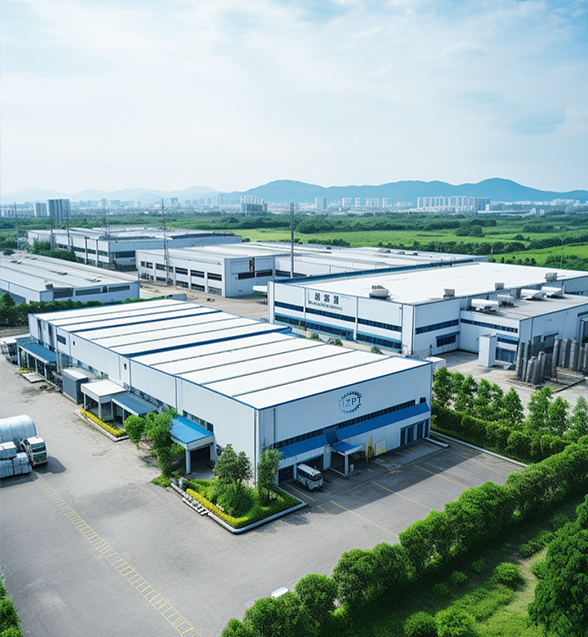
HANGZHOU EVER-POWER TRANSMISSION CO., LTD. (HZPT) is a leading manufacturer and global supplier of high-performance gearboxes, specializing in the design, development, and production of industrial and agricultural transmission systems. With over 15 years of experience in the power transmission industry, HZPT has grown into a modern enterprise integrating R&D, manufacturing, sales, and service, serving customers in more than 60 countries across Asia, Europe, North America, and Africa. As the demand for renewable energy surges, we have positioned ourselves at the forefront of providing robust transmission solutions for wind, solar, and hydro applications.
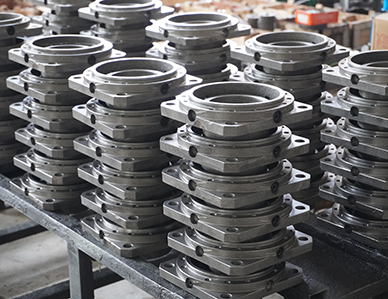
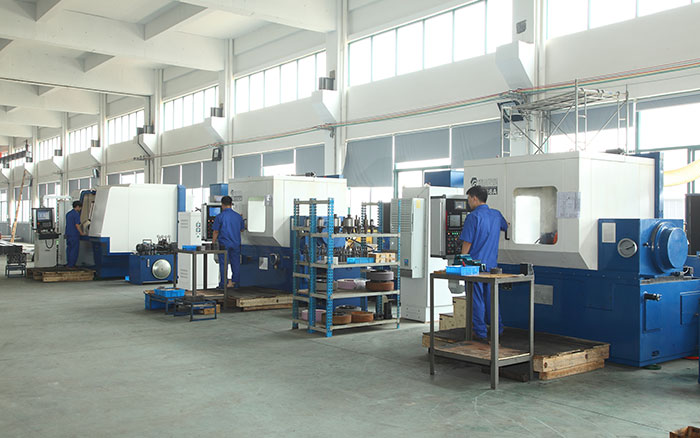
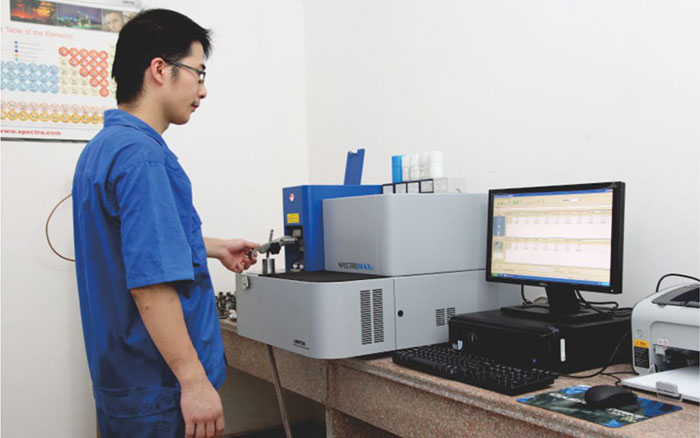
Our manufacturing base spans over 80,000 square meters, equipped with advanced CNC machining centers, precision gear grinding machines, automated assembly lines, and state-of-the-art testing facilities. We operate a fully integrated production system that ensures consistent quality from raw material sourcing to final product delivery. This massive infrastructure allows us to meet the high-volume demands of the global renewable energy supply chain without compromising on the microscopic precision required for wind turbine components.
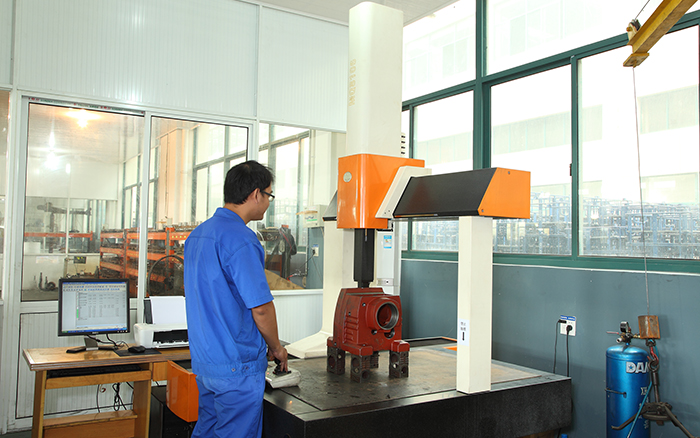
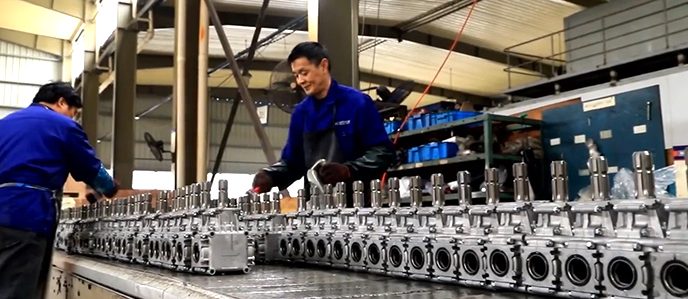
The transition to renewable energy is driven by human ingenuity. At HZPT, our human capital is our greatest asset.
R&D Department: Our engineering team, led by veterans with over 15+ years of industry experience, is the core of our innovation. We maintain active "Industry-University-Research" collaborations with leading institutions to pioneer advancements in gear geometry, materials science, and tribology specifically tailored for wind power and renewable energy applications.
Skilled Workforce: Our production floor is staffed by highly trained and experienced technicians, with over 30% holding advanced technical certifications. Their craftsmanship and attention to detail are embedded in every product we build, ensuring that every gearbox can withstand the rigors of offshore and onshore environments.
Management: Our leadership team brings international expertise and modern management practices, steering the company with a clear vision for sustainable growth and technological leadership in the green energy sector.
Our commitment to quality and innovation is validated by third-party accreditations and intellectual property.
We hold 30+ national patents, including 5 invention patents. These cover key areas highly relevant to the renewable sector, like "Modular Housing Design," "High-Efficiency Helical-Herringbone Gear Profiles," "Integrated Cooling Systems," and "Proprietary Surface Treatment Processes."



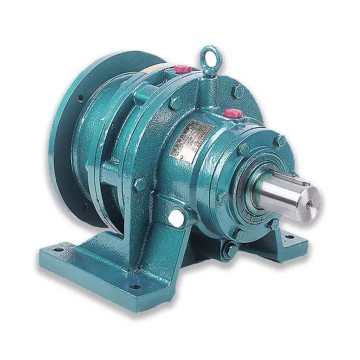
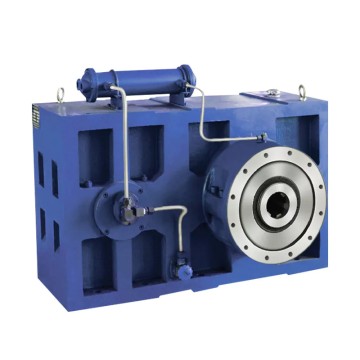
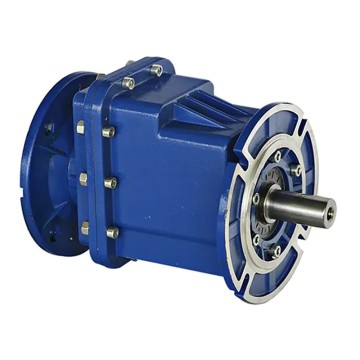
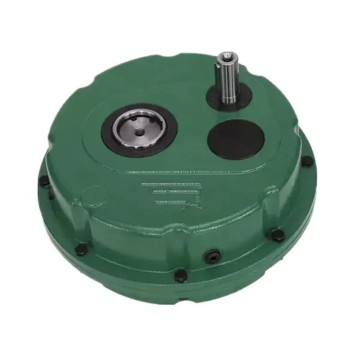
Explore our full range of industrial gearboxes designed to optimize power transmission across various green energy platforms.