
Leave Your Message
Discover our top-tier industrial gearboxes engineered specifically for the rigorous demands of wastewater treatment plants and ecological infrastructure.
The global transition towards sustainable environmental management has placed unprecedented demands on municipal and industrial infrastructure. At the very heart of these critical operations lies the Industrial Gearbox for Wastewater Treatment and Environmental Systems. These mechanical drive units are not merely components; they are the vital organs that ensure the continuous, reliable, and energy-efficient processing of water, sludge, and environmental waste. Operating 24/7 in some of the most unforgiving, corrosive, and heavily loaded environments on the planet, the modern industrial gearbox must embody the pinnacle of metallurgical science, precision engineering, and smart technology integration.
The contemporary landscape of wastewater treatment is driven by strict governmental regulations, such as the EPA guidelines in the United States and the Water Framework Directive in the European Union. These legislative frameworks mandate higher effluent quality, which in turn requires more sophisticated processing equipment. Consequently, the market for robust power transmission solutions in environmental systems is experiencing exponential growth.
Historically, water treatment facilities relied on standard, off-the-shelf gear reducers. However, the industry has realized that the Total Cost of Ownership (TCO) heavily favors specialized industrial gearboxes. A standard gearbox failing in a primary clarifier can lead to millions of gallons of untreated wastewater bypassing the system, resulting in catastrophic ecological damage and massive regulatory fines. Today, plant managers and municipal engineers prioritize extreme reliability, demanding gearboxes with exceptionally high service factors, specialized anti-corrosion coatings, and extended mean time between failures (MTBF). The commercial focus has shifted from initial capital expenditure (CAPEX) to long-term operational expenditure (OPEX) optimization.
Aeration is the most energy-intensive process in biological wastewater treatment, often accounting for 50% to 70% of a plant's total energy consumption. Surface aerators require gearboxes that can handle massive vertical loads and continuous dynamic shocks as the aerator blades churn through dense fluid. RC Series Helical Gearboxes and specialized bevel-helical units are deployed here. These gearboxes must feature extended bearing spans, heavy-duty output shafts, and advanced dry-well sealing systems to prevent oil leakage into the aeration basin—a critical environmental compliance requirement. The precise gearing ensures maximum torque transfer from the motor to the impeller, optimizing oxygen transfer efficiency (OTE) and fostering the growth of aerobic bacteria.
Clarifiers are massive circular or rectangular tanks where suspended solids settle out of the water. The scraper mechanisms that move this settled sludge operate at incredibly low speeds but require monumental torque. This is the domain of the High Precision Planetary Gearbox and the Cycloidal Reducer. Planetary designs offer an exceptional torque-to-weight ratio, allowing for compact installations on clarifier bridges. Because the scraper blades can encounter unexpected resistance (such as heavy debris or compacted sludge), these gearboxes are equipped with mechanical shear pins or electronic torque limiters to prevent catastrophic structural failure. The steady, unyielding power provided by these gearboxes ensures the continuous removal of sludge, preventing septic conditions within the clarifier.
Once sludge is collected, its volume must be reduced before disposal or incineration. Decanter centrifuges and sludge screw presses are utilized for this purpose. In screw presses, specialized extrusion gearboxes (similar to the ZLYJ Series) provide the high axial thrust capacity necessary to squeeze water from the biosolids. Decanter centrifuges, operating at high speeds, require highly specialized differential gearboxes (often cyclo or planetary) that can maintain a precise speed difference between the centrifuge bowl and the internal scroll. The precision of these gears directly impacts the dryness of the final sludge cake. Drier sludge means significantly lower transportation and disposal costs, making the gearbox a direct driver of commercial profitability for the treatment plant.
Managing the flow of millions of gallons of water requires massive sluice gates and Archimedes screw pumps. Screw Jack Gearboxes (SWL Series) are integral to the precise lifting and lowering of heavy floodgates and isolation valves. These units must be highly resistant to the elements, often requiring stainless steel construction (like the SSRV Series) to withstand the highly corrosive hydrogen sulfide (H2S) gases prevalent in sewer networks and inlet works.
The future of the Industrial Gearbox for Wastewater Treatment is intrinsically linked to the Fourth Industrial Revolution (Industry 4.0). We are witnessing a paradigm shift from reactive maintenance to AI-driven Predictive Maintenance (PdM). Modern gearboxes are no longer just mechanical lumps of iron; they are smart nodes within an Industrial Internet of Things (IIoT) network.
Advanced environmental gearboxes are now factory-fitted with arrays of sensors measuring multidimensional vibration, acoustic emissions, oil temperature, and particulate contamination. This data is streamed in real-time to cloud-based AI algorithms. By establishing a digital twin of the gearbox, the AI can detect micro-anomalies—such as the earliest stages of bearing spalling or gear tooth micropitting—months before a physical failure occurs. This technological leap allows municipal plants to schedule maintenance during planned downtimes, entirely eradicating unplanned outages and ensuring absolute environmental compliance.
Furthermore, material science is advancing rapidly. The use of advanced synthetic lubricants extends oil change intervals from 10,000 hours to over 25,000 hours, reducing maintenance labor and waste oil generation. Housings are being treated with multi-layer epoxy-polyurethane paint systems and even nanocoatings that repel water and resist the highly acidic environments found in sludge digesters.
Ultimately, the optimization of industrial gearboxes directly contributes to global sustainability goals. By reducing mechanical friction through superior gear grinding techniques, electrical power consumption is minimized, thereby lowering the carbon footprint of the wastewater facility. Furthermore, leak-proof designs protect the very water these plants are tasked with purifying. Choosing a high-quality, scientifically engineered gearbox is a commitment to environmental stewardship, operational excellence, and long-term economic viability.

A Legacy of Growth & Innovation. Our journey is one of continuous evolution and strategic expansion.
We invest in world-class technology to ensure every product that leaves our facility is built to excel.
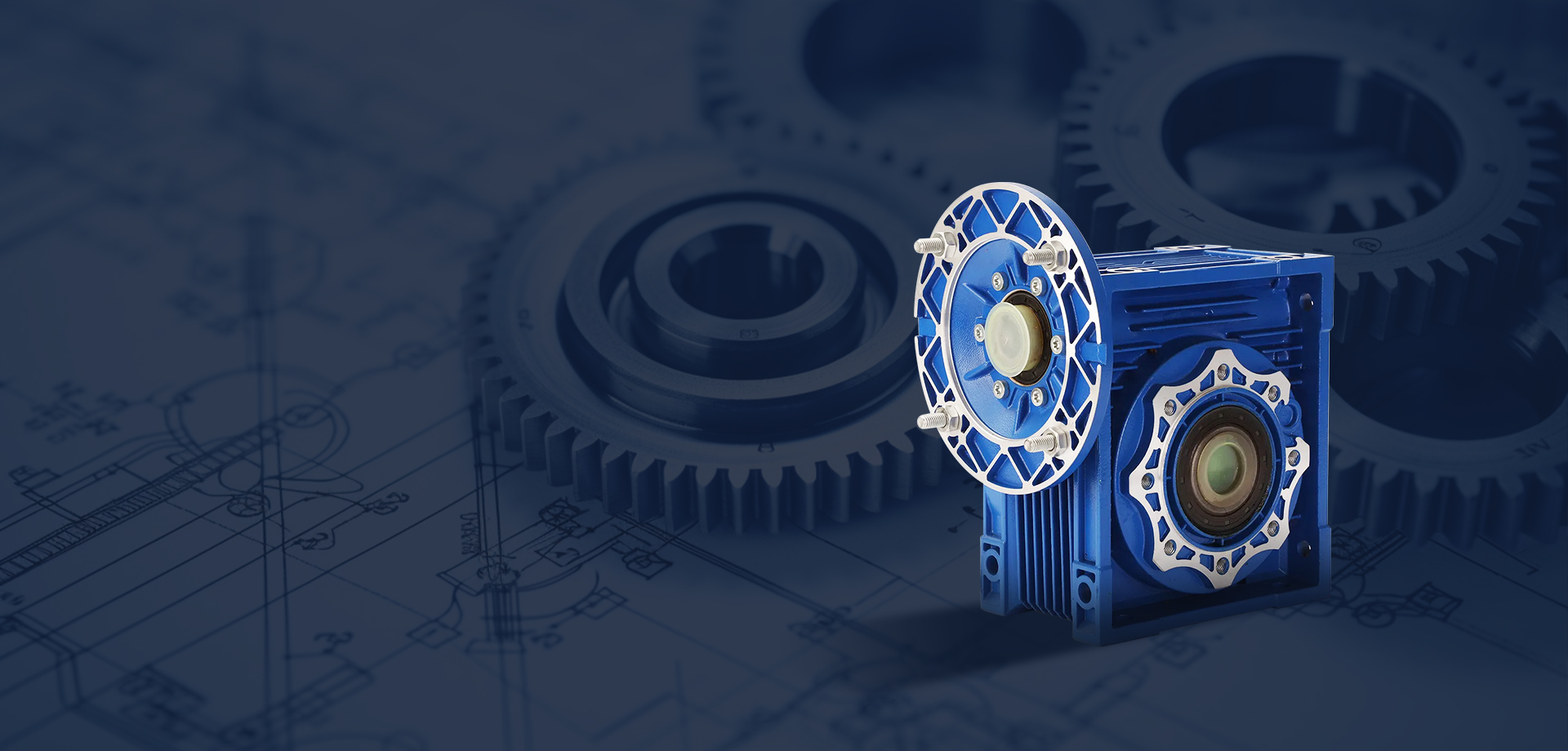
Quality is at the heart of everything we do
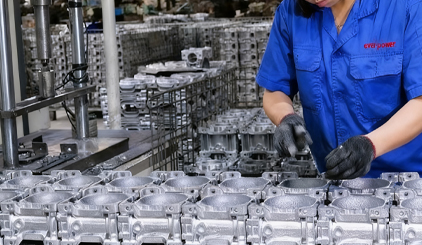

No diversions—just decades of refining helical, planetary, and parallel-shaft gearboxes for industrial applications.
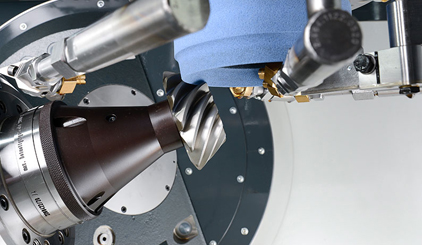

Critical processes like gear grinding, heat treatment, and housing machining are all done under one roof for consistent quality.
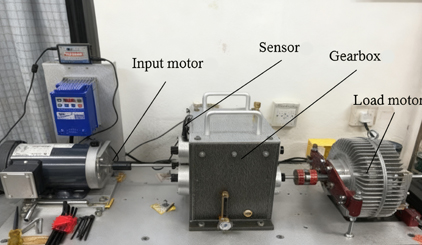

100% factory acceptance testing at rated torque with vibration, temperature, and leakage checks—test reports available on request.
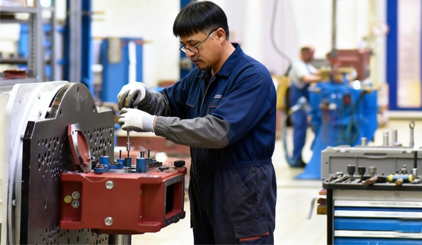

Our engineers provide prompt troubleshooting, installation advice, and maintenance recommendations in English or Chinese—because your uptime matters.
Explore our complete range of high-performance gear reducers designed to tackle every challenge in wastewater treatment and environmental engineering.
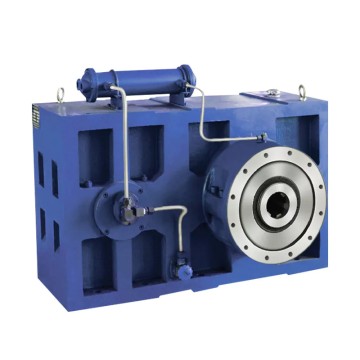 ZLYJ Series Sludge Extrusion Gearbox for Wastewater
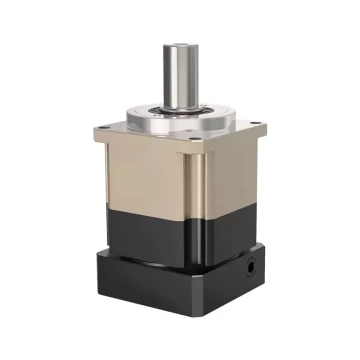 TM042 High Precision Planetary Gearbox for Clarifiers
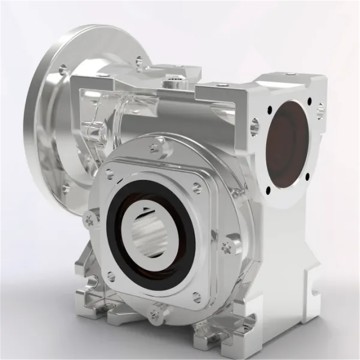 SSRV Stainless Steel Worm Gearbox for Corrosive Environments
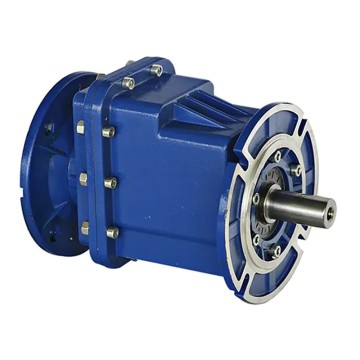 RC Series Helical Gearbox for Aeration Systems
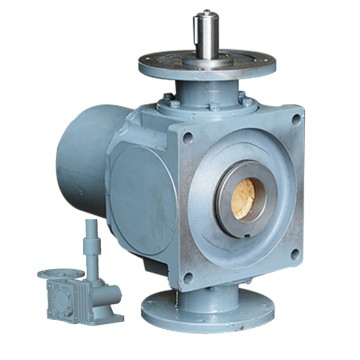 SWL Screw Jack Gearbox for Sluice Gates
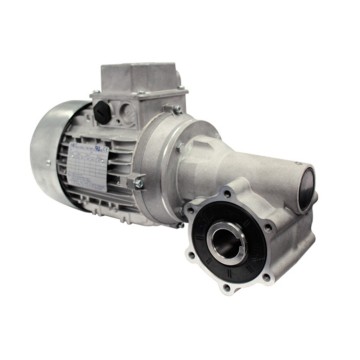 Heavy-Duty Gearbox for Environmental Cleaning
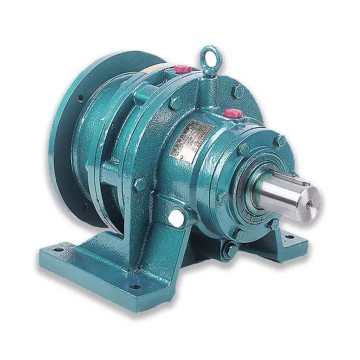 XW/BW Cycloidal Gearbox for Agitation
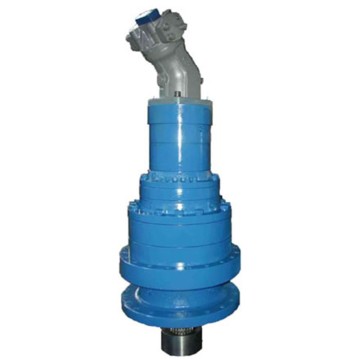 Planetary Drive Gearbox for Environmental Turbines