Leave Your Message
As the global transition toward renewable energy accelerates, the demand for highly efficient, durable, and compact power transmission solutions has reached unprecedented levels. The hollow shaft gearbox stands at the forefront of this mechanical revolution.
The hollow shaft gearbox is a specialized mechanical power transmission device characterized by a central through-hole (the hollow shaft). This unique geometric design is not merely a structural anomaly; it is a critical engineering solution tailored specifically for the complex spatial and functional constraints of modern renewable energy systems, particularly wind turbines and solar tracking mechanisms. In the contemporary industrial landscape, the global market for wind power gearboxes is experiencing a robust Compound Annual Growth Rate (CAGR), driven largely by the exponential increase in offshore wind farm installations and the repowering of aging onshore turbines.
Commercially, the shift towards larger multi-megawatt wind turbines (often exceeding 10MW to 15MW for offshore models) has fundamentally altered the supply chain for drive systems. Traditional solid-shaft gearboxes are becoming obsolete in specific nacelle sub-systems due to their immense weight and inability to accommodate complex wiring. Hollow shaft gearboxes solve this by allowing electrical cables, hydraulic lines, cooling tubes, and control wiring to pass directly through the center of rotation. This integration reduces the overall footprint of the nacelle, drastically lowers the Levelized Cost of Energy (LCOE), and simplifies maintenance protocols. Leading manufacturers are now heavily investing in hollow shaft topologies to secure long-term contracts with top-tier wind turbine OEMs (Original Equipment Manufacturers).
Furthermore, the supply chain for these specialized gearboxes requires advanced metallurgical capabilities. The gears must withstand extreme torque loads, erratic wind gusts, and corrosive offshore environments. Consequently, the commercial landscape is dominated by enterprises that can seamlessly integrate precision forging, advanced heat treatment (such as carburizing and quenching), and micron-level gear grinding under one roof. The ability to produce a flawless hollow shaft gearbox is now a definitive benchmark of a manufacturer's industrial prowess.
Understanding the profound impact of hollow shaft gearboxes requires an in-depth analysis of their specific applications within the green energy sector.
In wind power systems, the pitch and yaw drives are the nervous system of the turbine, responsible for optimizing energy capture and ensuring structural survival during extreme weather. The Pitch Drive Planetary Gearbox (often utilizing a hollow shaft design) is mounted directly in the rotor hub. Its primary function is to adjust the angle of the turbine blades in real-time. The hollow shaft is absolutely critical here: it provides a protected conduit for the slip rings and control cables that communicate between the stationary nacelle and the rotating hub. Without this hollow center, wiring would twist and snap under the continuous rotation of the turbine blades.
Similarly, the Yaw Drive system, which rotates the entire nacelle to face the wind direction, relies on high-torque gearboxes. The hollow shaft design in yaw systems often facilitates the integration of position encoders and braking mechanisms, allowing for a more compact and streamlined assembly. These gearboxes must deliver immense torque density to hold a nacelle weighing hundreds of tons steady against gale-force winds.
Beyond wind power, hollow shaft gearboxes are heavily utilized in solar energy. In Concentrated Solar Power (CSP) plants and advanced Photovoltaic (PV) tracking systems, massive parabolic mirrors or solar panels must track the sun's trajectory with sub-degree accuracy. Hollow shaft worm gearboxes or slewing drives are the preferred choice. The hollow shaft allows structural support beams or torque tubes to pass directly through the gearbox, creating a perfectly balanced rotational axis. This minimizes the energy required to move the solar arrays and significantly reduces the mechanical wear and tear on the tracking system, thereby extending the lifespan of the solar farm.
In the emerging field of marine renewable energy, tidal and wave energy converters operate in the harshest environments on Earth. Hollow shaft gearboxes in these systems are often used to couple the slow-moving turbine rotors directly to the high-speed generators. The hollow shaft allows for the passage of specialized cooling fluids and waterproof sealing mechanisms, ensuring that the internal gearing remains entirely isolated from the corrosive seawater. The reliability of these gearboxes is paramount, as underwater maintenance is prohibitively expensive.
The future of power transmission is not just mechanical; it is digital. The integration of Artificial Intelligence (AI) and the Internet of Things (IoT) is redefining the capabilities of hollow shaft gearboxes.
The most significant trend in the gearbox industry is the transition from reactive to predictive maintenance. Modern hollow shaft gearboxes designed for wind turbines are now being equipped with embedded smart sensors. These sensors, often placed within the hollow shaft or directly on the bearing housings, continuously monitor vibration frequencies, acoustic emissions, oil temperature, and particulate contamination. This raw data is fed into AI algorithms and machine learning models that can predict a gear tooth fracture or bearing failure months before it occurs. By utilizing "Digital Twin" technology—a virtual replica of the physical gearbox—operators can simulate stress loads and optimize the turbine's operational parameters in real-time, drastically reducing unplanned downtime.
Furthermore, manufacturing processes are becoming heavily automated. Industry 4.0 protocols ensure that every hollow shaft gearbox is machined with robotic precision. Advanced materials, such as ultra-clean vacuum-degassed steel, are being utilized to enhance the fatigue strength of the gears. Lightweighting is another crucial trend; by optimizing the topological design of the gearbox housing using AI-assisted generative design software, manufacturers can reduce the weight of the gearbox by up to 15% without compromising structural integrity. This weight reduction is vital for towering wind turbines, where every kilogram saved in the nacelle translates to significant savings in the tower and foundation construction.
We invest in world-class technology to ensure every product that leaves our facility is built to excel.
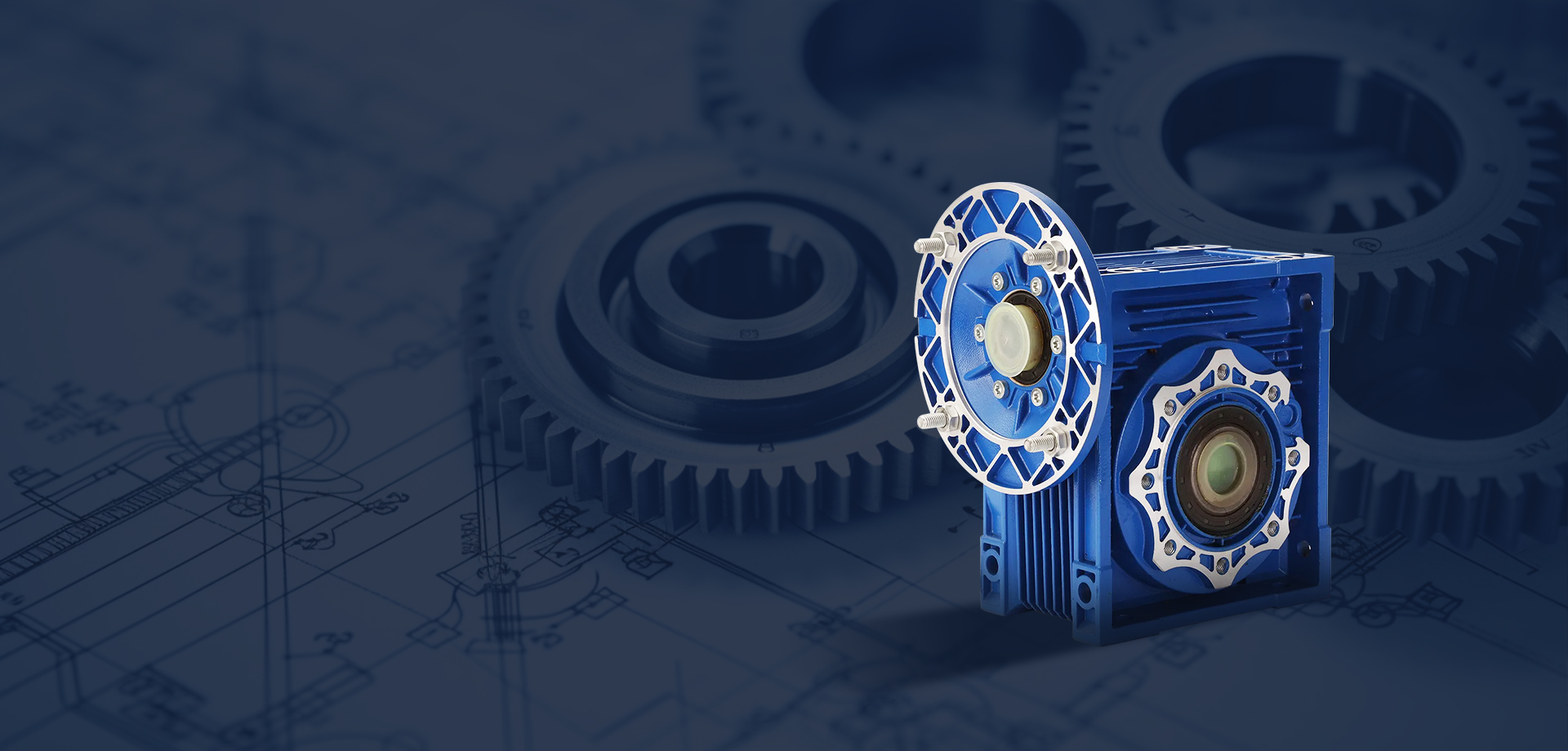
A Legacy of Growth & Innovation

Our journey is one of continuous evolution and strategic expansion, deeply aligned with the global shift towards advanced industrial automation and renewable energy solutions.
Established in 2002, we began with a clear mission: to produce gearboxes of unmatched quality and durability. Our initial focus on standardized models allowed us to build a reputation for reliability and build a solid technical foundation.
Responding to market demands, we significantly expanded our production capabilities and R&D efforts. This period saw the introduction of custom-engineered and application-specific solutions, enabling us to serve more complex industrial needs and establish long-term partnerships.
In the era of Industry 4.0, we have embraced smart manufacturing. By integrating advanced digital design tools and automated processes, we now deliver next-generation products that are smarter, more compact, and more energy-efficient, solidifying our position as an industry innovator.
Quality is at the heart of everything we do. Our expertise in power transmission ensures your renewable energy projects operate at peak efficiency.
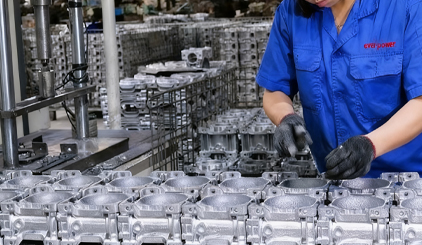
 30+ Years Dedicated to Gearbox Manufacturing Only
No diversions—just decades of refining helical, planetary, and parallel-shaft gearboxes for critical industrial and renewable energy applications.
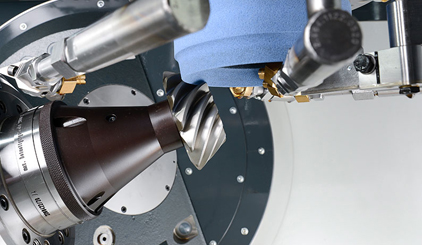
 Full In-House Production
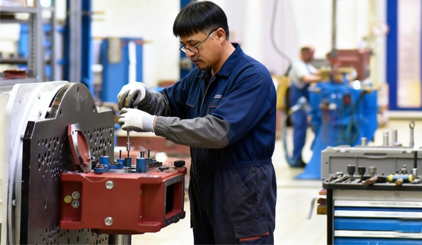
From Gear Forging to Final Assembly. Critical processes like gear grinding, heat treatment, and housing machining are all done under one roof for consistent quality.
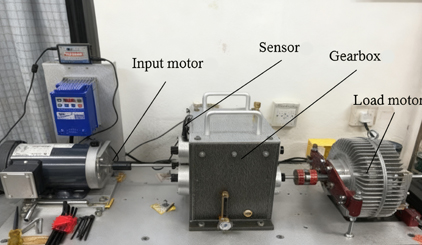
 Every Unit Load-Tested Before Shipment
100% factory acceptance testing at rated torque with vibration, temperature, and leakage checks—test reports available on request to ensure wind turbine safety.
 Responsive After-Sales Support
Our engineers provide prompt troubleshooting, installation advice, and maintenance recommendations in English or Chinese—because your uptime matters.
Explore our full range of high-performance transmission solutions engineered for diverse industrial applications.