Leave Your Message
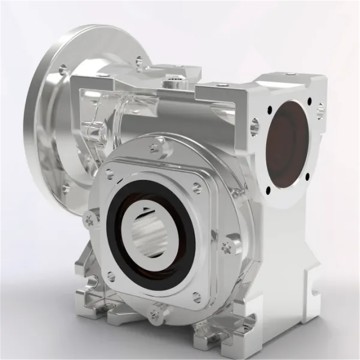
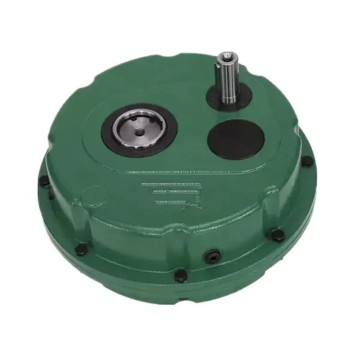
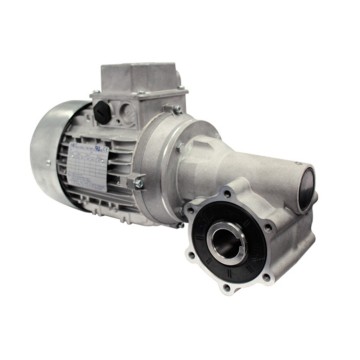
In the rapidly evolving landscape of Industrial Automation and Machinery, the demand for highly efficient, space-saving, and robust power transmission components has never been higher. A Hollow Shaft Gearbox represents a pinnacle of mechanical engineering design, distinguished by its central bore. Unlike traditional solid-shaft reducers, the hollow shaft design allows for direct mounting onto the driven machine shaft. This eliminates the need for bulky couplings, chain drives, or belt configurations, drastically reducing the overall footprint of the machinery while minimizing mechanical play and potential points of failure.
This direct-drive capability is not merely a spatial advantage; it is a critical requirement for precision automation. By ensuring a more rigid connection between the motor and the driven load, hollow shaft gearboxes provide superior torque transmission, minimal backlash, and enhanced dynamic response—key attributes required for robotic arms, conveyor networks, and CNC machinery.
The global market for industrial gearboxes is undergoing a massive transformation, driven largely by the transition toward Industry 4.0. Currently, the commercial landscape for Hollow Shaft Gearboxes is characterized by a surge in demand from sectors that prioritize compact automation. According to recent industrial analyses, the integration of automated guided vehicles (AGVs), automated storage and retrieval systems (ASRS), and smart packaging lines has propelled the adoption of shaft-mounted and hollow shaft reducers to unprecedented levels.
Industrially, manufacturers are moving away from oversized, legacy transmission systems. The current status reveals a strong preference for gearboxes that offer high torque density. Engineers are tasked with designing machines that do more within a smaller footprint. Consequently, hollow shaft gear reducers—particularly those utilizing planetary, helical, or advanced worm gear configurations—have become the standard specification in modern machine building. Furthermore, the push for energy efficiency in manufacturing plants has led to the widespread replacement of older, inefficient drives with highly calibrated hollow shaft units that minimize friction losses and maximize power delivery.
As we look toward the future of manufacturing, the evolution of the Hollow Shaft Gearbox is intrinsically linked to advancements in smart technology, material science, and specialized industrial applications.
The most significant development trend is the shift towards "Smart Gearboxes." Modern hollow shaft gearboxes are increasingly being equipped with embedded IoT sensors. These sensors monitor vibration, temperature, oil quality, and acoustic emissions in real-time. By analyzing this data through AI algorithms, plant managers can predict mechanical wear before a catastrophic failure occurs, drastically reducing unplanned downtime in continuous automation lines.
To meet the demands of high-speed industrial automation, manufacturers are utilizing advanced metallurgy and surface treatment technologies. The use of high-grade alloy steels, combined with precision gear grinding and carbonitriding processes, allows hollow shaft gearboxes to handle immense torque loads while shrinking in physical size. This miniaturization is crucial for compact robotic joints and tight-space machinery.
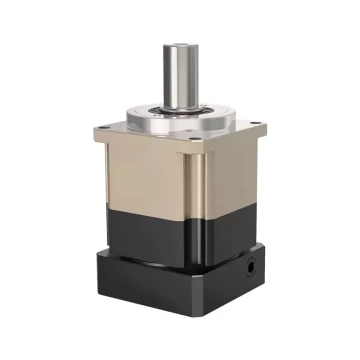
In the realm of robotics, space and weight are premium commodities. Hollow shaft planetary gearboxes are extensively used in robotic joints and AGV drive wheels. The hollow bore allows for the routing of power cables, data wires, or even pneumatic lines directly through the center of the gearbox. This internal routing prevents cable tangling during 360-degree rotations, ensuring seamless and safe operation in fully automated logistics centers.
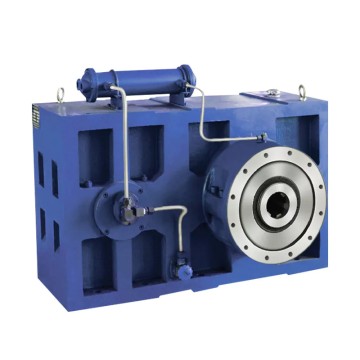
Beyond light automation, heavy-duty hollow shaft gearboxes are vital in harsh environments. In plastic extrusion machinery (such as the ZLYJ series), the hollow shaft design seamlessly integrates with the extruder screw, handling extreme axial thrust loads while delivering consistent rotational torque. This ensures uniform material processing, which is critical for high-quality plastic and polymer production.
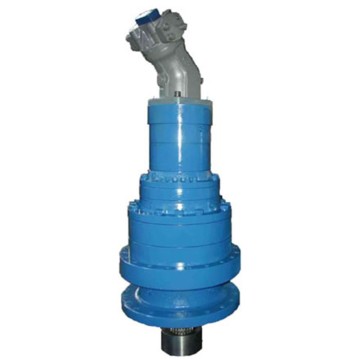
The application of hollow shaft technology extends far beyond the factory floor. In the renewable energy sector, specifically within wind turbines, specialized planetary gearboxes with hollow shafts are utilized in pitch drive systems. These mechanisms adjust the angle of the turbine blades to optimize wind capture and protect the structure during storms. The hollow center is often used to pass control cables from the stationary hub to the rotating blades, showcasing the design's versatility.
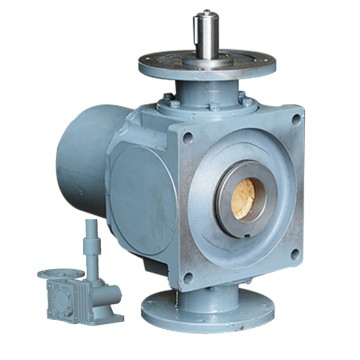
Similarly, in modern construction, equipment like the SWL Screw Jack Gearbox for jump form construction lifting relies heavily on hollow shaft configurations. These gearboxes provide the immense, synchronized lifting power required to elevate massive concrete formworks safely and efficiently, proving that whether in micro-precision automation or macro-scale construction, the hollow shaft gearbox is an indispensable engineering marvel.
Our journey is one of continuous evolution and strategic expansion in the gearbox manufacturing industry.
Established in 2002, we began with a clear mission: to produce gearboxes of unmatched quality and durability. Our initial focus on standardized models allowed us to build a reputation for reliability and build a solid technical foundation.
Responding to market demands, we significantly expanded our production capabilities and R&D efforts. This period saw the introduction of custom-engineered and application-specific solutions, enabling us to serve more complex industrial needs and establish long-term partnerships.
In the era of Industry 4.0, we have embraced smart manufacturing. By integrating advanced digital design tools and automated processes, we now deliver next-generation products that are smarter, more compact, and more energy-efficient, solidifying our position as an industry innovator.
We invest in world-class technology to ensure every product that leaves our facility is built to excel.
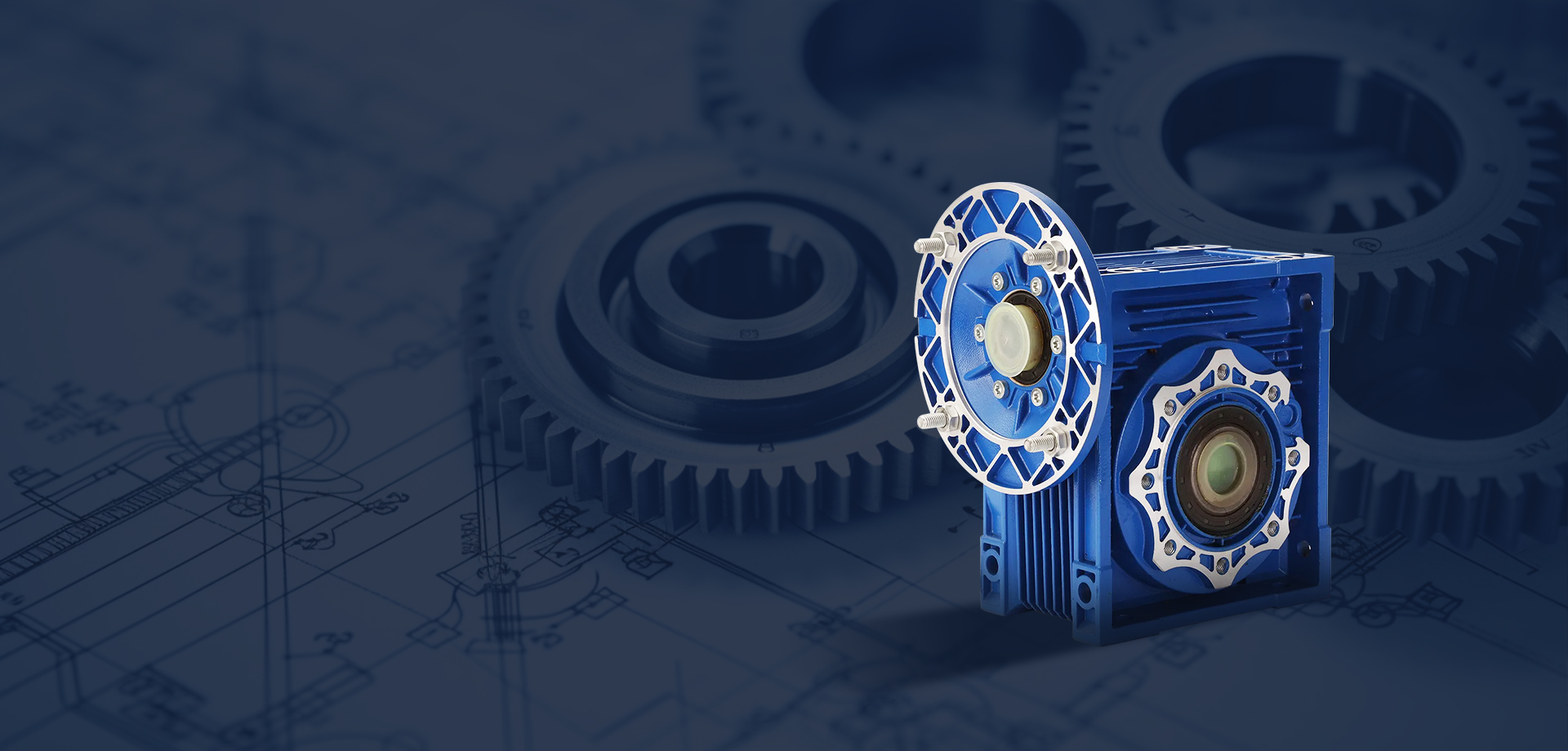
Quality is at the heart of everything we do.
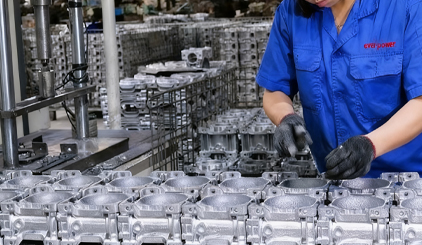

No diversions—just decades of refining helical, planetary, and parallel-shaft gearboxes for industrial applications.
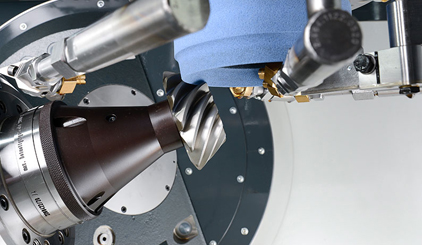

Critical processes like gear grinding, heat treatment, and housing machining are all done under one roof for consistent quality.
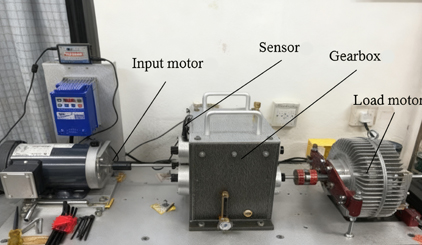

100% factory acceptance testing at rated torque with vibration, temperature, and leakage checks—test reports available on request.
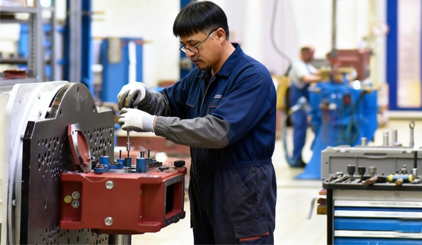

Our engineers provide prompt troubleshooting, installation advice, and maintenance recommendations in English or Chinese—because your uptime matters.