Leave Your Message
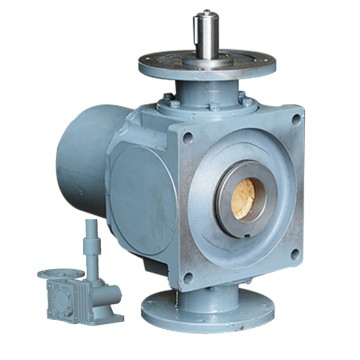
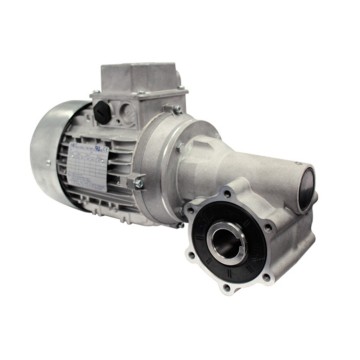
Discover our top-tier high torque gearboxes engineered specifically for the rigorous demands of modern wastewater treatment and environmental protection facilities.
The global landscape for municipal and industrial wastewater treatment is undergoing a massive, technology-driven transformation. As populations expand and industrial manufacturing scales up, the volume of effluent generated has reached unprecedented levels. This surge places immense stress on existing environmental infrastructure, necessitating equipment that can operate flawlessly under continuous, 24/7 heavy-duty cycles. In this demanding context, the High Torque Worm Gearbox has emerged as a cornerstone of reliable mechanical power transmission. Unlike standard commercial drives, gearboxes deployed in environmental systems must withstand extreme humidity, corrosive chemical exposures, and highly variable shock loads.
From a commercial perspective, the market for water and wastewater treatment equipment is expanding at a remarkable Compound Annual Growth Rate (CAGR). Governments worldwide are enforcing stringent environmental regulations, such as the Clean Water Act in the United States and the Water Framework Directive in the European Union. These legislative frameworks mandate higher effluent quality, forcing municipalities and private enterprises to upgrade their mechanical systems. Consequently, plant operators are shifting their procurement strategies. Instead of prioritizing the lowest initial capital expenditure (CapEx), there is a profound industry-wide pivot towards Total Cost of Ownership (TCO). High torque worm gearboxes, known for their self-locking capabilities, mechanical simplicity, and exceptional durability, offer a superior ROI by drastically reducing unplanned downtime and maintenance costs.
Industrially, the integration of heavy-duty worm gearboxes has become standard practice for OEMs (Original Equipment Manufacturers) producing clarifiers, thickeners, and aeration systems. The inherent design of the worm gear—where the worm can easily drive the gear, but the gear cannot drive the worm—provides a crucial safety mechanism in environmental applications. This self-locking feature prevents back-driving during power failures, which is absolutely critical when handling millions of gallons of contaminated water or thousands of tons of heavy sludge. Furthermore, modern manufacturing techniques have significantly improved the efficiency of these gearboxes, bridging the gap between traditional reliability and contemporary energy conservation requirements.
High torque worm gearboxes are not generic components; they are highly specialized mechanical hearts driving the most critical processes within environmental facilities. Below is a comprehensive analysis of their primary application scenarios.
Clarifiers are massive circular or rectangular basins where suspended solids are allowed to settle out of the wastewater. The scraper mechanisms at the bottom of these tanks rotate at incredibly slow speeds (often less than 1 RPM) but require massive torque to push heavy, dense sludge towards the central collection hopper. A high torque worm gearbox is the ideal solution here. It provides the necessary high reduction ratio in a compact footprint. Moreover, the robust housing protects the internal gearing from the highly corrosive hydrogen sulfide gases commonly present just above the waterline in clarifier tanks. The high shock load capacity of the worm gear ensures that if the scraper encounters a sudden obstruction, the drive system will not suffer catastrophic failure.
Sludge handling is arguably the most mechanically demanding aspect of wastewater treatment. Sludge thickeners operate similarly to clarifiers but handle a much higher concentration of solids, resulting in a highly viscous, non-Newtonian fluid environment. The gearboxes driving the thickener rakes must deliver continuous, unyielding torque. High torque worm gearboxes excel in this scenario due to their high sliding contact ratio, which inherently dampens vibrations and absorbs the heavy shock loads generated by varying sludge densities. In dewatering applications, such as screw presses and belt filter presses, these gearboxes provide the precise, steady rotational force required to squeeze water out of the biosolid matrix efficiently.
Biological treatment processes rely on the introduction of oxygen into the wastewater to sustain the microorganisms that consume organic waste. Surface aerators and oxidation ditch rotors violently agitate the water to maximize oxygen transfer. This creates a highly dynamic operating environment characterized by constant splashing, variable hydrodynamic resistance, and significant radial and axial loads on the drive shaft. High torque worm gearboxes designed for these systems feature reinforced bearings, specialized lip seals, and advanced marine-grade protective coatings to prevent water ingress and withstand the brutal, continuous mechanical stress of aeration.
Lifting raw influent or conveying dewatered sludge often involves the use of large Archimedes screw pumps or shaftless spiral conveyors. These systems require drives that can start under full load—a massive mechanical challenge. The high starting torque capabilities of heavy-duty worm gearboxes make them perfectly suited for this task. The self-locking nature of the worm gear is particularly beneficial for inclined screw conveyors, as it prevents the heavy payload of sludge or grit from sliding backward down the chute if the motor is deactivated.
The future of high torque worm gearboxes in environmental systems is being shaped by the intersection of mechanical engineering, materials science, and digital technology. As wastewater treatment plants evolve into "smart" resource recovery facilities, their mechanical components must adapt accordingly.
The most significant trend is the transition from reactive to predictive maintenance. Modern high torque worm gearboxes are increasingly being equipped with embedded sensors that monitor vibration frequencies, acoustic emissions, oil temperature, and particulate contamination in real-time. This Industrial Internet of Things (IIoT) integration allows plant operators to utilize AI-driven analytics to predict bearing wear or gear fatigue months before a failure occurs. In critical environmental systems where a gearbox failure can lead to severe ecological contamination and massive regulatory fines, this smart monitoring capability is becoming an indispensable requirement.
To combat the extreme corrosive environments of wastewater facilities, manufacturers are pioneering new material technologies. We are seeing a shift towards high-tin bronze alloys for the worm wheel, which significantly reduces friction and wear. Furthermore, the external housings are being treated with advanced epoxy-polyester powder coatings, or in extreme cases, manufactured entirely from duplex stainless steel. Advancements in tribology—the science of interacting surfaces in relative motion—have led to the development of specialized synthetic lubricants. These eco-friendly, biodegradable oils not only reduce the operating temperature of the gearbox, thereby increasing its efficiency and lifespan, but also ensure that any accidental leaks do not harm the surrounding water ecosystem.
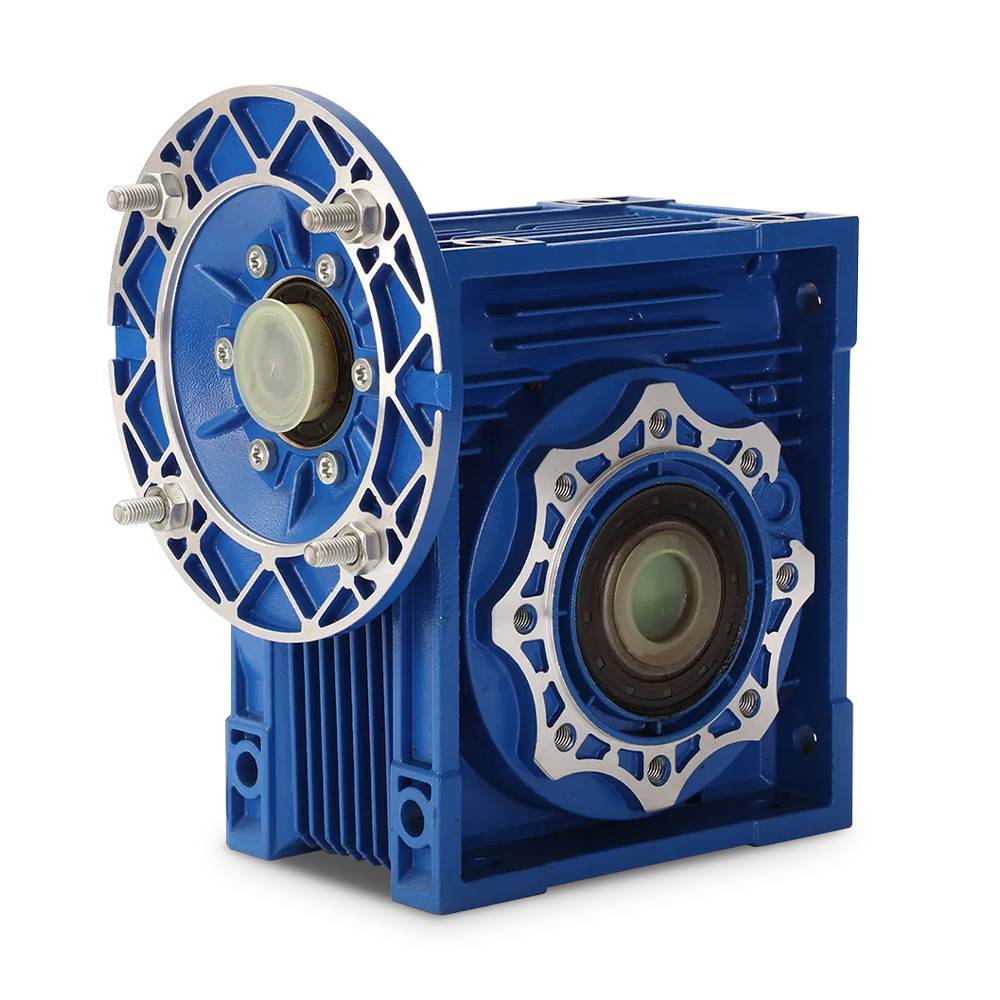
Historically, worm gearboxes were critiqued for their lower mechanical efficiency compared to helical or planetary designs. However, next-generation high torque worm gearboxes are rewriting this narrative. Through optimized gear tooth geometry, precision CNC grinding, and the integration of helical-worm combinations, modern units are achieving efficiency ratings that rival other gearbox types while maintaining their unique high-torque and self-locking advantages. Additionally, modular design architectures are becoming the industry standard. This allows plant managers to easily swap out standardized motor flanges, output shafts, and mounting bases, significantly reducing spare parts inventory and simplifying field replacements.
HANGZHOU EVER-POWER TRANSMISSION CO., LTD. (HZPT) is a leading manufacturer and global supplier of high-performance gearboxes, specializing in the design, development, and production of industrial and agricultural transmission systems. With over 15 years of experience in the power transmission industry, HZPT has grown into a modern enterprise integrating R&D, manufacturing, sales, and service, serving customers in more than 60 countries across Asia, Europe, North America, and Africa.
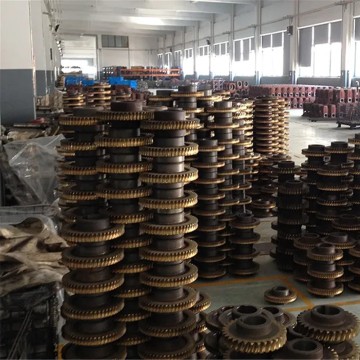
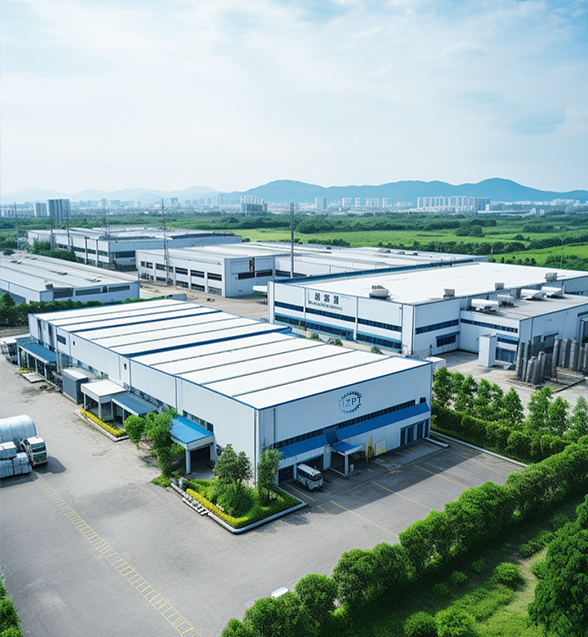
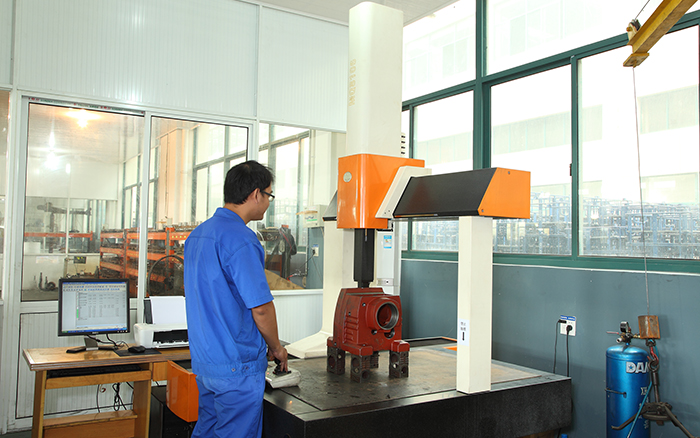
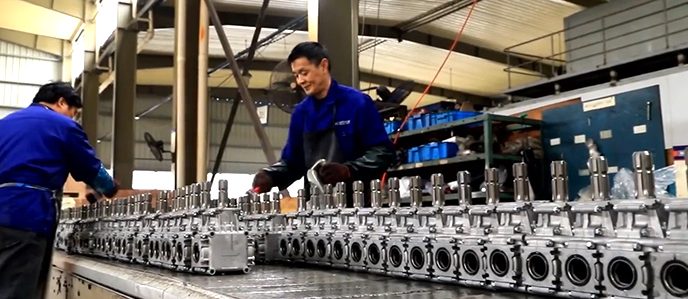
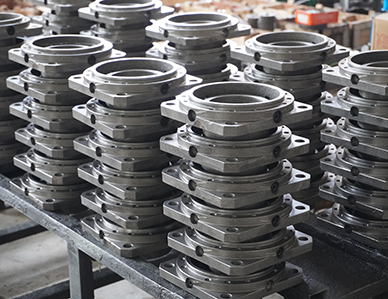
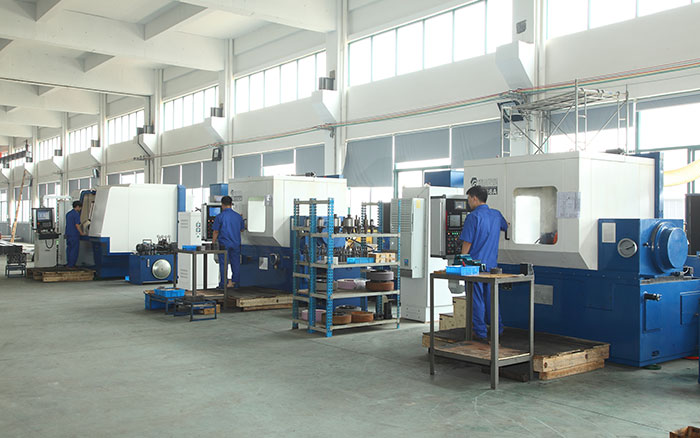
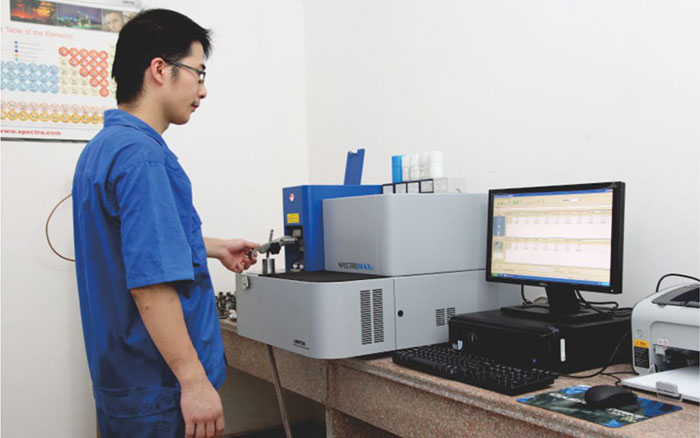
Our manufacturing base spans over 80,000 square meters, equipped with advanced CNC machining centers, precision gear grinding machines, automated assembly lines, and state-of-the-art testing facilities. We operate a fully integrated production system that ensures consistent quality from raw material sourcing to final product delivery.
DISCOVER OUR SUSTAINABILITY PROJECTSR&D Department: Our engineering team, led by veterans with over 15+ years of industry experience, is the core of our innovation. We maintain active "Industry-University-Research" collaborations with leading institutions to pioneer advancements in gear geometry, materials science, and tribology.
Skilled Workforce: Our production floor is staffed by highly trained and experienced technicians, with over 30% holding advanced technical certifications. Their craftsmanship and attention to detail are embedded in every product we build.
Management: Our leadership team brings international expertise and modern management practices, steering the company with a clear vision for sustainable growth and technological leadership.
Our commitment to quality and innovation is validated by third-party accreditations and intellectual property. We hold 30+ national patents, including 5 invention patents. These cover key areas like "Modular Housing Design," "High-Efficiency Helical-Herringbone Gear Profiles," "Integrated Cooling Systems," and "Proprietary Surface Treatment Processes."



Explore our full range of robust transmission products designed to optimize efficiency and reliability across all stages of wastewater treatment and environmental management.