Leave Your Message
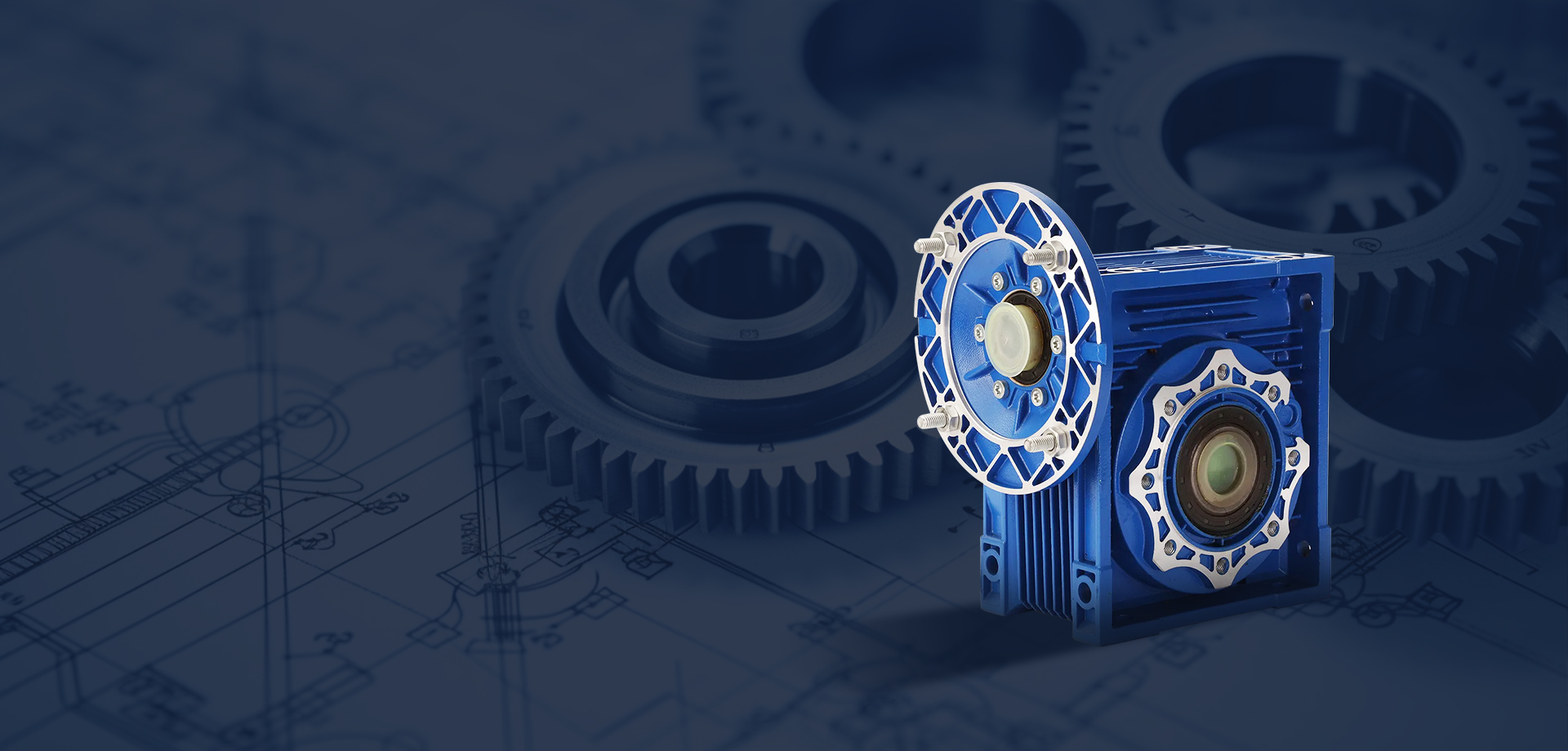
Discover our elite selection of gear reducers engineered specifically to handle the immense torque and shock loads required in heavy equipment operations.
In the demanding realms of mining and heavy equipment manufacturing, the High Torque Worm Gearbox stands as an irreplaceable component. These environments are characterized by extreme operational parameters: relentless continuous running times, massive starting inertias, severe shock loads, and exposure to highly abrasive dust, moisture, and fluctuating temperatures. A standard commercial gearbox simply cannot survive these conditions. High torque worm gearboxes are specifically engineered to bridge the gap between high-speed electric or hydraulic motors and the slow, deliberate, and immensely powerful movements required by heavy machinery.
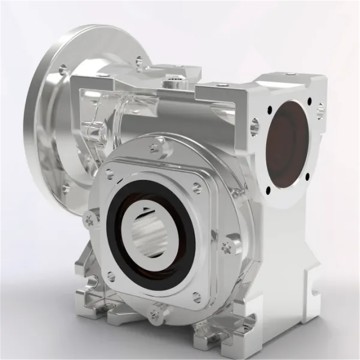
The fundamental mechanical advantage of a worm gearbox lies in its unique perpendicular gear arrangement. By utilizing a worm (a screw-like gear) meshing with a worm wheel, these gearboxes achieve exceptionally high reduction ratios in a highly compact footprint. For mining applications, this translates to massive torque multiplication. Furthermore, the inherent sliding action of the worm gear provides superior shock absorption capabilities compared to pure rolling gears, allowing the system to handle sudden spikes in load—such as a rock crusher encountering a particularly hard ore—without catastrophic failure.
Another critical feature highly valued in heavy equipment applications is the self-locking (or non-backdriving) characteristic of high-ratio worm gears. In hoisting, winching, and inclined conveyor applications, safety is paramount. The physics of the worm gear naturally prevent the load from driving the motor backwards in the event of a power failure, acting as a secondary mechanical brake and ensuring the safety of both personnel and expensive mining infrastructure.
Overland conveyors in surface mining operations can stretch for miles, requiring immense starting torque to move thousands of tons of static ore. High torque worm gearboxes provide the smooth, high-torque acceleration needed to overcome this initial friction without tearing the conveyor belts. Their robust cast-iron or steel housings protect the internal gearing from highly abrasive coal or silica dust, while specialized sealing systems prevent the ingress of moisture during heavy rains.
In underground mining, shaft hoists are the lifeline of the operation, transporting personnel and extracting ore. The self-locking nature of the worm gearbox provides an essential safety mechanism here. Similarly, in heavy construction cranes and winches, these gearboxes ensure precise load positioning. The high torque output allows for the lifting of multi-ton loads at controlled speeds, ensuring absolute stability during critical heavy-lifting phases.
Mineral processing requires breaking down massive rocks into fine powders. Ball mills, SAG mills, and jaw crushers induce violent vibrations and extreme shock loads back into the drive train. High-performance worm gearboxes, often combined with helical stages for optimized efficiency, absorb these vibrations. Their heavy-duty bearings and hardened gear teeth are designed to withstand the continuous, pulsating forces generated during the ore comminution process.
Bucket-wheel excavators, tunnel boring machines (TBMs), and massive draglines rely on complex arrays of gear reducers. For slew drives (the mechanism that rotates the upper body of an excavator), worm gearboxes provide the perfect combination of slow rotational speed, high holding torque, and precise control. This ensures that when an operator swings a fully loaded bucket weighing dozens of tons, the movement is smooth, and the machine holds its position firmly once stopped.
The global market for industrial gearboxes in the mining and heavy equipment sector is experiencing significant transformation. Driven by the depletion of easily accessible mineral reserves, mining companies are digging deeper and operating in more remote, hostile environments. This shift has drastically increased the demand for ultra-reliable, high torque power transmission solutions. Downtime in a modern mining operation can cost tens of thousands of dollars per hour; therefore, the Total Cost of Ownership (TCO) has superseded initial purchase price as the primary metric for procurement. Buyers are actively seeking gearboxes with extended service intervals, superior thermal capacities, and advanced metallurgical compositions that resist wear under heavy continuous loads.
Furthermore, stringent Environmental, Social, and Governance (ESG) regulations are forcing heavy industries to optimize energy consumption. While traditional worm gearboxes are known for their torque, modern engineering is focused on improving their mechanical efficiency. This is being achieved through the use of synthetic lubricants, optimized gear tooth geometry (such as double-enveloping worm gears), and precision grinding techniques that reduce friction and heat generation, thereby lowering the carbon footprint of heavy machinery.
The integration of Industry 4.0 and Artificial Intelligence (AI) is revolutionizing the gearbox industry. The days of purely mechanical, "dumb" iron boxes are fading. Today's high torque worm gearboxes are increasingly becoming "smart nodes" within the Industrial Internet of Things (IIoT) ecosystem.
Predictive Maintenance via AI Analytics: Modern gearboxes are frequently equipped with embedded sensors that monitor vibration signatures, acoustic emissions, oil temperature, and particulate contamination in real-time. AI algorithms analyze this continuous stream of data in the cloud, utilizing machine learning models to predict bearing failures or gear wear weeks before they cause a catastrophic breakdown. This allows mining operators to schedule maintenance during planned downtime, drastically improving overall equipment effectiveness (OEE).
Digital Twins and Smart Design: During the manufacturing phase, AI-driven generative design and digital twin technology are being used to simulate stress distribution under complex load scenarios. This results in gearbox housings that are lighter yet structurally superior, using exact material placement to handle specific mining stresses. Automated manufacturing processes, guided by AI vision systems, ensure micron-level precision during gear cutting and assembly, guaranteeing that every unit meets the exacting standards required for heavy equipment applications.
A Legacy of Growth & Innovation
We invest in world-class technology to ensure every product that leaves our facility is built to excel.
Quality is at the heart of everything we do

No diversions—just decades of refining helical, planetary, and parallel-shaft gearboxes for industrial applications.
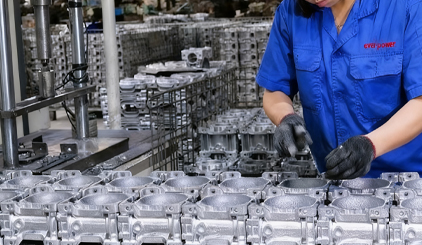

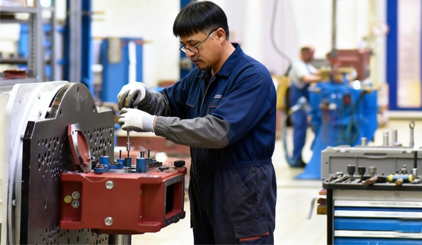
Critical processes like gear grinding, heat treatment, and housing machining are all done under one roof for consistent quality.
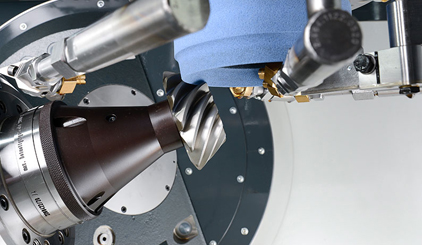

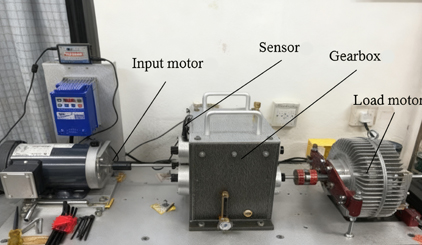
100% factory acceptance testing at rated torque with vibration, temperature, and leakage checks—test reports available.

Our engineers provide prompt troubleshooting, installation advice, and maintenance recommendations in English or Chinese.
Explore our complete range of specialized industrial gear reducers, designed to provide relentless power and precision across various heavy equipment applications.