Leave Your Message
High-performance engineering designed to optimize torque conversion in wind turbines and solar tracker applications.
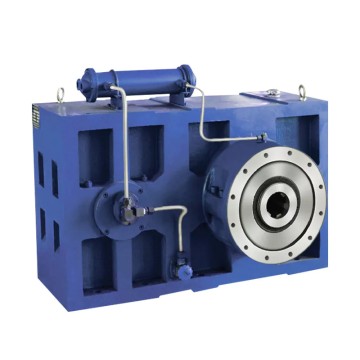
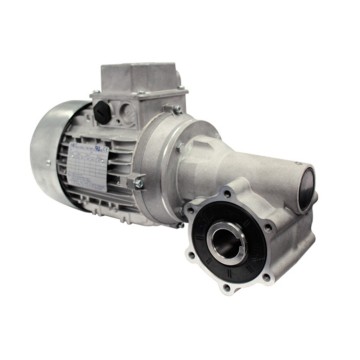
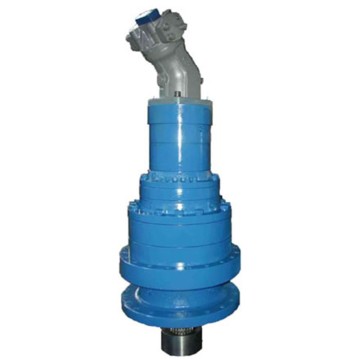
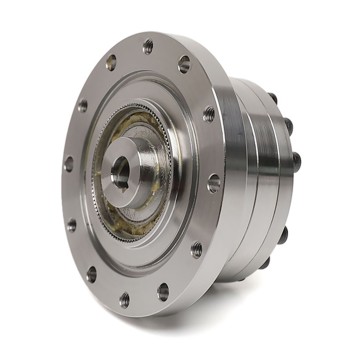
The global transition toward sustainable energy has accelerated the demand for highly efficient, reliable, and durable mechanical power transmission solutions. At the heart of this transition lies the high precision planetary gearbox, a critical component that enables the efficient conversion and control of kinetic energy in wind turbines, solar trackers, and other renewable energy systems. As wind turbines grow larger and solar arrays expand across vast, harsh terrains, the engineering demands on planetary gearboxes have reached unprecedented levels. These systems must deliver maximum torque density, exceptional rotational accuracy, and unmatched reliability under extreme environmental conditions.
Planetary gearboxes are uniquely suited for renewable energy applications due to their co-axial shaft arrangement, load-sharing capabilities among multiple planet gears, and compact envelope. By distributing the mechanical load across several gear contacts, planetary systems can handle massive torque loads that would easily overwhelm conventional parallel-shaft gearboxes of similar sizes. In wind power systems, this translates directly to reduced nacelle weight and lower structural loads on the tower, while in solar tracking, it ensures precise, micro-step positioning of massive photovoltaic panels.
"Modern renewable energy systems demand a 25-year design life with minimal maintenance. Achieving this requires not just standard manufacturing, but precision engineering that minimizes backlash, optimizes teeth load distribution, and withstands continuous dynamic loads."
The renewable energy sector is undergoing a massive scale-up. In wind energy, the market is rapidly moving toward larger, multi-megawatt turbines. Offshore wind installations now regularly exceed 10 MW, with designs pushing toward 15 MW and even 20 MW. This scale-up places extreme demands on the turbine's internal components. The pitch and yaw systems, which rely entirely on high-precision planetary gearboxes, must withstand massive aerodynamic forces and deliver high torque to rotate blades that are over 100 meters long. Industry players are focusing heavily on reducing the Levelized Cost of Energy (LCOE), making component reliability and maintenance-free operation paramount.
Simultaneously, the utility-scale solar market is witnessing a shift toward active tracking systems. Tracking systems can increase energy yield by up to 25% to 30% compared to fixed-tilt installations. However, these systems are deployed in some of the world's most challenging environments, including arid deserts and high-wind plains. The planetary gearboxes driving these trackers must operate flawlessly for decades with minimal maintenance, resisting sand ingress, extreme temperature fluctuations, and sudden wind gusts.
How high precision planetary gearboxes drive critical functions in clean energy generation.
The pitch drive is responsible for rotating the wind turbine blades along their longitudinal axis. This adjustment is critical for controlling the aerodynamic lift and drag, allowing the turbine to capture maximum wind energy at low wind speeds and protect itself by feathering the blades during storm-force winds. The pitch drive planetary gearbox must handle high dynamic loads, frequent start-stop cycles, and reverse bending moments. Because the pitch system operates under a closed-loop control system, the gearbox must feature extremely low backlash to ensure precise positioning.
The yaw system keeps the wind turbine rotor aligned with the wind direction as it changes. Multiple yaw drives, consisting of electric motors coupled with high-reduction planetary gearboxes, engage with a massive ring gear on the tower. These gearboxes must deliver immense torque to rotate the heavy nacelle, which houses the generator, main gearbox, and rotor assembly. When the turbine is operating, the yaw drives must also act as brakes, holding the nacelle steady against turbulent wind forces.
In concentrated solar power (CSP) and utility-scale photovoltaic (PV) systems, planetary gearboxes are used to drive the tracking mechanism. Heliostats require sub-milliradian pointing accuracy to focus sunlight onto a central receiver. This necessitates planetary gearboxes with high torsional stiffness and zero or near-zero backlash. Additionally, these gearboxes must feature self-locking mechanisms or high holding torque to prevent the wind from altering the panel angle, protecting the structural integrity of the solar array during storms.
Tidal turbines operate in high-density water currents, generating high torque at very low rotational speeds. Planetary gearboxes in these applications serve as speed multipliers, stepping up the slow rotation of the tidal blades to the high speeds required by the generator. They must be completely sealed against pressurized seawater, utilizing multi-barrier lip seals and mechanical face seals, and must be constructed from marine-grade alloys or coated with specialized anti-corrosion layers.
The future of planetary gearboxes in renewable energy is driven by technological convergence. One of the most significant trends is the integration of the Internet of Things (IoT) and smart sensor technology. Modern planetary gearboxes are increasingly equipped with embedded vibration sensors, oil quality monitors, and temperature probes. By analyzing this data in real-time using AI algorithms, operators can detect micro-wear, gear tooth pitting, or bearing degradation long before a failure occurs. This predictive maintenance approach shifts operations from reactive troubleshooting to scheduled servicing, drastically reducing downtime and maintenance costs, especially for offshore wind farms where dispatching technicians is extremely expensive.
Another key trend is the advancement of metallurgy and surface engineering. The use of high-cleanliness steel, combined with advanced vacuum carburizing and nitriding processes, has allowed manufacturers to produce gears with harder surfaces and tougher cores. This increases the load-carrying capacity of the gears without increasing their physical size, leading to higher torque density. Furthermore, surface texturing and advanced coatings, such as Diamond-Like Carbon (DLC), are being applied to gear teeth and bearings to reduce friction, minimize wear under boundary lubrication conditions, and extend the overall lifespan of the gearbox.
Lastly, there is a growing focus on eco-friendly lubrication. Biodegradable synthetic oils are being developed that offer excellent shear stability and thermal performance while minimizing environmental impact in the event of a leak, which is particularly crucial for offshore wind and marine energy installations.

A Legacy of Growth & Innovation in Precision Transmission Systems
Our journey is one of continuous evolution and strategic expansion. By aligning our development with the global demand for high-precision mechanical components, we have grown from a local manufacturer into a leading supplier of planetary gearboxes for wind power and renewable energy applications.
Established in 2002, we began with a clear mission: to produce gearboxes of unmatched quality and durability. Our initial focus on standardized models allowed us to build a reputation for reliability and build a solid technical foundation.
Responding to market demands, we significantly expanded our production capabilities and R&D efforts. This period saw the introduction of custom-engineered and application-specific solutions, enabling us to serve more complex industrial needs and establish long-term partnerships.
In the era of Industry 4.0, we have embraced smart manufacturing. By integrating advanced digital design tools and automated processes, we now deliver next-generation products that are smarter, more compact, and more energy-efficient, solidifying our position as an industry innovator.
We invest in world-class technology to ensure every product that leaves our facility is built to excel.
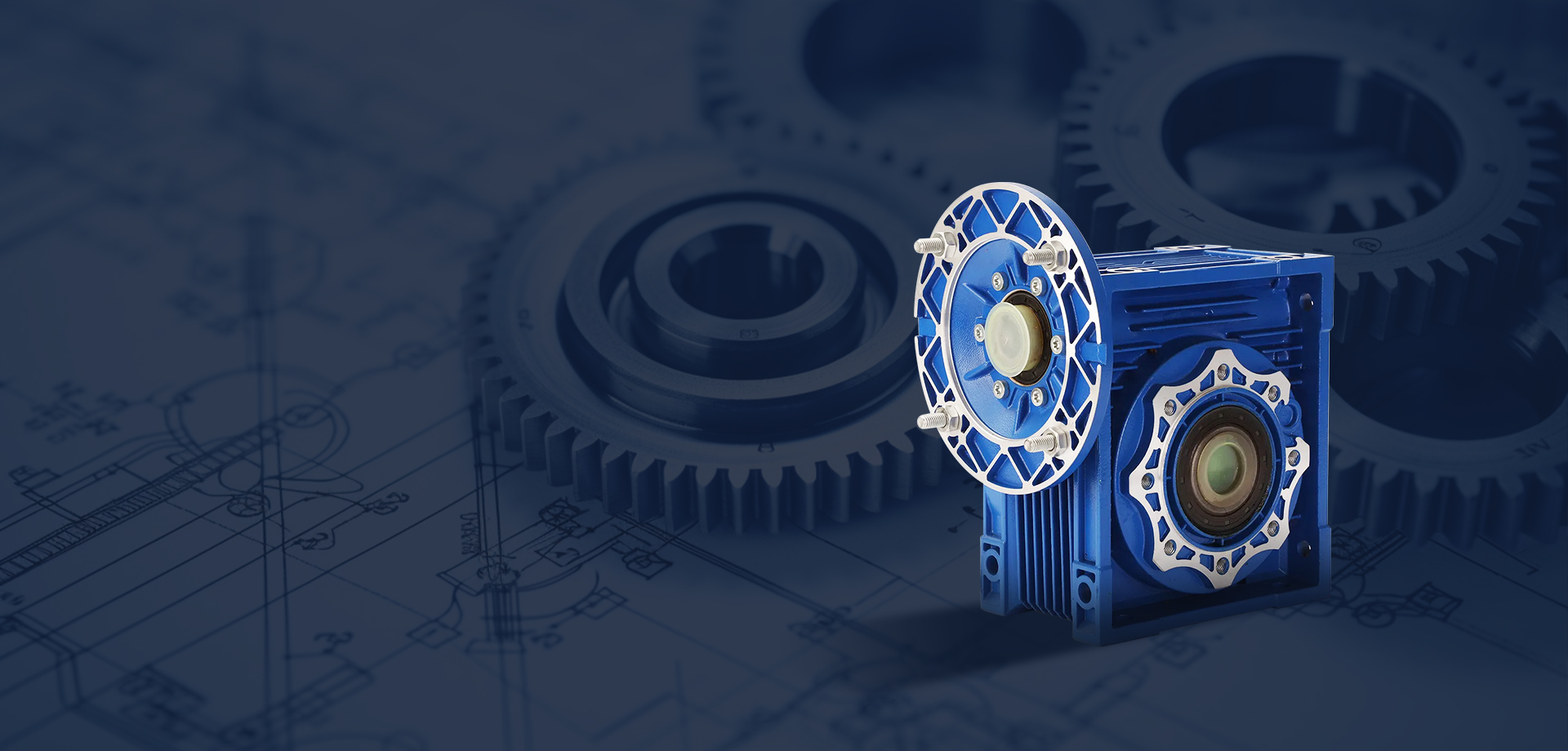
To guarantee the performance of our planetary gearboxes in demanding wind turbines and renewable energy systems, we maintain a strict, multi-phase testing and inspection protocol.
Quality is at the heart of everything we do
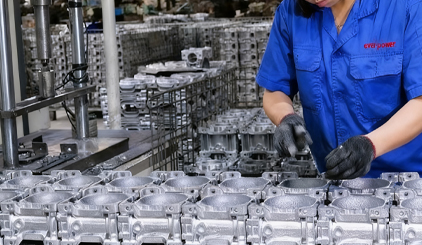

No diversions—just decades of refining helical, planetary, and parallel-shaft gearboxes for industrial applications.
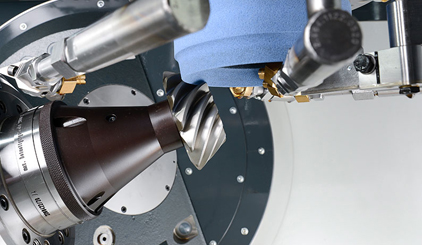

Critical processes like gear grinding, heat treatment, and housing machining are all done under one roof for consistent quality.
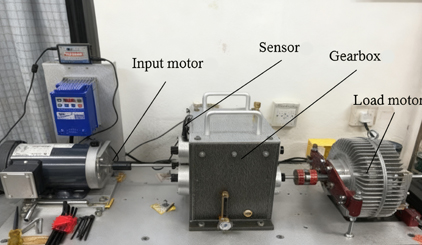

100% factory acceptance testing at rated torque with vibration, temperature, and leakage checks—test reports available on request.
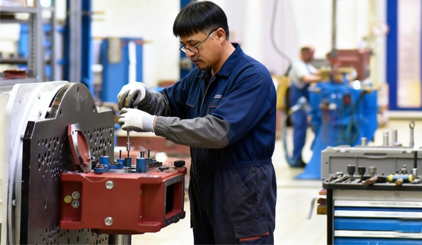

Our engineers provide prompt troubleshooting, installation advice, and maintenance recommendations in English or Chinese—because your uptime matters.
Explore our comprehensive range of high-torque, high-precision gearboxes designed for renewable energy systems and heavy-duty industrial applications.