
Leave Your Message
Explore our flagship planetary gearbox products engineered for precision industrial automation, robotic systems, CNC machinery, and heavy-duty motion control applications.
The global demand for high precision planetary gearboxes is accelerating at an unprecedented pace. As industries worldwide pivot toward smarter, leaner, and more automated production environments, precision power transmission components have become the invisible backbone of modern industrial machinery. From collaborative robots on automotive assembly lines to high-throughput semiconductor fabrication equipment, the planetary gearbox sits at the intersection of mechanical engineering and digital intelligence.
The global precision gearbox market surpassed USD 28 billion in 2024 and is forecast to grow at a CAGR exceeding 7.4% through 2030. Asia-Pacific leads demand, driven by China's advanced manufacturing push, South Korea's robotics boom, and India's rapid industrialization. North America and Europe follow closely, powered by reshoring initiatives and Industry 4.0 investments. The planetary gearbox segment specifically accounts for the largest share of precision gearbox revenues, owing to its superior torque-to-weight ratio and compact footprint.
The International Federation of Robotics (IFR) reports that global robot installations exceeded 500,000 units annually for the first time in 2023. Each industrial robot requires between 4 and 6 precision gearboxes for joint actuation. This single data point illustrates the explosive demand trajectory for high precision planetary gearboxes. Collaborative robots (cobots), autonomous mobile robots (AMRs), and articulated arm robots all rely on ultra-low-backlash planetary gear systems to achieve the sub-arcminute positioning accuracy demanded by modern production workflows.
The global transition to clean energy is generating massive new demand for precision gearboxes. Wind turbine pitch and yaw drives, solar tracker actuators, and electric vehicle drivetrain components all require high-load, high-efficiency planetary gear systems. A single multi-megawatt wind turbine can incorporate 10 or more precision planetary gearbox assemblies. As global wind capacity is projected to triple by 2035, the corresponding gearbox demand represents one of the most significant growth vectors in the entire power transmission industry.
Industry 4.0 and the Industrial Internet of Things (IIoT) are fundamentally reshaping requirements for precision gearboxes. Modern smart factories demand gear units that not only perform with extreme accuracy but also communicate operational data in real time. Condition monitoring sensors embedded in gearbox housings now transmit vibration, temperature, and load data to cloud-based analytics platforms, enabling predictive maintenance and zero-downtime production. This convergence of mechanical precision and digital intelligence is defining the next generation of industrial gearbox design.
What separates a high precision planetary gearbox from a standard reducer is not merely tighter tolerances — it is a holistic engineering philosophy that integrates advanced materials, optimized gear geometry, and intelligent manufacturing to deliver consistent, repeatable performance across millions of operating cycles.
Precision ground helical planetary gears achieve backlash values as low as ≤1 arcminute, enabling positioning repeatability at the micron level. This is critical for CNC machining centers, pick-and-place robots, and semiconductor wafer handling equipment where even nanometer-scale deviations can compromise product quality.
The distributed load architecture of a planetary gear system — where torque is shared across multiple planet gears simultaneously — delivers the highest torque-to-volume ratio of any gearbox configuration. This allows machine designers to achieve massive torque output within extremely compact envelopes, a decisive advantage in space-constrained automation platforms.
High precision planetary gearboxes utilize case-hardened alloy steel gears with surface hardness exceeding HRC 58–62, combined with proprietary carburizing and nitriding processes. Anti-friction coatings and precision-lapped bearing surfaces minimize thermal generation and extend service life beyond 20,000 operating hours in continuous duty applications.
Optimized tooth profile geometry and precision-balanced planetary carrier assemblies minimize internal friction losses, delivering transmission efficiencies exceeding 97% per stage. Integrated thermal management features — including finned housings, forced lubrication options, and thermal barrier coatings — ensure stable performance across operating temperatures from -40°C to +120°C.
Modern high precision planetary gearboxes are engineered on modular platforms that allow rapid configuration of gear ratios, mounting interfaces, output shaft types, and sealing systems. This modularity dramatically reduces lead times for OEM customers and enables seamless integration with servo motors from all major global drive manufacturers including Siemens, Fanuc, Yaskawa, and Mitsubishi.
Next-generation planetary gearboxes are increasingly equipped with embedded sensor nodes that monitor vibration signatures, oil temperature, and load cycles in real time. Integration with OPC-UA and MQTT protocols enables seamless data streaming to factory MES and ERP platforms, supporting predictive maintenance strategies that can reduce unplanned downtime by up to 70%.
High precision planetary gearboxes are not a commodity component — they are mission-critical subsystems whose performance directly determines the capability, throughput, and profitability of the machines they power. Here is an in-depth analysis of the most demanding application environments.
Six-axis articulated robots and collaborative robot arms require planetary gearboxes at every joint — typically 4 to 6 units per robot. The gearbox must deliver backlash below 3 arcminutes, torsional stiffness above 10 Nm/arcmin, and a service life exceeding 10,000 hours under continuous cyclic loading. The emergence of cobots operating alongside human workers adds further requirements for smooth, low-noise, low-vibration operation. Precision planetary gearboxes are the enabling technology that makes modern robotic joints possible.
5-axis CNC machining centers demand rotary table drives and spindle indexing systems with positioning accuracies measured in arcseconds. High precision planetary gearboxes integrated with direct-drive torque motors or servo motors provide the stiffness and zero-backlash performance required for titanium and Inconel aerospace component machining. Thermal stability is paramount — even micro-scale thermal expansion in the gearbox can translate to dimensional errors in finished parts.
Each wind turbine blade is controlled by a pitch drive system that must continuously adjust blade angle to optimize energy capture and protect the turbine in storm conditions. These planetary gearboxes operate in extreme environments — offshore salt spray, arctic temperatures, and continuous vibration — while handling peak torques exceeding 500 kNm. Yaw drives that orient the entire nacelle into the wind face similarly punishing duty cycles. Reliability is non-negotiable: a failed pitch drive gearbox on an offshore turbine can cost tens of thousands of dollars per day in lost generation and repair logistics.
Surgical robot systems, automated laboratory equipment, and pharmaceutical dispensing machines represent perhaps the most demanding precision gearbox application of all. Positioning errors measured in micrometers can have life-or-death consequences in surgical applications. Gearboxes for medical automation must be manufactured from biocompatible or cleanroom-compatible materials, operate silently, and maintain calibrated accuracy across tens of millions of operating cycles. Food-grade lubrication and IP67 sealing are standard requirements for pharmaceutical processing equipment.
Electric vehicle production lines are among the most automation-intensive manufacturing environments on earth. Body welding robots, battery module assembly systems, and powertrain assembly lines all rely on high precision planetary gearboxes for consistent, high-throughput operation. Beyond manufacturing, EV drivetrains themselves incorporate planetary gear sets for torque multiplication and speed reduction. The explosive growth of EV production — projected to reach 45 million units annually by 2030 — represents a transformative demand driver for the precision gearbox industry.
Slewing drives for cranes and excavators, hoist drives for construction elevators, and concrete mixer drives all utilize heavy-duty planetary gearboxes capable of sustaining shock loads many times their rated torque. The SWL screw jack series and shaft-mounted gearbox configurations are particularly well-suited for jump form construction lifting systems, where precise, synchronized lifting of formwork platforms at heights exceeding 200 meters demands absolute reliability and zero tolerance for mechanical failure.
The precision planetary gearbox industry is undergoing its most significant transformation in decades. Several converging technological and market forces are reshaping product design, manufacturing processes, and competitive dynamics across the global supply chain.
Artificial intelligence and generative design algorithms are enabling gear engineers to explore tooth profile geometries that were previously impossible to conceive using conventional analytical methods. AI-driven topology optimization of planetary carriers and ring gear housings is delivering weight reductions of 15–25% while simultaneously improving load distribution and fatigue life. These advances are being rapidly adopted by leading gearbox manufacturers to create next-generation products with step-change performance improvements.
Metal additive manufacturing (3D printing) is beginning to penetrate precision gearbox production for complex internal geometries, conformal cooling channels in housings, and low-volume custom components. While not yet displacing conventional precision machining for high-load gear elements, additive manufacturing is enabling faster prototyping cycles and the production of previously unmanufacturable geometric features that improve lubrication distribution and reduce stress concentrations.
The trend toward integrated motor-gearbox units (mechatronic actuators) is accelerating. Combining a high precision planetary gearbox directly with a permanent magnet servo motor in a single sealed housing eliminates coupling losses, reduces installation space by 40–60%, and simplifies system integration. These integrated actuator modules are becoming the preferred solution for collaborative robot joints, exoskeleton drives, and AGV wheel hub drives.
Environmental regulations and corporate sustainability commitments are driving demand for gearboxes with longer service lives, remanufacturability, and reduced lubrication requirements. Dry-running and solid-lubricated planetary gear systems for clean-room and food-processing applications are growing rapidly. Life-cycle assessment (LCA) methodologies are increasingly being applied to gearbox design, with manufacturers competing on total cost of ownership and carbon footprint metrics alongside traditional performance parameters.
The new space economy and expanding defense robotics programs are creating ultra-demanding niche markets for planetary gearboxes capable of operating in vacuum, extreme radiation, and cryogenic environments. Satellite attitude control mechanisms, lunar rover wheel drives, and autonomous military ground vehicles require gearboxes with reliability levels measured in decades of maintenance-free operation. These extreme applications are driving materials and lubrication innovations that ultimately benefit the broader industrial market.
Post-pandemic supply chain disruptions have accelerated a global trend toward regional manufacturing and supply chain diversification for critical industrial components. Major automation system integrators and OEMs are actively dual-sourcing or near-shoring their precision gearbox supply chains. This creates significant opportunities for manufacturers like HZPT that combine global-standard quality with flexible, responsive production and competitive total landed cost structures across multiple regional markets.
HANGZHOU EVER-POWER TRANSMISSION CO., LTD. (HZPT) is a leading manufacturer and global supplier of high-performance gearboxes, specializing in the design, development, and production of industrial and agricultural transmission systems. With over 15 years of experience in the power transmission industry, HZPT has grown into a modern enterprise integrating R&D, manufacturing, sales, and service, serving customers in more than 60 countries across Asia, Europe, North America, and Africa.
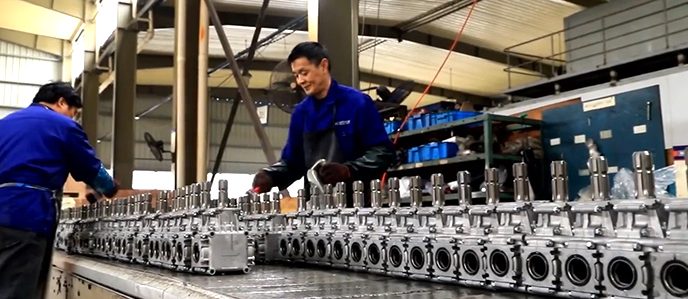
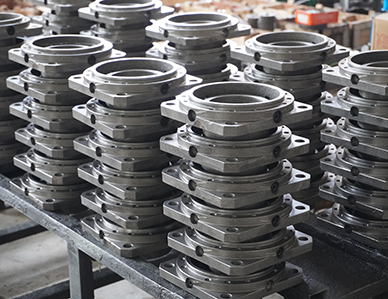
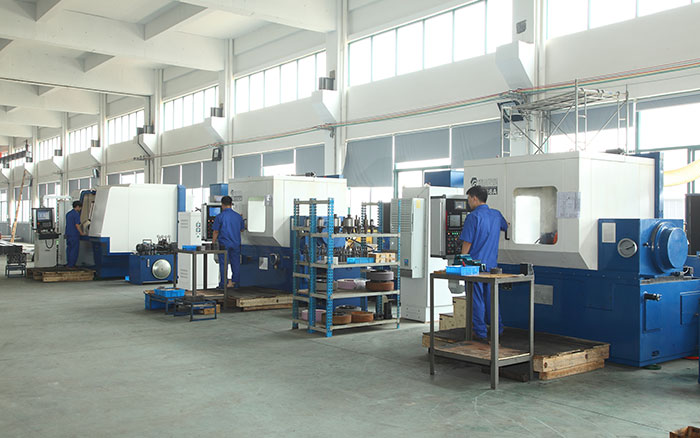
Our manufacturing base spans over 80,000 square meters, equipped with advanced CNC machining centers, precision gear grinding machines, automated assembly lines, and state-of-the-art testing facilities. We operate a fully integrated production system that ensures consistent quality from raw material sourcing to final product delivery.
From high precision planetary gearboxes for industrial automation to heavy-duty worm gear reducers for agricultural machinery, HZPT's product portfolio covers the full spectrum of power transmission requirements. Our engineering-first culture, combined with rigorous quality management and global service capabilities, makes HZPT the partner of choice for OEMs and system integrators worldwide who demand precision, reliability, and responsive support.
DISCOVER OUR SUSTAINABILITY PROJECTS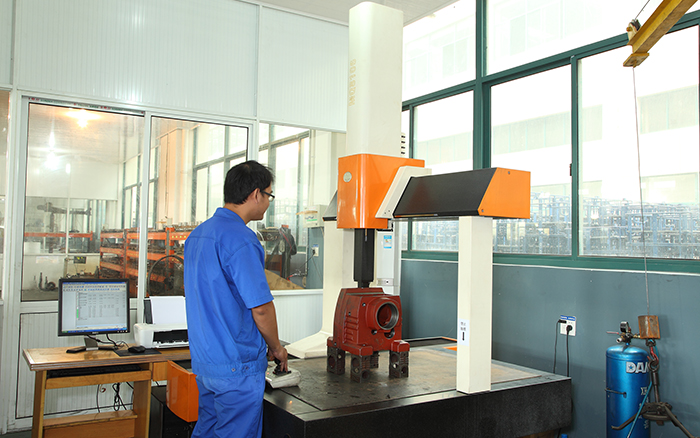
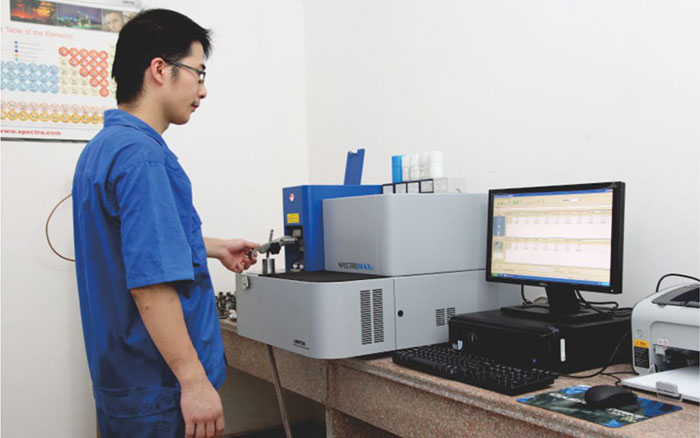
Our engineering team, led by veterans with over 15+ years of industry experience, is the core of our innovation. We maintain active "Industry-University-Research" collaborations with leading institutions to pioneer advancements in gear geometry, materials science, and tribology.
Our production floor is staffed by highly trained and experienced technicians, with over 30% holding advanced technical certifications. Their craftsmanship and attention to detail are embedded in every product we build.
Our leadership team brings international expertise and modern management practices, steering the company with a clear vision for sustainable growth and technological leadership in the global precision gearbox market.
Our commitment to quality and innovation is validated by third-party accreditations and intellectual property. We hold 30+ national patents, including 5 invention patents. These cover key areas like "Modular Housing Design," "High-Efficiency Helical-Herringbone Gear Profiles," "Integrated Cooling Systems," and "Proprietary Surface Treatment Processes."



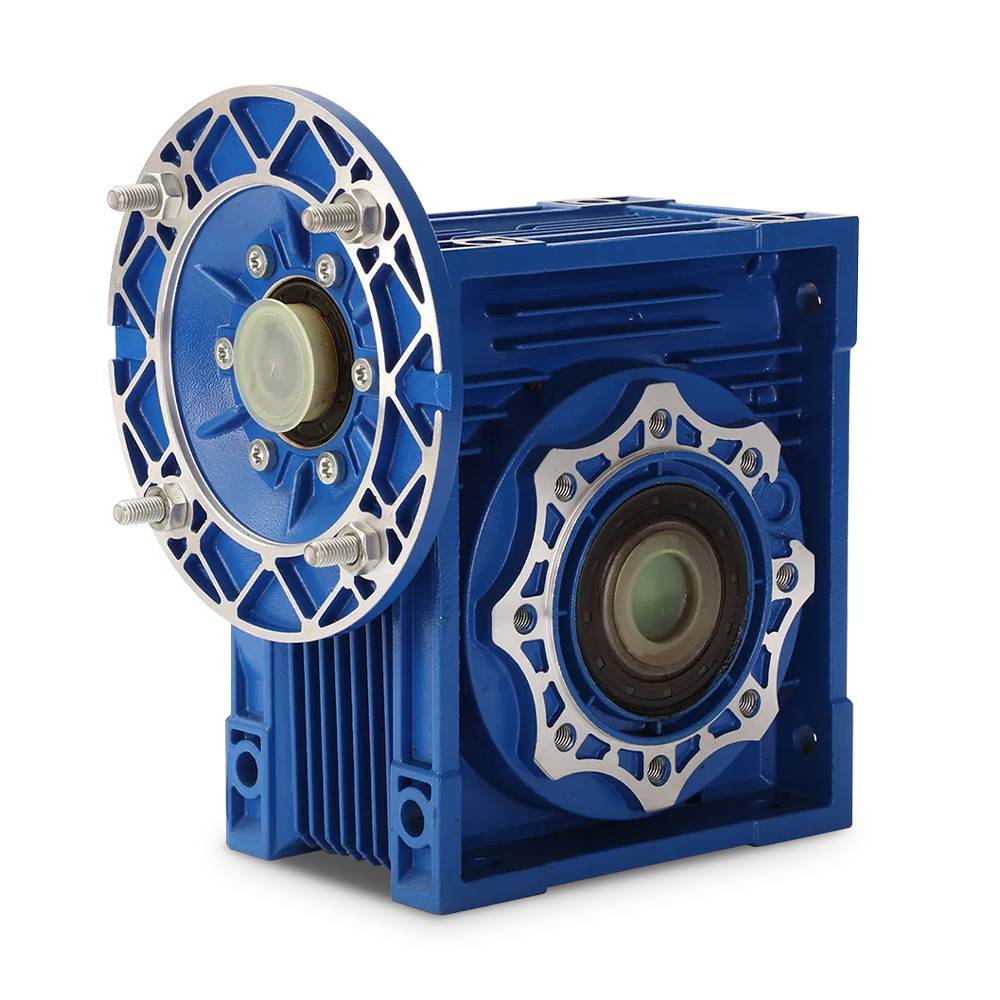
From planetary reducers for robotic joints to extruder gearboxes for polymer processing, HZPT offers a comprehensive range of precision transmission solutions engineered for every industrial application.
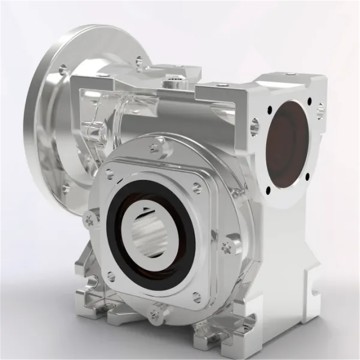
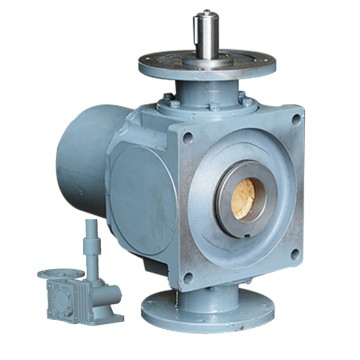
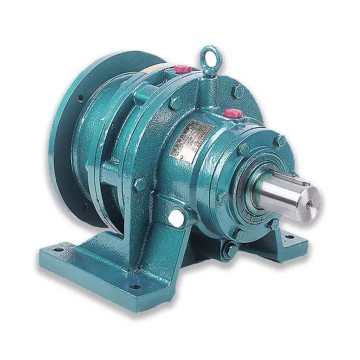
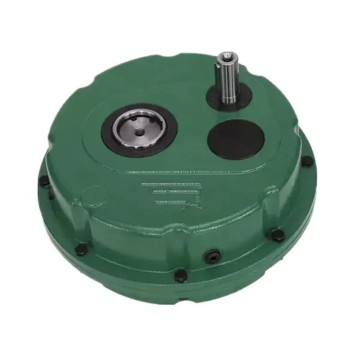
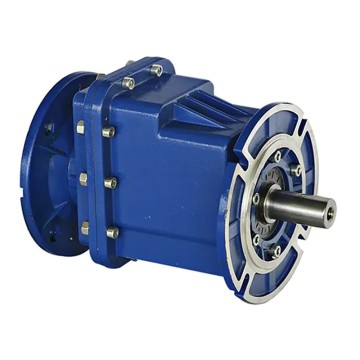
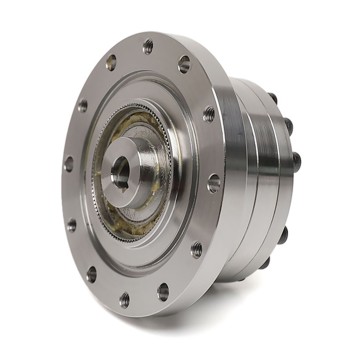
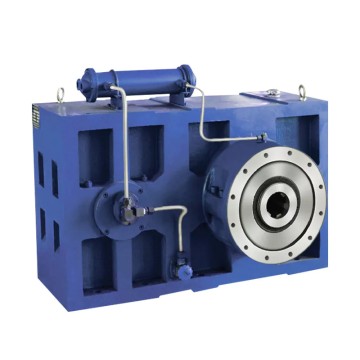
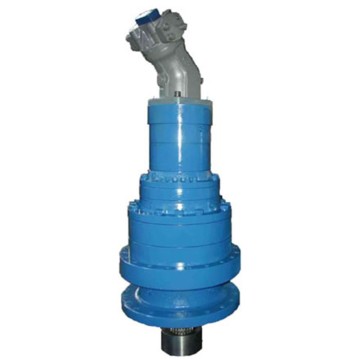
Partner with HZPT for high precision planetary gearbox solutions that deliver measurable gains in throughput, accuracy, and total cost of ownership. Our engineering team is ready to support your application from concept to commissioning — across 60+ countries worldwide.
GET IN TOUCH WITH OUR ENGINEERS