Leave Your Message
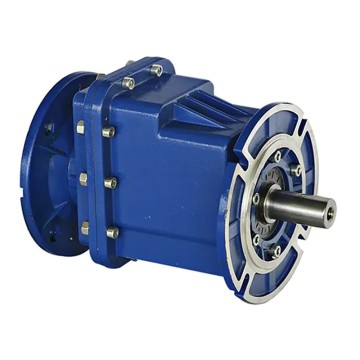
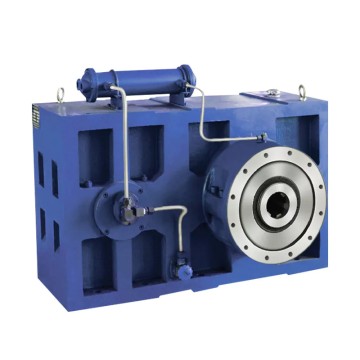
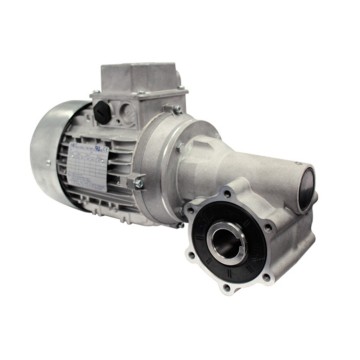
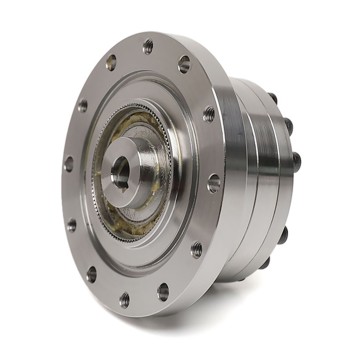
Explore our top-tier helical and planetary gearboxes specifically engineered for the rigorous demands of wastewater treatment plants and ecological management systems.
The global push towards sustainable industrial practices has placed unprecedented demands on Wastewater Treatment Plants (WWTPs) and broader environmental management systems. In these facilities, mechanical reliability is not just a matter of operational efficiency; it is a critical regulatory and environmental imperative. At the heart of this mechanical ecosystem lies the Helical Gearbox, a cornerstone of modern power transmission that ensures the continuous, uninterrupted processing of municipal and industrial effluents.
Unlike standard industrial environments, wastewater treatment facilities present some of the most hostile operating conditions for electromechanical equipment. Gearboxes deployed in these sectors must withstand 24/7 continuous operation, high shock loads, extreme humidity, airborne corrosive chemicals (such as hydrogen sulfide), and fluctuating outdoor temperatures. Consequently, the engineering behind a Helical Gearbox for Wastewater Treatment and Environmental Systems transcends basic torque multiplication—it requires advanced metallurgical sciences, specialized sealing technologies, and superior gear geometry optimization.
Biological treatment is the core of modern wastewater processing, relying heavily on surface aerators to introduce oxygen into aeration basins. Helical gearboxes used in these applications are subjected to massive radial and axial loads due to the churning of heavy wastewater. Our helical drive solutions feature reinforced output shafts, extended bearing spans, and specialized labyrinth seals to prevent water ingress. Their high mechanical efficiency (often exceeding 95%) significantly reduces the electrical consumption of multi-megawatt aeration arrays, directly contributing to the plant's eco-efficiency.
In the primary and secondary clarification stages, massive rake arms slowly sweep the bottom of circular tanks to collect settled sludge. This requires extremely low-speed, high-torque power transmission. Helical gearboxes, often combined with planetary or worm stages, provide the exact reduction ratios needed. More importantly, they offer superior overload protection. If a rake encounters a heavy obstruction, the robust helical gear teeth absorb the shock, while integrated shear pins or torque limiters protect the broader mechanical infrastructure from catastrophic failure.
Managing the solid waste (sludge) extracted from water is a highly energy-intensive process. Equipment such as screw presses, decanter centrifuges, and progressive cavity pumps require constant, smooth torque delivery to effectively squeeze water out of the biosolid mass. Helical gearboxes are ideal here due to their gradual tooth engagement, which minimizes vibration and noise—crucial factors when operating massive centrifuges at high speeds. The resulting dry sludge cake is easier and cheaper to transport, optimizing the facility's operational expenditure.
At the influent stage, raw wastewater passes through mechanical bar screens to remove large debris (plastics, wood, rags). The conveyors and rakes operating these screens experience sudden, unpredictable jamming forces. Helical gearboxes designed for these environmental systems utilize case-hardened and ground gears to prevent tooth breakage under sudden shock loads. Furthermore, their compact footprint allows for easy installation in the constrained spaces typical of underground influent pump stations.
The market for power transmission in environmental engineering is undergoing a massive transformation. Driven by stringent EPA regulations, the European Water Framework Directive, and rapid industrialization in emerging markets, governments are heavily investing in upgrading aging water infrastructure. As a result, the demand for highly reliable, application-specific helical gearboxes is at an all-time high.
Historically, many facilities relied on older, less efficient worm gearboxes. However, the paradigm is shifting. The modern industrial landscape demands Total Cost of Ownership (TCO) optimization. Helical gearboxes, with their superior rolling contact geometry, generate significantly less friction and heat compared to the sliding contact of worm gears. This efficiency translates directly into massive electricity savings over a 15-to-20-year lifecycle, aligning perfectly with global carbon-reduction mandates.
The most prominent development trend in the wastewater sector is the integration of Industry 4.0 and the Internet of Things (IoT). Unexpected gearbox failure in a municipal plant can lead to untreated sewage discharge, resulting in severe ecological damage and massive regulatory fines. To combat this, modern helical gearboxes are increasingly equipped with smart condition-monitoring sensors.
These sensors continuously track vibration signatures, oil temperature, and acoustic emissions. By utilizing AI-driven predictive maintenance algorithms, plant operators can identify microscopic gear pitting or bearing wear months before a catastrophic failure occurs. Maintenance can thus be scheduled during low-flow periods, ensuring absolute zero downtime. Furthermore, advancements in eco-friendly lubrication and bio-degradable oils are becoming standard, ensuring that even in the rare event of a leak, the local water ecosystem remains uncontaminated.
Advanced surface treatments are also evolving. Standard epoxy paints are being replaced by highly advanced, multi-layer polyurethane coatings and specialized anti-corrosion treatments (like C5-M marine-grade painting) to protect the gearbox housing from the highly acidic and hydrogen-sulfide-rich atmospheres of sludge digestion tanks.
Our journey is one of continuous evolution and strategic expansion.
Established in 2002, we began with a clear mission: to produce gearboxes of unmatched quality and durability. Our initial focus on standardized models allowed us to build a reputation for reliability and build a solid technical foundation.
Responding to market demands, we significantly expanded our production capabilities and R&D efforts. This period saw the introduction of custom-engineered and application-specific solutions, enabling us to serve more complex industrial needs and establish long-term partnerships.
In the era of Industry 4.0, we have embraced smart manufacturing. By integrating advanced digital design tools and automated processes, we now deliver next-generation products that are smarter, more compact, and more energy-efficient, solidifying our position as an industry innovator.
We invest in world-class technology to ensure every product that leaves our facility is built to excel.
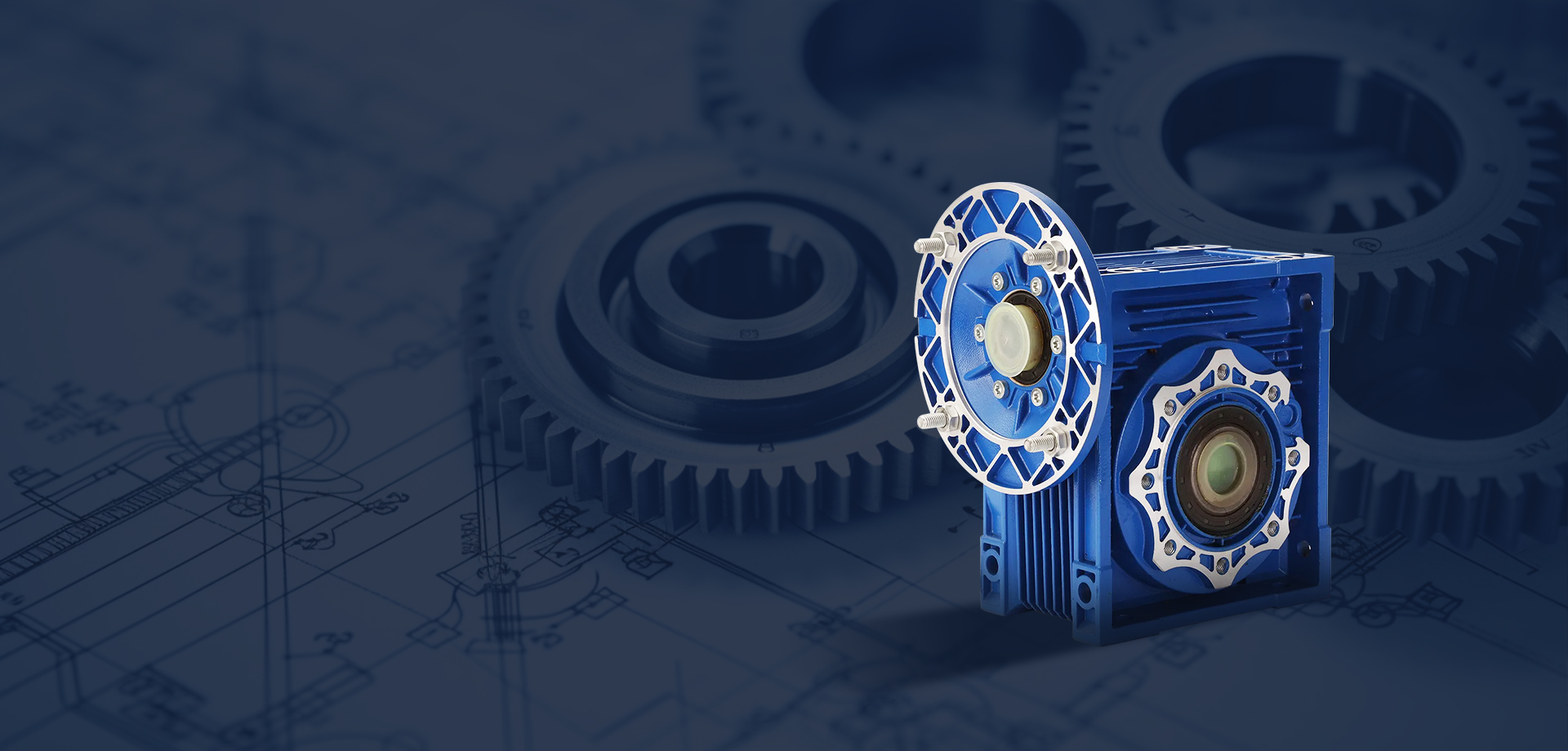
Quality is at the heart of everything we do

No diversions—just decades of refining helical, planetary, and parallel-shaft gearboxes for industrial applications.
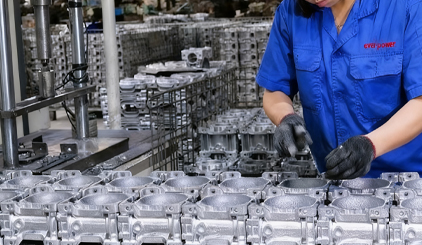

Critical processes like gear grinding, heat treatment, and housing machining are all done under one roof for consistent quality.
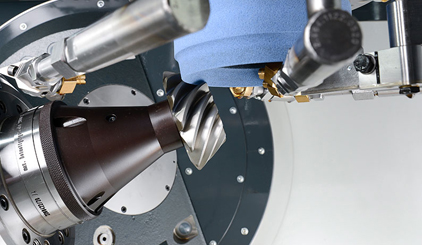

100% factory acceptance testing at rated torque with vibration, temperature, and leakage checks—test reports available on request.
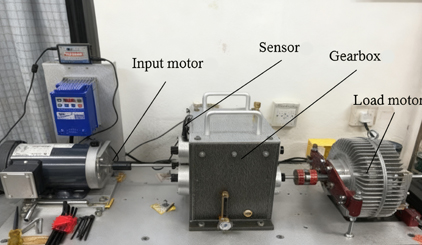

Our engineers provide prompt troubleshooting, installation advice, and maintenance recommendations in English or Chinese—because your uptime matters.
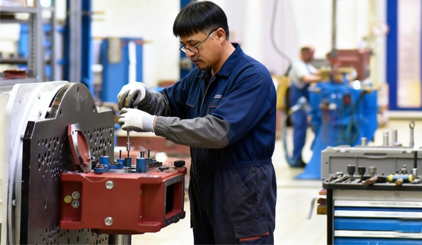
Discover our full range of robust power transmission products, engineered to meet the demanding specifications of global environmental and water treatment facilities.