Leave Your Message
Engineered for extreme reliability, low backlash, and maximum efficiency in automated production systems.
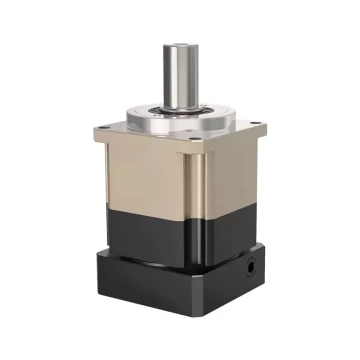
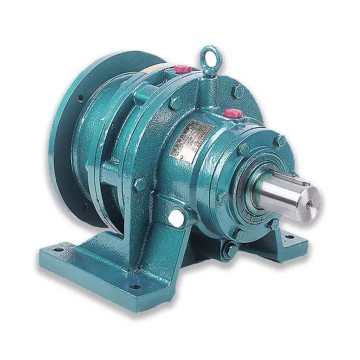
Analyzing market dynamics, technological shifts, and mechanical excellence in smart manufacturing.
In the contemporary landscape of manufacturing, the transition toward Industry 4.0 has elevated the demands placed on mechanical transmission components. The helical gearbox stands at the forefront of this revolution, serving as a critical hardware link between high-speed electric motors and heavy-duty industrial machinery. Unlike traditional spur gear systems, which experience sudden impact loading as teeth engage, helical gearboxes utilize angled teeth that mesh progressively. This fundamental design variation ensures smoother torque transmission, drastically reduced noise levels, and significantly higher load-bearing capacities.
Globally, the market for helical gearboxes is experiencing robust growth, driven by the rapid expansion of automated assembly lines, robotic packaging systems, and precise material handling systems. Modern factories require machinery that operates continuously with minimal downtime, high energy efficiency, and precise positioning. The helical gear configuration naturally offers higher efficiency levels—often exceeding 98% per stage—minimizing thermal losses and reducing overall energy consumption in large-scale operations.
The progressive meshing of helical teeth reduces vibration, ensuring quiet operation in workspace environments and protecting sensitive electronics from mechanical shock.
Helical gearboxes can transmit higher torque within a more compact frame size compared to spur gears, making them ideal for space-constrained automated machinery.
By distributing loads across multiple teeth simultaneously, helical gear reducers experience lower wear rates, translating to longer operational lifespans and reduced maintenance overheads.
From a commercial perspective, suppliers and manufacturers must deliver solutions that integrate seamlessly with servo motors and variable frequency drives (VFDs). High precision, low backlash, and high torsional stiffness are no longer optional features; they are standardized requirements for dynamic automation tasks. As factory floors become smarter, the demand for specialized helical gearboxes—ranging from inline helical designs to planetary and right-angle configurations—continues to soar across North America, Europe, and Asia-Pacific markets.
How helical gearboxes optimize performance across diverse, high-demand industrial sectors.
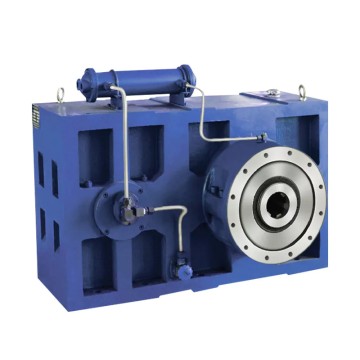
Plastic extrusion is a continuous, high-pressure process that demands unwavering torque stability and the capacity to withstand massive axial thrust loads. Specialized helical gearboxes, such as the ZLYJ Series, are engineered specifically for this purpose. Featuring integrated heavy-duty thrust bearings positioned directly behind the output shaft, these gearboxes absorb the extreme back-pressure generated by the extruding polymer screw. The helical gear configuration ensures that the torque delivered to the screw is fluid and pulsation-free, which is critical for maintaining uniform product thickness and preventing defects in extruded pipes, sheets, and profiles.
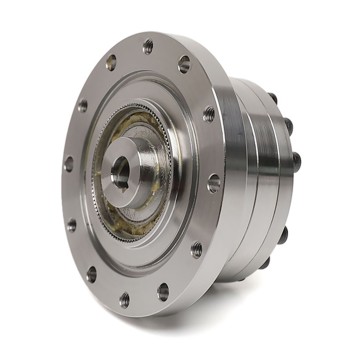
In robotic automation, precision and repeatability are paramount. Planetary helical gearboxes (like the TM042 series) are frequently integrated into the joints of articulated robotic arms and CNC rotary tables. The combination of planetary load sharing and helical tooth profiling delivers exceptionally low backlash (often measured in arc-minutes). This allows the robotic controller to achieve sub-millimeter positioning accuracy during high-speed pick-and-place, welding, and assembly tasks. Furthermore, the compact form factor of helical planetary systems allows designers to keep the robot's dead weight low, optimizing dynamic responsiveness.
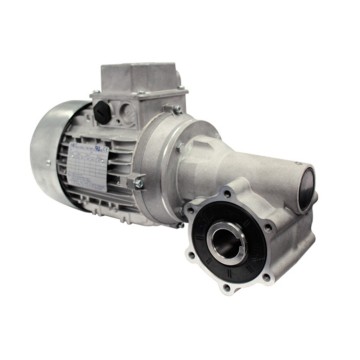
Modern distribution and logistics centers rely on miles of automated conveyors, sorting tables, and automated guided vehicles (AGVs) operating 24/7. In these applications, helical-bevel and inline helical gearboxes are the preferred choice. They offer the high efficiency required to keep energy costs low across thousands of drive units. The robust design of helical gears handles the sudden start-stop inertia and shock loads common in sorting systems without suffering mechanical fatigue, ensuring that supply chains remain uninterrupted.
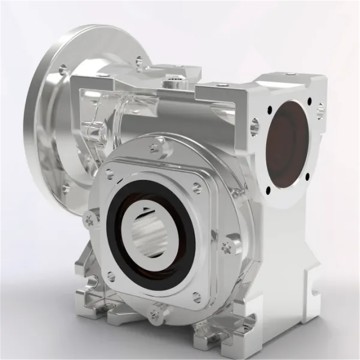
In food processing, pharmaceutical packaging, and automated car wash systems, machinery is regularly subjected to harsh cleaning chemicals, high-pressure water jets, and high humidity. Standard cast-iron gearboxes quickly succumb to corrosion, leading to seal failure and oil contamination. To combat this, premium stainless steel worm-helical gearboxes (such as the SSRV series) are deployed. These units feature smooth, crevice-free housings that prevent bacterial growth, coupled with advanced IP69K-rated sealing systems and synthetic food-grade lubricants, ensuring safe, long-term operation under extreme sanitization protocols.
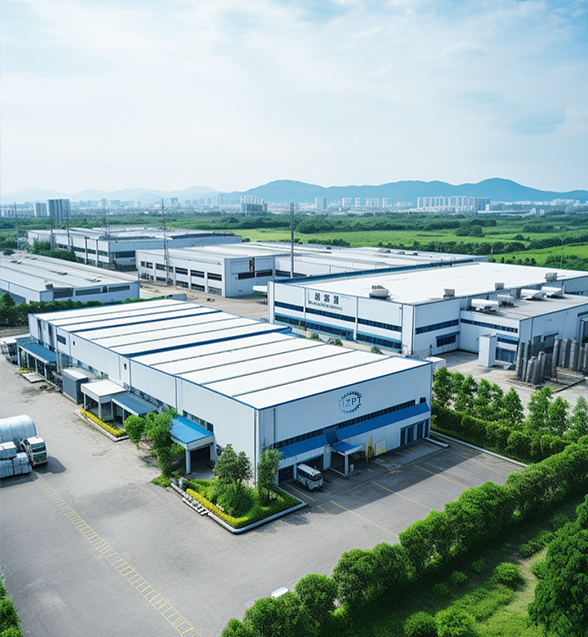
Your Trusted Partner in Precision Gearbox Solutions
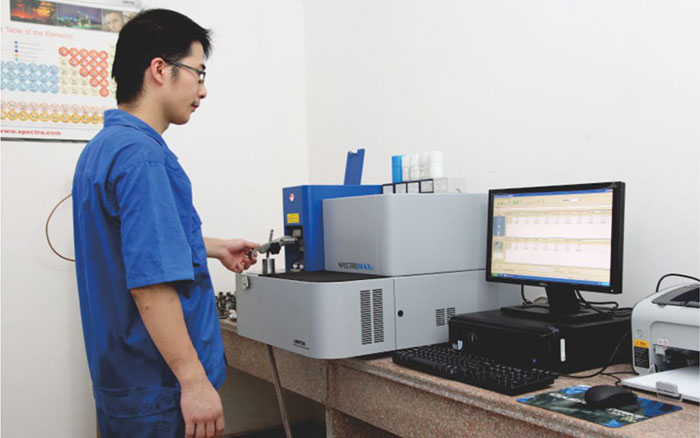
Our engineering team, led by veterans with over 15+ years of industry experience, is the core of our innovation. We maintain active "Industry-University-Research" collaborations with leading institutions to pioneer advancements in gear geometry, materials science, and tribology.
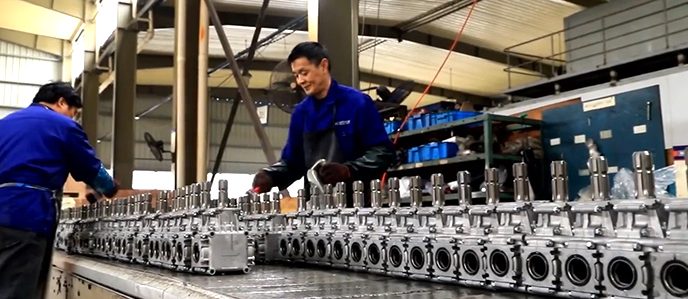
Our production floor is staffed by highly trained and experienced technicians, with over 30% holding advanced technical certifications. Their craftsmanship and attention to detail are embedded in every product we build.
Our leadership team brings international expertise and modern management practices, steering the company with a clear vision for sustainable growth and technological leadership.
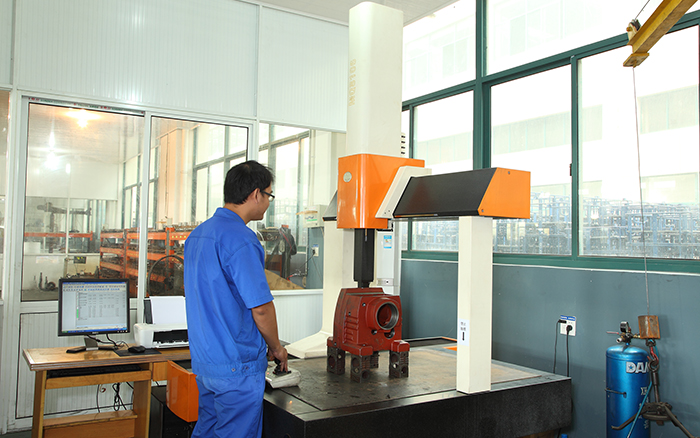
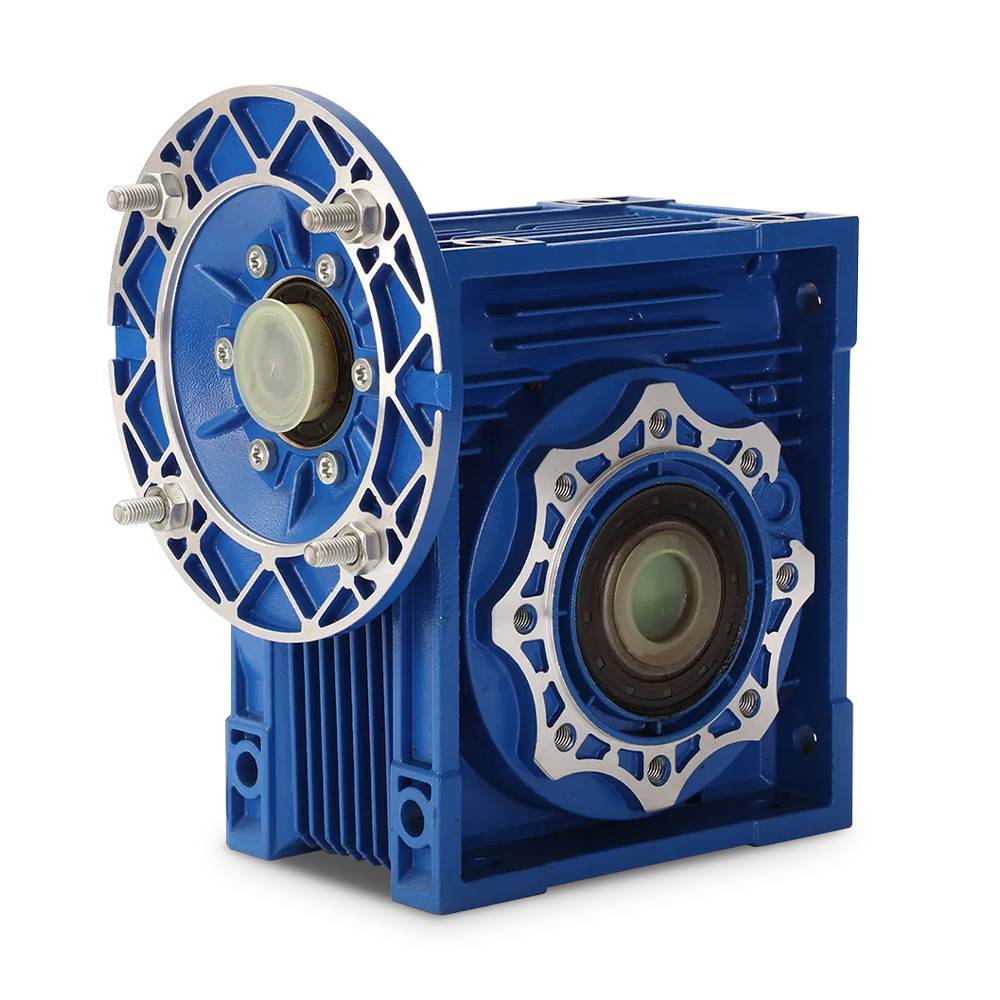
How digitalization, materials science, and smart diagnostics are shaping the next generation of gearboxes.
As industrial automation shifts toward smart factories, the humble gearbox is undergoing a digital transformation. The integration of Industrial Internet of Things (IIoT) sensors directly into the gearbox housing is a major trend. These smart gearboxes monitor vibration, temperature, and lubrication quality in real-time. By analyzing this data, predictive maintenance algorithms can forecast mechanical wear and schedule repairs before a catastrophic failure occurs, saving factories millions in unplanned downtime.
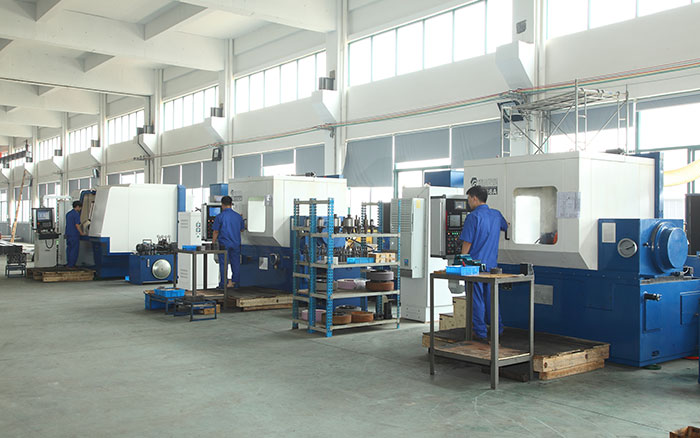
Another major trend is the advancement of gear tooth micro-geometry. Utilizing advanced CNC grinding machines and software simulations, engineers can modify the tooth profile at the micrometer level. This compensates for the slight bending of gears under heavy loads, ensuring optimal contact patterns, reducing noise emissions even further, and maximizing torque transmission efficiency. Additionally, the development of high-performance synthetic lubricants and advanced surface coatings (such as Diamond-Like Carbon, or DLC) is enabling gearboxes to operate at higher speeds and temperatures with reduced friction and thermal wear.
Our commitment to quality and innovation is validated by third-party accreditations and intellectual property.
We hold 30+ national patents, including 5 invention patents. These cover key areas like "Modular Housing Design," "High-Efficiency Helical-Herringbone Gear Profiles," "Integrated Cooling Systems," and "Proprietary Surface Treatment Processes."



Explore our full range of industrial gearboxes, speed reducers, and high-precision mechanical solutions.