Leave Your Message
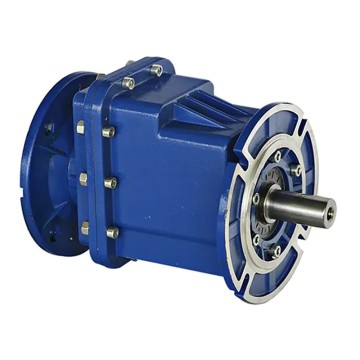
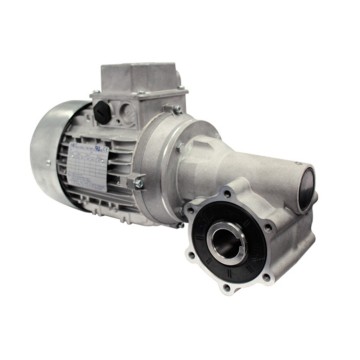
In the modern industrial landscape, efficiency, reliability, and continuous operation are the cornerstones of successful material handling and logistics systems. Whether it is moving bulk raw materials in mining sectors, transporting packages in automated e-commerce fulfillment centers, or managing heavy-duty assembly lines in automotive plants, conveyor systems are the lifelines of production. At the heart of these complex systems lies the power transmission unit—specifically, the helical gearbox.
The global material handling industry is undergoing a massive transformation, driven by the rapid expansion of e-commerce, automated warehousing, and the integration of Industry 4.0 technologies. Industrial operations can no longer afford unplanned downtime. A single gearbox failure on a primary conveyor belt can halt an entire production line, costing thousands of dollars per minute. Consequently, heavy industries and logistics giants are shifting away from lower-cost, high-maintenance worm gearboxes and adopting high-efficiency, long-lifespan helical gearboxes.
From a commercial standpoint, the demand for modular, robust, and energy-efficient speed reducers has skyrocketed. Regulatory frameworks worldwide are pushing for greener manufacturing processes, placing a premium on power transmission components that minimize energy dissipation. Helical gearboxes, with their parallel or right-angle configurations, satisfy these strict energy-efficiency mandates (such as IE3 and IE4 standards) while delivering the high output torque required to move tons of material over long distances.
Conveyor systems are not one-size-fits-all; they vary widely depending on the material, inclination, speed, and environment. Helical gearboxes are uniquely versatile, making them ideal for several specialized scenarios:
The future of gearboxes in material handling is intrinsically linked to smart manufacturing. The integration of Internet of Things (IoT) sensors into helical gear units allows for real-time condition monitoring. Maintenance teams can track oil temperature, vibration frequencies, and acoustic signatures to detect wear before a failure occurs. This transition from reactive to predictive maintenance is revolutionizing warehouse and factory management.
Furthermore, advancements in materials science have led to the development of specialized surface treatments and high-grade alloy steels. Precision gear grinding processes ensure micron-level accuracy in tooth profiles, minimizing friction losses and thermal generation. Environmental sustainability is also driving the adoption of biodegradable synthetic lubricants and corrosion-resistant coatings, making helical gearboxes suitable for food-grade conveyors and harsh outdoor environments alike.
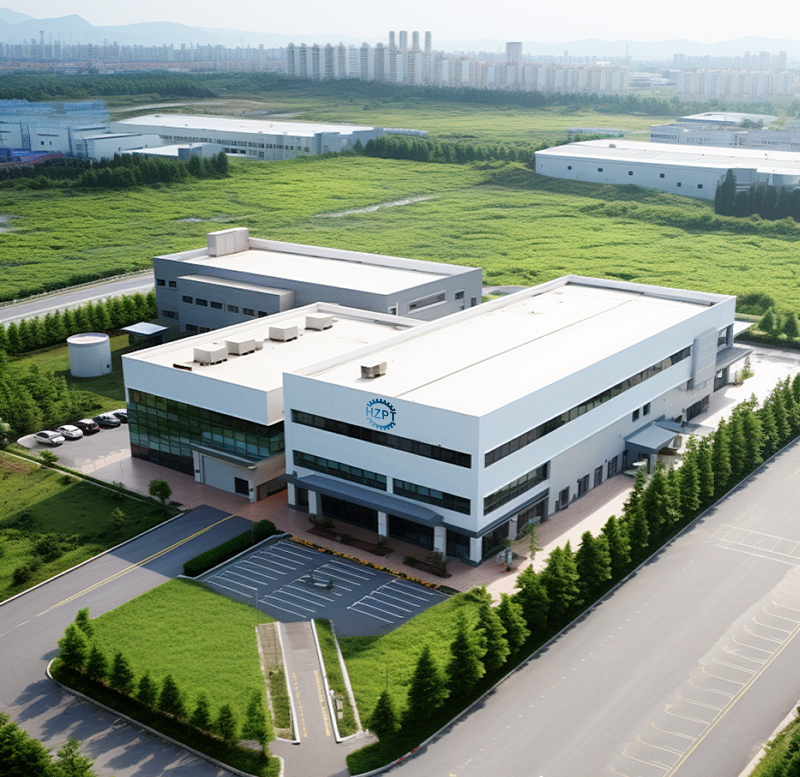


No diversions—just decades of refining helical, planetary, and parallel-shaft gearboxes for industrial and agricultural applications, ensuring high torque transfer in rugged outdoor conditions.

Planetary gearboxes are at the heart of wind turbine systems, driving yaw and pitch mechanisms that optimize blade angle and nacelle orientation. Built for 20+ years of maintenance-free operation in extreme environments.
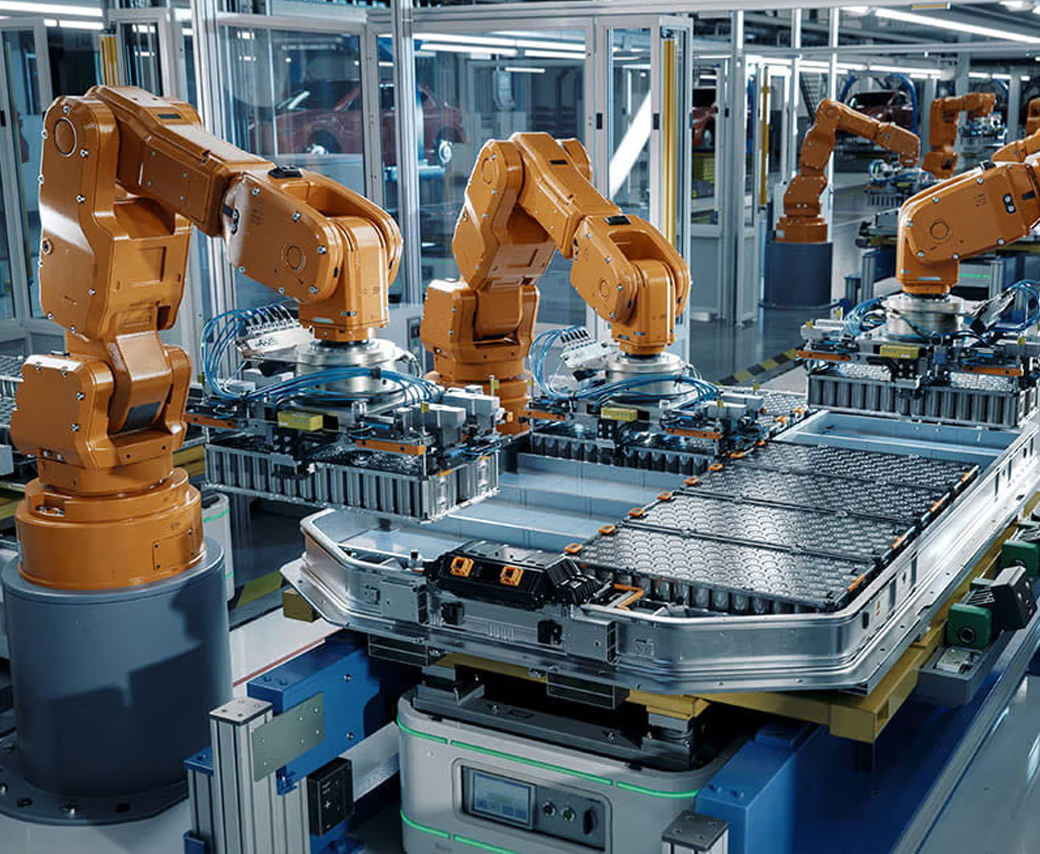
From robotic arms to high-speed CNC lathes and machining centers, our low-backlash planetary and helical gearboxes ensure micron-level positioning accuracy, smooth motion control, and long-term repeatability.
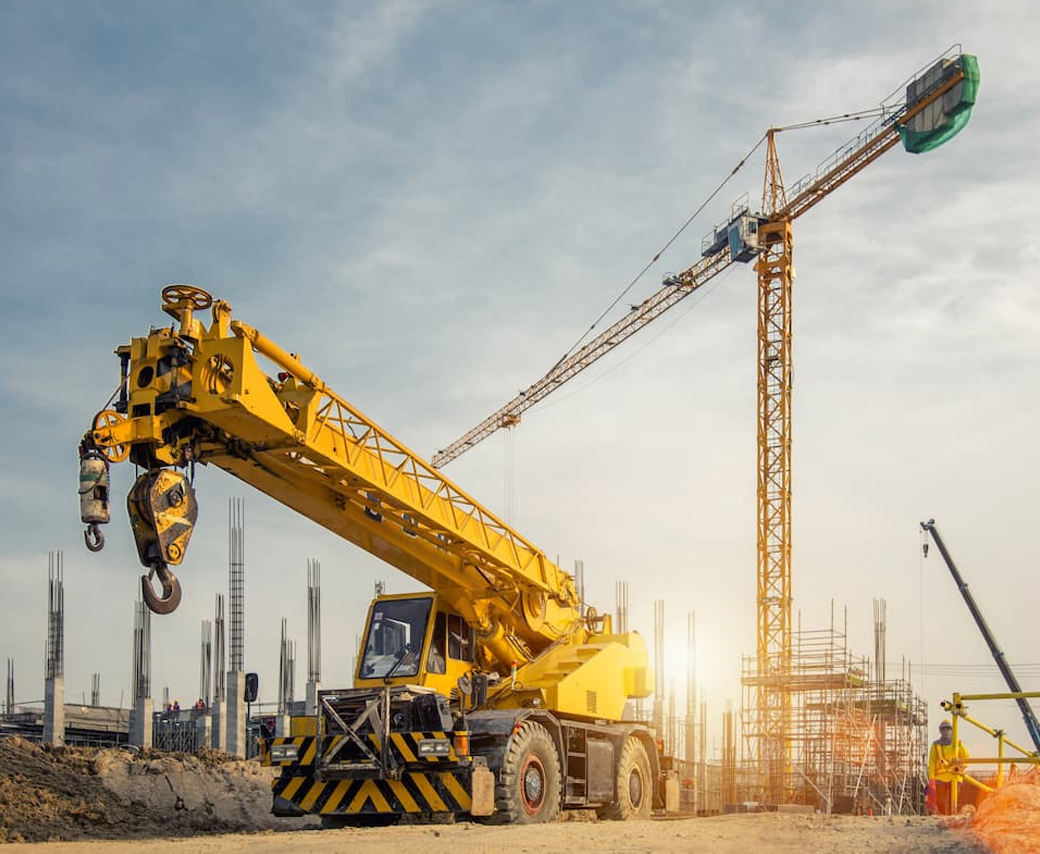
Used in cranes, excavators, concrete mixers, and pile drivers, our rugged helical and planetary gearboxes handle heavy loads, frequent starts/stops, and harsh job-site conditions where failure is not an option.