Leave Your Message
Precision-machined helical and planetary reduction systems built to endure severe axial loads, abrasive particulate ingress, and continuous duty cycles.
In modern aggregate extraction, surface mining, and sub-surface hard-rock processing, powertrain systems operate at the critical nexus of operational profitability and catastrophic downtime. Historically, heavy bulk material handling relied heavily on standard worm-drive mechanisms or oversized parallel-shaft configurations. However, accelerating extraction throughput demands, combined with stringent ESG (Environmental, Social, and Governance) carbon footprint limits, have elevated the helical bevel gearbox to an indispensable industry standard.
The helical bevel configuration merges the high axial thrust resilience and angular flexibility of spiral bevel gearing with the continuous tooth-engagement smoothness of helical stages. This orthogonal architecture (typically 90-degree right-angle orientation) optimizes physical footprint along crowded conveyor corridors, semi-autogenous grinding (SAG) mill auxiliary decks, bucket-wheel excavators, and track-mounted secondary crushers. Unlike worm gearing that dissipates significant input power through sliding friction—often yielding thermal efficiencies below 75%—modern multistage helical-bevel gearboxes consistently exceed 94% to 97% mechanical efficiency per stage. In mega-scale mining where drive motors regularly exceed 500 kW to 2 MW, this 15-20% efficiency differential preserves massive energy capital while substantially mitigating thermal fatigue on mechanical lubricants.
Gleason/Klingelnberg ground tooth flanks achieving AGMA 13 / ISO Class 5 precision standards, guaranteeing high contact ratios and superior micropitting protection under shock loading.
Monolithic GGG40 ductile cast iron or structural welded steel casings designed via finite element analysis (FEA) to absorb up to 300% momentary peak stall torque.
Grease-purged labyrinth sealing combined with Viton (FKM) radial lip rings completely isolates drive gearing from abrasive silica, coal dust, and slurry contaminants.
A mining-grade helical-bevel gearbox is an interconnected mechanical ecosystem engineered for high power transmission under severe elastohydrodynamic lubrication (EHL) conditions. Understanding the structural dynamics reveals why these reducers excel where standard industrial speed reducers fail prematurely:
The input stage features high-precision spiral bevel gears manufactured via Gleason face-hobbing or Klingelnberg cyclo-palloid methodologies. The curved tooth contour allows multiple teeth to come into gradual engagement, diffusing instant dynamic impact across a broader contact ellipse. Fabricated from premium vacuum-degassed alloy steels like 18CrNiMo7-6 or 17CrNiMo6, gear blanks undergo deep case carburization (58-62 HRC) followed by cryogenic sub-zero quenching to convert residual austenite into hard martensite. The resulting tooth flank achieves maximum surface fatigue strength against pitting, spalling, and sub-surface shear stress, while the core remains ductile (30-40 HRC) to safely deform elastically under shock loads.
Following the primary bevel reduction, secondary and tertiary stages deploy low-helix angle (typically 8° to 15°) helical gear sets. This controlled angle delivers seamless overlapping engagement ratios while actively minimizing unnecessary axial thrust forces directed toward the housing walls. Flanks are optimized using lead crowning (flank longitudinal correction) and tip relief to neutralize micro-misalignments induced by shaft deflection under heavy torque spikes. This ensures symmetrical contact patches across the entire facewidth even when driving high-tonnage apron feeders under sudden uncrushable tramp-metal entrapment.
Casing rigidity is paramount. Structural flexure under high load causes instantaneous gear tooth misalignment, concentrating stresses onto tooth edges and accelerating scuffing. Heavy-duty housings are cast from high-tensile nodular cast iron (EN-GJS-400-15 / EN-GJS-500-7) or custom-welded stress-relieved steel plates. Generous internal ribbing funnels structural load paths straight to the mounting feet. Shafts are supported by heavy-capacity spherical roller bearings and tapered roller bearings configured in back-to-back (O-arrangement) geometry to lock axial stability, neutralizing shaft runout under severe radial overhung loads (OHL) caused by chain sprockets or large conveyor head-pulley couplings.
| Powertrain Architecture | Mechanical Efficiency | Peak Shock Resistance | Thermal Dissipation | Maintenance Lifecycle |
|---|---|---|---|---|
| Helical Bevel (Multi-Stage) | 95.5% – 97.2% | Exceptional (Up to 300% Overload) | High (Integrated Fin-Coolers) | 40,000+ Hrs L10h Bearing Life |
| Single Worm / Helical-Worm | 68.0% – 84.0% | Moderate (Subject to bronze strip) | Poor (High frictional friction) | 10,000 – 15,000 Hrs (Frequent wear) |
| Standard Parallel-Shaft Helical | 96.0% – 98.0% | Very High (Direct alignment) | High | 35,000 – 40,000 Hrs |
| Standard Epicyclic Planetary | 93.0% – 95.0% | High (Distributed loads) | Moderate (Compact thermal mass) | 25,000 – 30,000 Hrs |
The operational spectrum of helical bevel gearboxes spans the entire mineral value chain, from initial overburden excavation down to refined mineral concentration:
Overland belt conveyors traversing several kilometers represent the circulatory system of modern open-cast operations. Starting up a loaded belt spanning several kilometers requires massive breakaway torque against static friction and dynamic belt stretch. Helical bevel drives equipped with integrated fluid couplings or variable frequency drives (VFD) provide smooth starting ramps. Crucially, in inclined and decline conveyors, these gearboxes incorporate integrated mechanical sprag-type backstops (holdbacks). The backstop is directly bathed in the gearbox lubrication reservoir, instantaneously arresting reverse belt rollback without backlash in the event of an unplanned power trip, protecting site personnel and downstream screening equipment.
Comminution equipment introduces extreme, cyclic shock loading that sends continuous shock waves back into the drive train. In these applications, helical bevel gear units are matched with heavy-mass flywheels and torque-limiting slip clutches. The gearbox bearings must withstand continuous alternating radial vibrations caused by eccentric rock fractures. High-grade spherical roller bearings featuring brass cages (machined from solid alloy, never stamped steel) prevent cage breakup under severe acceleration spikes.
In mega-excavators operating in continuous lignite and oil sands mining, space and weight constraints atop the digging boom are stringent. A right-angle helical bevel gearbox allows the drive motor to sit parallel with the boom structure, lowering overhang moments and structural counterweight requirements. Furthermore, specialized splash oil routing baffles and positive-displacement lubrication pumps guarantee steady oil supply to the upper bevel bearings even when the boom tilts at aggressive pitch angles up to 25 degrees during high-bench cuts.
While primary mill rotation is often governed by massive girth gear ring drives, helical bevel reducers serve as the core powertrain for inching and auxiliary mill drives. These auxiliary units are deployed for precise angular positioning of the mill shell during liner replacement, charge loading, and controlled cool-down cycles to prevent thermal bow. The gearbox must deliver enormous output reduction ratios (exceeding 250:1 to 500:1) with integrated hydraulic overrunning clutches to smoothly decouple when the high-speed main motor engages.
Heat and dust are the dual adversaries of industrial power transmissions. In hot desert mining environments like Western Australia or the Atacama, ambient temperatures routinely breach 45°C (113°F), pushing gearbox sump temperatures toward critical thresholds where oil film thickness collapses.
Modern helical-bevel reducers in mining applications mandate ISO VG 220, 320, or 460 synthetic lubricants—primarily Polyalphaolefin (PAO) or Polyglycol (PAG) chemistries. PAO synthetics exhibit high viscosity indices (VI > 160), ensuring the fluid maintains adequate hydrodynamic film separation at 90°C while maintaining pumpability during arctic winter cold starts down to -40°C. Advanced extreme pressure (EP) additive packages contain sulphur-phosphorus compounds that chemically react with micro-asperities under localized frictional flash temperatures, forming sacrificial boundary layers that avert severe scuffing and adhesive welding.
When natural convection and casing radiation are insufficient to manage internal mechanical churn heat, helical bevel gearboxes are equipped with auxiliary cooling circuits. These include shaft-driven mechanical fan cowls featuring aerodynamic aerofoil impellers, internal copper-nickel or stainless steel cooling coils connected to site cooling loops, or external standalone pump-filter-cooler skids. These skids continuously cycle oil through dual spin-on 10-micron particulate filters and air-blast heat exchangers, keeping equilibrium sump temperatures below 80°C.
Standard elastomeric oil seals fail within months in mining environments as airborne quartz and mineral dust embed in rubber lips, scoring input and output shafts like grinding paste. Helical bevel mining reducers feature multi-barrier Taconite seals. This sealing package incorporates an external heavy grease cavity, a non-contact brass labyrinth ring, and internal spring-loaded Viton (FKM) lip seals. Grease purged periodically through external grease nipples sweeps outward, ejecting dirt particles before they ever approach the primary oil retention barrier.
The dawn of Industry 4.0 and AI-driven asset health analytics has profoundly transformed industrial gearbox management. High-value gear units are no longer isolated mechanical blocks; they are smart, sensor-dense edge nodes within mining IoT telemetry networks.
In heavy industrial procurement, the initial capital expenditure (CAPEX) represents merely 10% to 15% of a gearbox’s total 20-year operational expenditure (OPEX). The remaining 85% is consumed by electrical energy consumption, lubricant disposal, routine maintenance overhauls, and the staggering economic cost of unplanned production halts.
Investing in a high-efficiency helical bevel gearbox provides massive economic dividends. By shifting from an 82% efficient legacy setup to a 96% efficient helical bevel transmission on a 400 kW conveyor motor operating 8,000 hours per annum, an operation eliminates hundreds of megawatt-hours of parasitic power losses. This conservation directly trims thousands of tons of operational CO2 emissions while reducing cumulative mechanical wear. Through modular component architectures, precision ground gear sets can be inspected, reversed, or recut during planned mid-life rebuilds, preserving critical raw material resources and establishing a closed-loop circular economy in heavy powertrain engineering.
Proven mechanical reliability across demanding heavy industries, where operational uptime and high torque capacity determine project success.
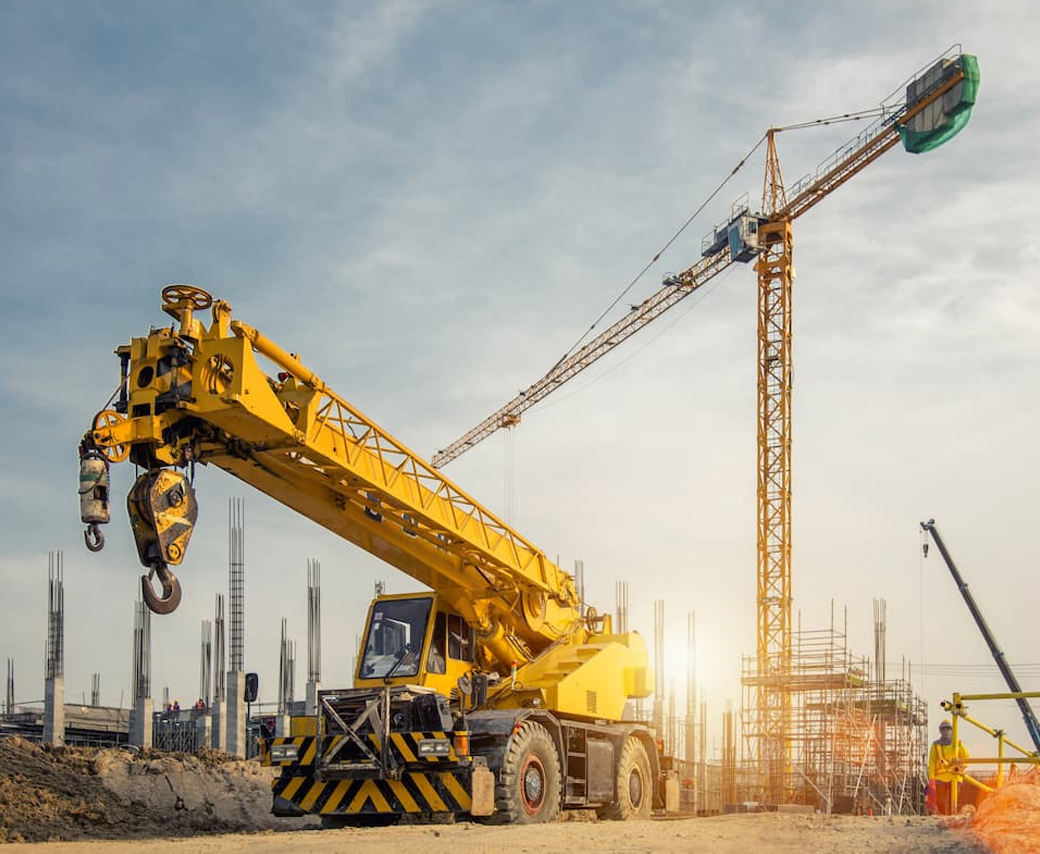
Used in cranes, excavators, concrete mixers, and pile drivers, our rugged helical and planetary gearboxes handle heavy loads, frequent starts/stops, and harsh job-site conditions—ensuring durability where failure is not an option.
Explore Solutions
Planetary gearboxes are at the heart of wind turbine systems, driving yaw and pitch mechanisms that optimize blade angle and nacelle orientation. Built for 20+ years of maintenance-free operation in extreme environments.
Read more
No diversions—just decades of refining helical, planetary, and parallel-shaft gearboxes for industrial and agricultural transmission applications, enduring relentless outdoor weather cycles.
Read more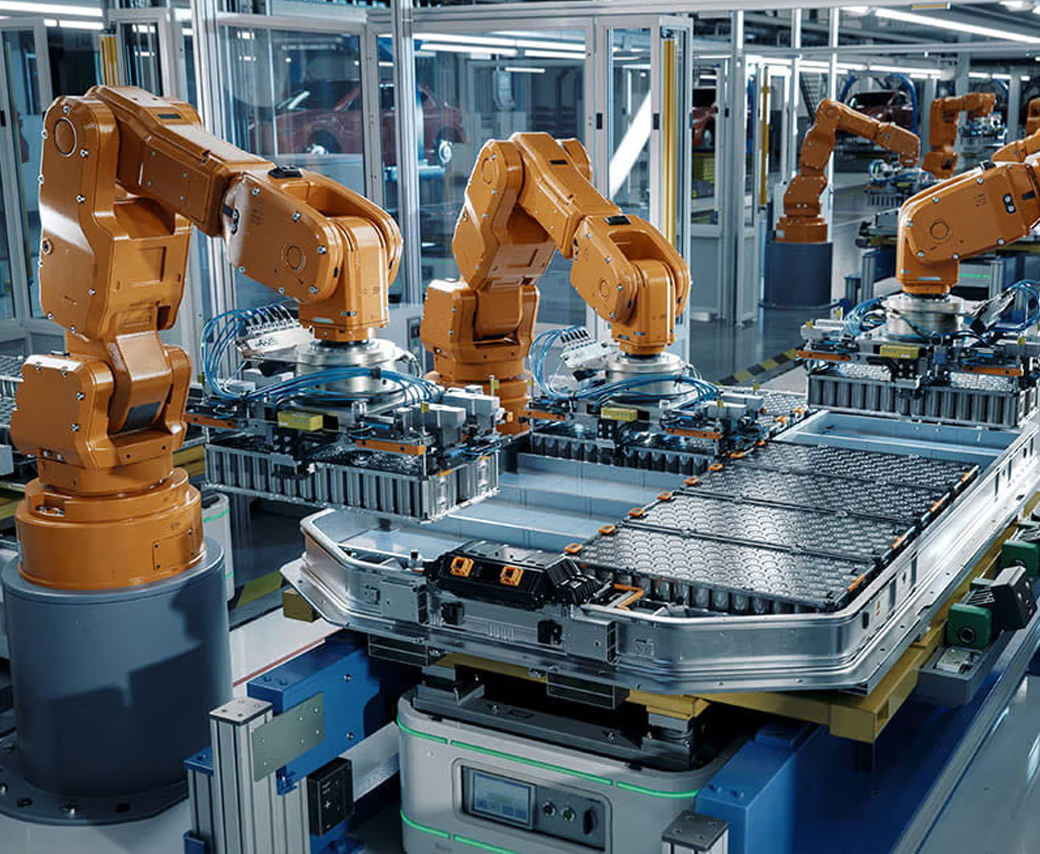
From robotic arms to high-speed CNC lathes and machining centers, our low-backlash planetary gearboxes ensure micron-level positioning accuracy, smooth motion control, and long-term repeatability in automated production lines.
Read more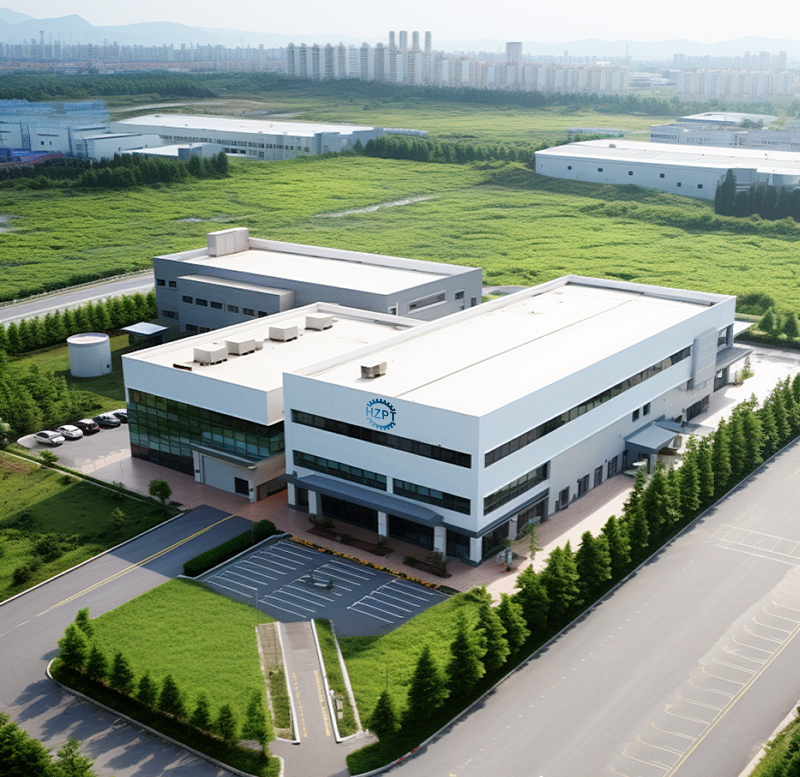

HANGZHOU EVER-POWER TRANSMISSION CO., LTD. (HZPT) is a leading manufacturer and global supplier of high-performance gearboxes, specializing in the design, development, and production of industrial and agricultural transmission systems.
With over 15 years of experience in the power transmission industry, HZPT has grown into a modern enterprise integrating R&D, manufacturing, sales, and service, serving customers in more than 60 countries across Asia, Europe, North America, and Africa.
Our manufacturing base spans over 80,000 square meters, equipped with advanced CNC machining centers, precision gear grinding machines, automated assembly lines, and state-of-the-art testing facilities. We operate a fully integrated production system that ensures consistent quality from raw material sourcing to final product delivery.
From micro-precision robotics to heavy industrial conveyors, discover our complete certified transmission portfolio.