Leave Your Message
Engineered for high torque, maximum safety, and absolute precision in hoisting applications.
In the rapidly evolving landscape of material handling, the demand for precision, safety, and compactness has driven a significant technological shift. The Harmonic Reducer for cranes, hoists, and lifting equipment is emerging as a critical component in modern engineering. Traditionally, harmonic drives (also known as strain wave gears) were strictly reserved for aerospace and highly precise robotics due to their zero-backlash characteristics and lightweight design. However, recent advancements in metallurgy, tribology, and structural engineering have drastically increased their torque capacity and durability, making them highly viable and increasingly preferred for heavy-duty lifting mechanisms.
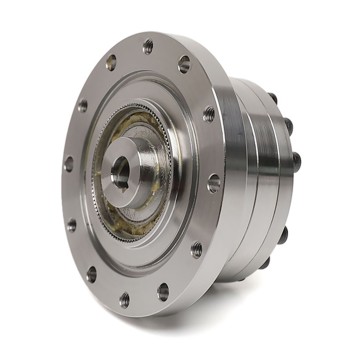
Unlike conventional planetary or worm gearboxes, a harmonic reducer operates on a unique principle involving three core components: the Wave Generator, the Flexspline, and the Circular Spline. By utilizing the elastic deformation of metal (the flexspline) to transmit torque, these reducers achieve incredibly high reduction ratios in a single stage—often up to 160:1 or more. For cranes and hoists, this means a massive reduction in the physical footprint and weight of the hoisting motor assembly, allowing for sleeker, more aerodynamic, and highly efficient lifting equipment without compromising on the formidable torque required to move tons of material.
The industrial sector is currently witnessing a transition. In 2024 and beyond, the commercial landscape for lifting equipment is heavily focused on automation, energy efficiency, and spatial optimization. Traditional industrial hoists rely on bulky helical or worm gearboxes. While reliable, these legacy systems suffer from inherent backlash (play between the gear teeth), lower mechanical efficiency at high ratios, and significant weight penalties. In contrast, the integration of harmonic reducers into the lifting industry is solving these exact pain points.
Commercially, manufacturers of automated guided vehicles (AGVs), automated storage and retrieval systems (ASRS), and modern intelligent factory hoists are adopting harmonic reducers at unprecedented rates. The lack of backlash ensures that when a hoist stops, the load remains perfectly stationary without the dangerous "bounce" or micro-sway associated with standard gears. This absolute positioning accuracy is not just a luxury; it is a strict requirement in sectors such as semiconductor manufacturing, aerospace assembly, and nuclear facility maintenance, where a dropped or swinging load could result in catastrophic financial or safety consequences. The market trend shows a compound annual growth rate (CAGR) heavily skewed toward high-precision transmission systems, validating the harmonic reducer's new role in heavy industry.
Exploring how harmonic transmission technology is applied across various heavy-duty and precision lifting environments.
In the construction of high-rise buildings, tower cranes operate under extreme environmental conditions, particularly high wind loads. The slewing mechanism (which rotates the crane's jib) and the hoisting mechanism require absolute control. By implementing harmonic reducers in the micro-positioning controls of these cranes, operators achieve millimeter-level accuracy when placing heavy steel beams or prefabricated concrete modules. The high torsional stiffness of the harmonic drive resists external wind forces, preventing the jib from drifting and ensuring the load is delivered exactly where the structural engineers require it.
Modern automotive and electronics assembly lines utilize overhead gantry systems and hoists to transport chassis, engines, and delicate components. These environments demand "Smart Hoists." A harmonic reducer paired with a servo motor allows for seamless integration into IoT-enabled factory floors. Because the harmonic gear has zero backlash, the synchronization of multiple lifting points (e.g., four hoists lifting a single fragile vehicle chassis) is flawless. The compact size of the reducer also means the hoist headroom is minimized, maximizing the vertical working space within the factory.
Logistics and warehousing have been revolutionized by AGVs equipped with integrated lifting platforms. These vehicles slide under heavy pallets and lift them for transport. Space is at a premium within an AGV chassis. Harmonic reducers provide an unmatched torque-to-weight ratio, enabling powerful lifting mechanisms to fit within the ultra-low profile of warehouse robots. Furthermore, the inherent back-drivability resistance of certain harmonic configurations adds an intrinsic layer of safety, preventing the load from dropping in the event of a sudden power failure.
Offshore oil rigs and marine vessels require lifting equipment that can withstand highly corrosive environments while dealing with the dynamic pitch and roll of the ocean. Harmonic reducers used in marine winches are increasingly being manufactured with specialized stainless steel components and advanced surface treatments. Their enclosed, compact nature makes them easier to seal against saltwater ingress compared to large, multi-stage planetary gearboxes. They provide the precise tension control needed for tethering submarines, deploying sonar equipment, or transferring cargo between ships in rough seas.
The trajectory of harmonic reducers in lifting equipment is defined by the convergence of mechanical engineering and artificial intelligence. One of the most significant development trends is the advent of Sensor-Integrated Smart Gearboxes. Future harmonic reducers for cranes will feature embedded strain gauges, temperature sensors, and vibration monitors directly attached to the flexspline. This IoT connectivity will feed real-time data to AI-driven predictive maintenance systems. Instead of scheduled maintenance, the lifting equipment will alert operators exactly when a component is nearing its fatigue limit, drastically reducing downtime and preventing catastrophic failures during heavy lifts.
Material science is another frontier. To further increase the payload capacity of hoists without adding weight, R&D teams are experimenting with advanced alloys, including titanium-based flexsplines and carbon-fiber reinforced housings. These materials offer superior fatigue resistance and tensile strength. As manufacturing techniques like high-precision 3D metal printing mature, the cost of producing these custom, high-strength harmonic drives will decrease, accelerating their adoption from niche precision applications to standard, everyday heavy-duty lifting equipment.
Ultimately, as industries push towards autonomous construction and fully dark factories (factories operating without human intervention), the absolute reliability and precision of the harmonic reducer will make it the undisputed standard for all automated lifting, hoisting, and positioning systems.
Your Trusted Partner in Precision Gearbox Solutions
HANGZHOU EVER-POWER TRANSMISSION CO., LTD. (HZPT) is a leading manufacturer and global supplier of high-performance gearboxes, specializing in the design, development, and production of industrial and agricultural transmission systems. With over 15 years of experience in the power transmission industry, HZPT has grown into a modern enterprise integrating R&D, manufacturing, sales, and service, serving customers in more than 60 countries across Asia, Europe, North America, and Africa.
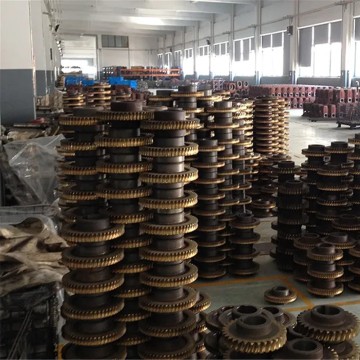
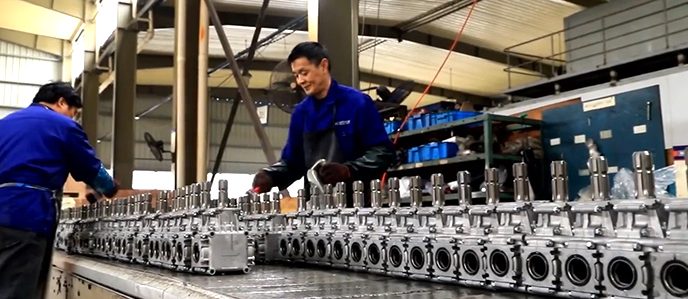
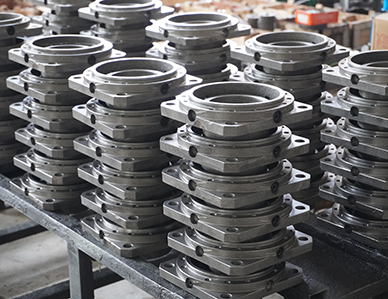
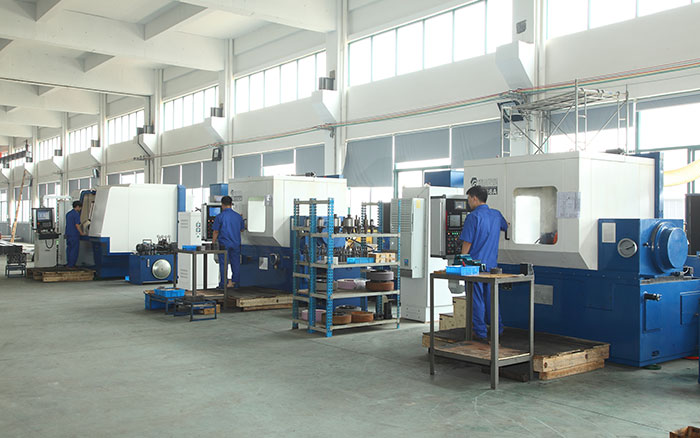
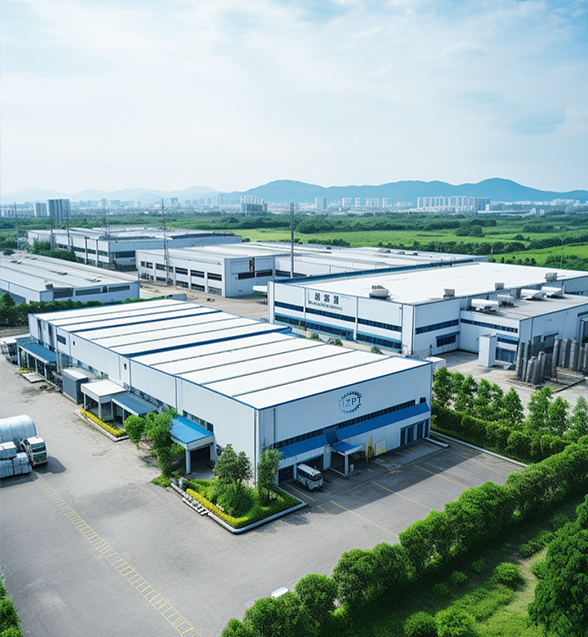
Our manufacturing base spans over 80,000 square meters, equipped with advanced CNC machining centers, precision gear grinding machines, automated assembly lines, and state-of-the-art testing facilities. We operate a fully integrated production system that ensures consistent quality from raw material sourcing to final product delivery.
R&D Department: Our engineering team, led by veterans with over 15+ years of industry experience, is the core of our innovation. We maintain active "Industry-University-Research" collaborations with leading institutions to pioneer advancements in gear geometry, materials science, and tribology.
Skilled Workforce: Our production floor is staffed by highly trained and experienced technicians, with over 30% holding advanced technical certifications. Their craftsmanship and attention to detail are embedded in every product we build.
Management: Our leadership team brings international expertise and modern management practices, steering the company with a clear vision for sustainable growth and technological leadership.
DISCOVER OUR SUSTAINABILITY PROJECTS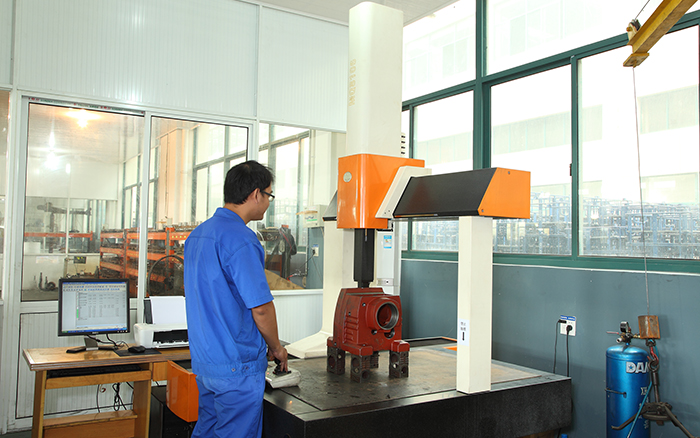
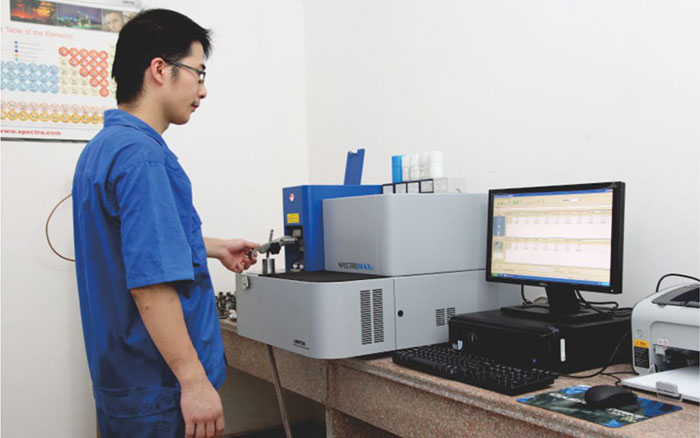
Our commitment to quality and innovation is validated by third-party accreditations and intellectual property. We hold 30+ national patents, including 5 invention patents. These cover key areas like "Modular Housing Design," "High-Efficiency Helical-Herringbone Gear Profiles," "Integrated Cooling Systems," and "Proprietary Surface Treatment Processes."

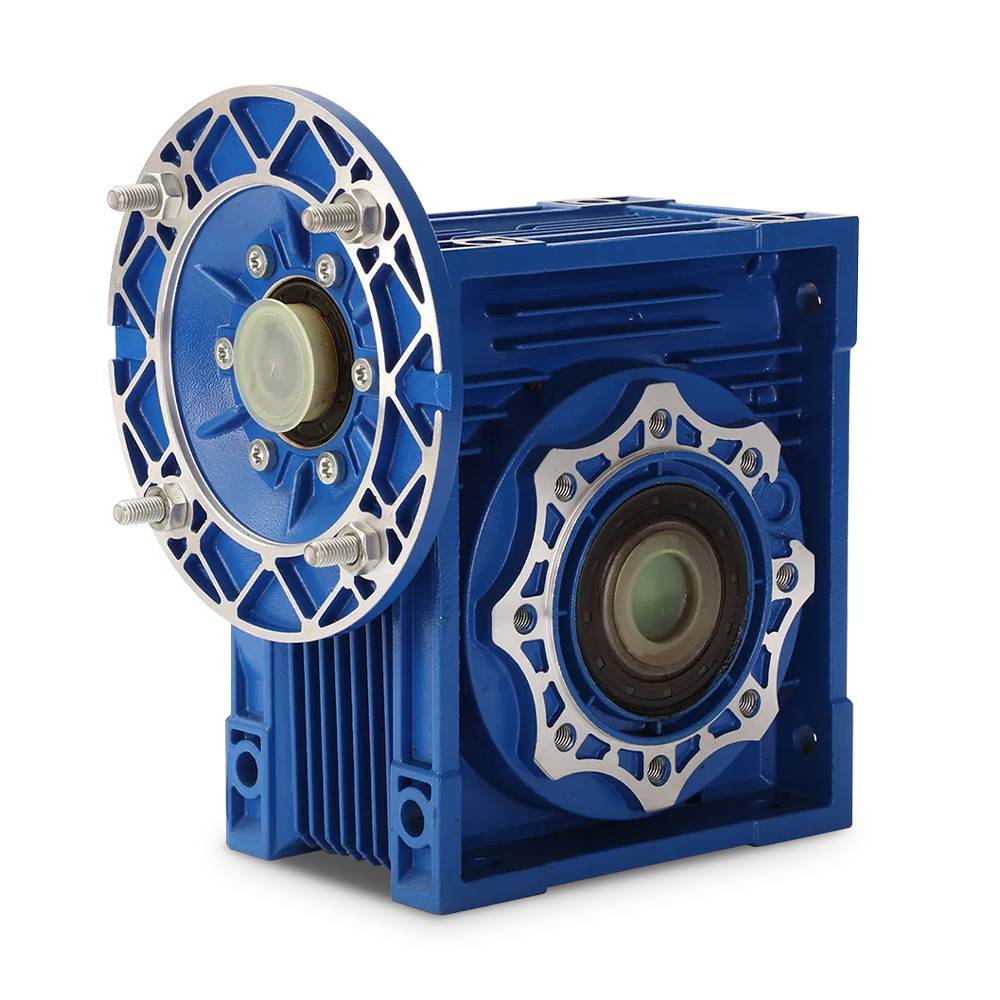
Explore our full range of high-performance gearboxes designed to optimize your crane, hoist, and winch systems.