Leave Your Message
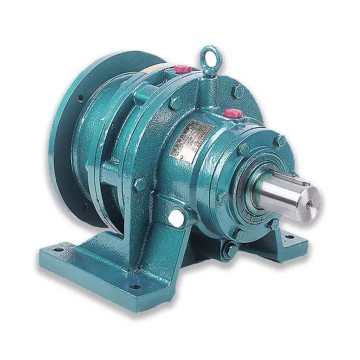
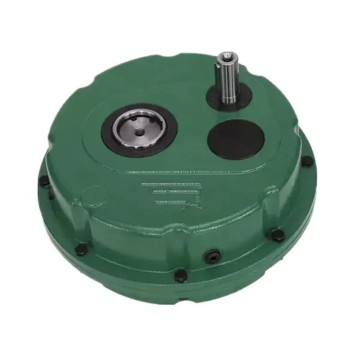
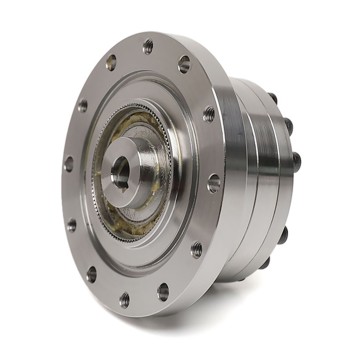
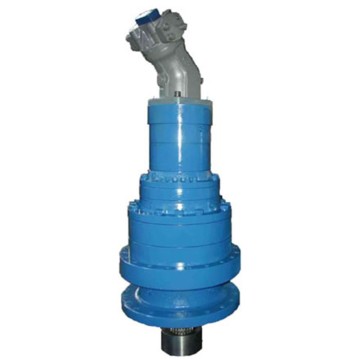
In the modern era of industrial evolution, the boundaries between traditional agricultural engineering and renewable energy systems are rapidly dissolving. The global push toward decarbonization and sustainable agribusiness has driven a unique technological crossover: the adaptation of heavy-duty agricultural gearboxes for use in wind power, solar tracking, and biomass energy conversion systems. Historically engineered to withstand the most brutal and unpredictable field environments, agricultural transmission systems possess the inherent qualities of ruggedness, high torque density, and environmental resilience required by green energy infrastructure.
As farms transform into decentralized energy hubs, integrating wind turbines and agrivoltaic solar installations directly onto arable land has become a standard practice. This integration demands mechanical components that can bridge the operational requirements of both sectors. A gearbox operating a heavy-duty agricultural harvester or a large-scale irrigation pivot shares the exact mechanical DNA needed to manage the variable wind loads of distributed wind turbines or the slow, high-precision positioning of massive solar tracker arrays. By utilizing proven agricultural gearbox manufacturing frameworks, engineering firms can deliver cost-effective, high-reliability gear systems to the renewable energy market.
Currently, the commercial landscape for renewable energy gearboxes is experiencing a structural shift. The demand for distributed wind systems (turbines under 100kW used primarily in rural and agricultural zones) is projected to grow exponentially. These systems rely heavily on robust, low-maintenance yaw and pitch drives. By adapting mass-produced planetary and helical gearboxes—which are standard in heavy agricultural machinery—manufacturers can significantly reduce the capital expenditure of wind installation projects while ensuring a steady supply of field-tested replacement parts.
The operating environment of a modern wind turbine or solar tracking array is remarkably similar to that of agricultural machinery. Both require mechanical gearboxes to function reliably under extreme weather conditions, including blowing dust, torrential rain, high humidity, and severe temperature fluctuations. Our research and development focuses on optimizing gear geometry, metallurgy, and sealing systems to meet these dual-industry demands.
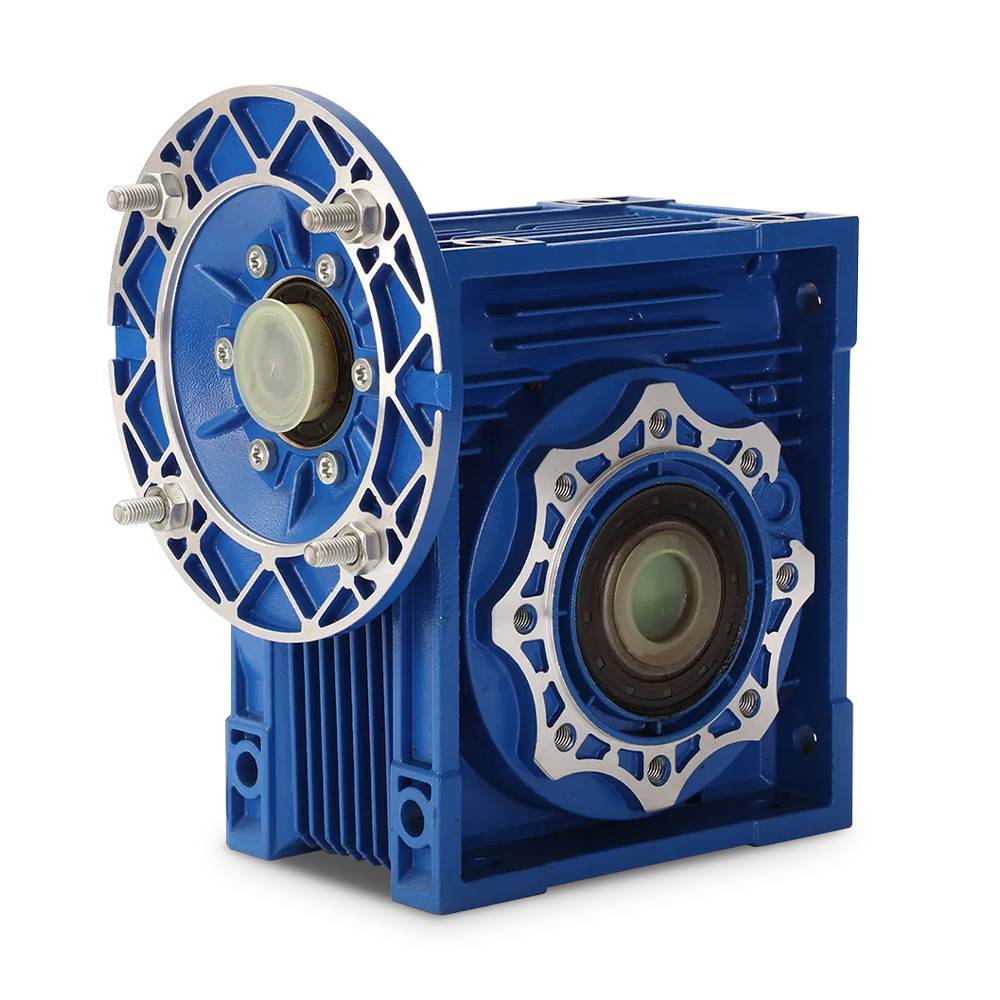
By integrating high-efficiency planetary gear designs with robust helical-herringbone gear profiles, we achieve maximum torque transfer with minimal footprint. The modular housing design, a proprietary innovation of HZPT, allows for easy customization of mounting configurations, making these gearboxes highly versatile for both agricultural implements and renewable energy systems.
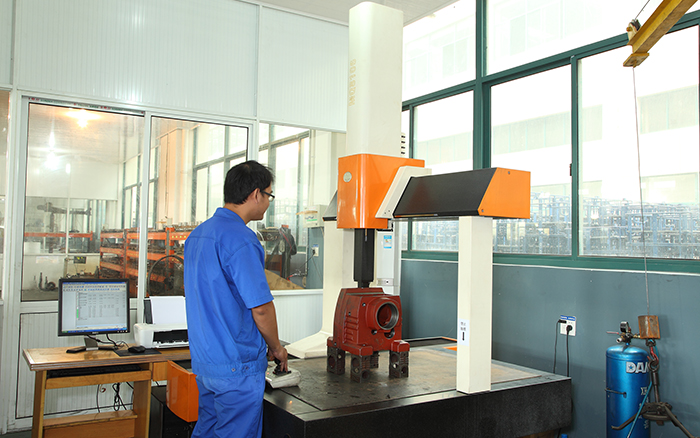
One of the major challenges in both agricultural and renewable energy sectors is maintenance accessibility. Wind turbines and solar farms are frequently situated in remote rural locations. A gearbox failure can result in costly downtime and complex logistics. To mitigate this, our planetary and cycloidal gearboxes utilize advanced triple-lip synthetic rubber seals and specialized labyrinth sealing systems (IP67 and IP69K rated). These designs prevent the ingress of abrasive agricultural dust and water while ensuring that biodegradable, high-performance synthetic lubricants remain sealed within the gear chamber for extended service intervals.
"By utilizing advanced surface treatments such as gas nitriding and case hardening on our gear teeth, we achieve a surface hardness of over HRC 60. This significantly increases wear resistance and load-bearing capacity, allowing our gearboxes to handle sudden wind gusts and heavy shock loads without structural failure."
In wind power generation, maximizing aerodynamic efficiency requires constant adjustment of the turbine blades (pitch control) and the nacelle alignment relative to the wind direction (yaw control). Our pitch drive planetary gearboxes provide the high reduction ratios and massive output torque necessary to rotate the heavy blades smoothly and hold them steady against turbulent forces. The integration of high-precision cycloidal pinwheel reducers ensures zero backlash and exceptionally smooth transmission, preventing micro-vibrations that can fatigue structural components over time.
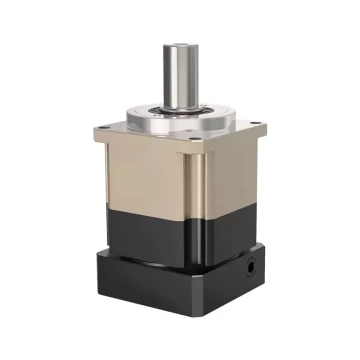
Agrivoltaics—the co-development of land for both solar energy and agriculture—requires solar panels to dynamically tilt to optimize light absorption for both the PV cells and the crops growing underneath. This demands highly precise, high-reduction gear systems. Our CF14 Harmonic Gearbox Reducers and TM042 Series Planetary Gearboxes provide the minute positioning accuracy required for dual-axis tracking systems. Their compact form factor allows them to be integrated directly into the structural support tubes of solar arrays without casting shadows on the crops below.
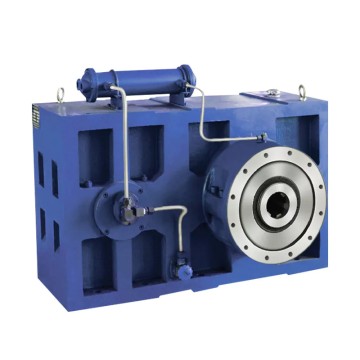
Agricultural waste, crop residues, and biomass are increasingly converted into green energy through pelletizing and anaerobic digestion. These processes require heavy-duty shredders, mixers, and extruders that operate under continuous, high-torque conditions. The ZLYJ Series Extruder Gearbox and the DXG Series Shaft-Mounted Gearbox are engineered specifically to handle the high axial thrust and constant shock loads associated with processing highly viscous biomass materials. Their integrated cooling systems and robust cast-iron housings ensure thermal stability and long-term reliability.
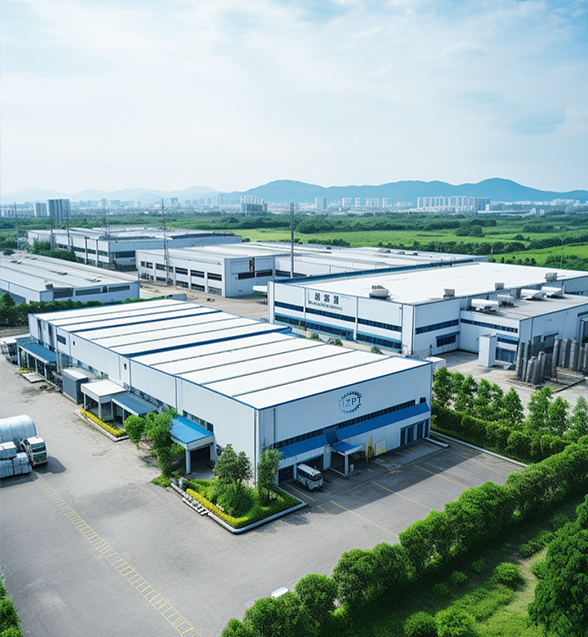
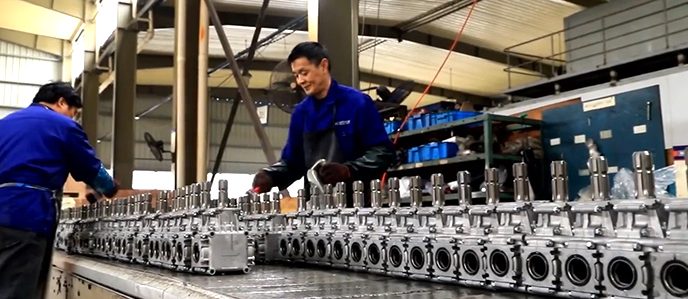
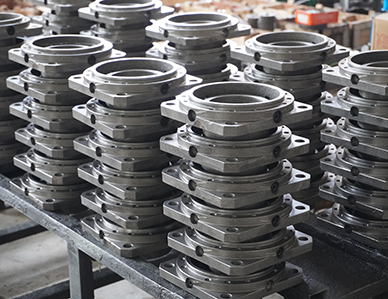
As the global energy transition accelerates, the demands placed on transmission systems will become even more stringent. One of the major trends we anticipate is the integration of smart IoT sensors directly into agricultural and wind power gearboxes. These sensors will monitor vibration, temperature, and oil quality in real-time, sending data to cloud-based AI systems that can predict maintenance needs before a failure occurs. This proactive approach will virtually eliminate unplanned downtime, making remote wind and solar installations far more cost-effective.
Furthermore, the development of biodegradable synthetic lubricants is set to revolutionize environmental safety in rural areas. Traditionally, any gearbox leak could contaminate soil or local water sources. New eco-friendly lubricants, combined with our advanced sealing technologies, ensure that agricultural operations and renewable energy generation can coexist in perfect harmony with the surrounding ecosystem. HZPT is proud to be at the forefront of these green innovations, engineering the transmissions that power a cleaner tomorrow.
Our commitment to quality and innovation is validated by third-party accreditations and intellectual property.
We hold 30+ national patents, including 5 invention patents. These cover key areas like "Modular Housing Design," "High-Efficiency Helical-Herringbone Gear Profiles," "Integrated Cooling Systems," and "Proprietary Surface Treatment Processes."